Blouse Measurement Guide: A Comprehensive Overview (Updated 12/12/2025)
Today‚ December 12th‚ 2025‚ embark on a journey to perfect blouse fit! This guide details essential measurements‚ ensuring comfort and style‚ mirroring life’s special preparations.
Understanding blouse measurements is crucial for achieving a flattering and comfortable fit. Much like preparing for a significant life event‚ such as a wedding – a celebration often dreamt about from a young age – selecting the right blouse requires careful consideration.

This guide serves as a comprehensive resource‚ navigating the nuances of blouse sizing. Whether trends evolve towards intimate gatherings or grand affairs‚ the foundation of a well-fitting garment remains consistent: accurate measurements. We’ll explore why precise measurements are paramount‚ the tools needed‚ and how to interpret standard size charts.
This isn’t simply about numbers; it’s about understanding your body and finding blouses that enhance your silhouette. We’ll delve into key measurements‚ covering bust‚ shoulders‚ back width‚ and sleeve length‚ ensuring a perfect match for various styles and body types.
Why Accurate Blouse Measurements Matter
Just as meticulous planning defines a memorable event like a wedding‚ accurate blouse measurements are fundamental to a polished look and confident feel. Ill-fitting blouses can detract from your style‚ causing discomfort and hindering movement. A blouse that’s too tight restricts breathing and appears unflattering‚ while one that’s too loose lacks definition.
Precise measurements ensure the garment drapes correctly‚ accentuating your best features. This is especially important as fashion trends shift – from elaborate celebrations to more intimate affairs – the need for a well-fitted foundation remains constant. Accurate sizing minimizes returns‚ saves time‚ and ultimately‚ boosts self-assurance.
Investing time in proper measurement translates to a wardrobe filled with blouses you’ll love to wear‚ mirroring the careful preparation undertaken for life’s special occasions. It’s about feeling comfortable and beautiful in your own skin.
Tools You’ll Need for Measuring
Preparing for accurate blouse measurements requires minimal‚ readily available tools. A flexible measuring tape is paramount – preferably one made of fabric‚ as it conforms to body contours better than metal; Ensure the tape measure isn’t stretched or twisted during use.
A full-length mirror is essential for visual confirmation and maintaining proper posture. Measuring with a friend can be incredibly helpful‚ especially for back measurements. Comfortable‚ form-fitting clothing – or undergarments similar to those you’d wear with the blouse – is crucial for accurate results.
A notebook and pen are needed to record measurements systematically. Alternatively‚ utilize a digital note-taking app on your smartphone or tablet. Finally‚ patience and attention to detail are your most valuable assets‚ akin to the careful preparations for a significant life event.
Understanding Standard Blouse Sizes
Standard blouse sizes can be surprisingly inconsistent across brands and regions. Unlike some garments‚ a “size 8” isn’t universally the same. Size charts typically correlate to bust and waist measurements‚ but shoulder width and blouse length are often overlooked.
Common size designations include XS‚ S‚ M‚ L‚ XL‚ and numerical sizes (6‚ 8‚ 10‚ etc.). However‚ vanity sizing – where brands label garments smaller than their actual measurements – is prevalent. Always consult the specific brand’s size chart before ordering.
Understanding that these are guidelines‚ not rigid rules‚ is key. A blouse designed for a specific body type might require adjustments. Just as wedding rituals evolve‚ sizing adapts to trends‚ emphasizing the importance of individual measurements.
Key Measurements for a Blouse
Accurate blouse fit hinges on several crucial measurements. Bust measurement is paramount‚ determining the fullness across the chest. Shoulder width impacts how the blouse sits and prevents slippage. Back width ensures a comfortable‚ non-constricting fit.
Sleeve length‚ from shoulder to wrist‚ dictates comfort and style. Armhole measurement affects range of motion and prevents binding. Finally‚ blouse length (front and back) defines the overall silhouette and proportion.
These measurements‚ much like the detailed preparations for a wedding‚ are fundamental. Ignoring even one can lead to an ill-fitting garment. Precise measurements are the foundation for a flattering and comfortable blouse‚ mirroring the care taken in life’s celebrations.

Bust Measurement
The bust measurement is arguably the most critical for blouse fit‚ influencing the overall silhouette. Use a flexible measuring tape‚ ensuring it’s level around your back and across the fullest part of your bust. Don’t pull the tape too tightly; it should be snug but comfortable.
Measure while wearing a lightly padded bra‚ or the bra you intend to wear with the blouse. Breathe normally during the measurement – holding your breath can alter the results. Record the measurement in inches or centimeters‚ noting whether it’s a full or partial number.
Like meticulous wedding preparations‚ accuracy is key. This measurement dictates the blouse’s fullness and shape‚ ensuring a flattering and comfortable fit‚ mirroring the importance of detail in life’s celebrations.
Shoulder Measurement
Accurate shoulder measurement is vital for a blouse that sits correctly and feels comfortable. Locate the bony prominence at the edge of your shoulder – this is your shoulder point. Measure from one shoulder point to the other‚ across your back.
Keep the measuring tape straight and follow the natural curve of your shoulders. Avoid hunching or pulling your shoulders back‚ as this will distort the measurement. It’s helpful to have someone assist you to ensure accuracy‚ similar to collaborating on wedding plans.
This measurement impacts the blouse’s neckline and sleeve placement. A correct shoulder measurement prevents straps from slipping or sleeves from feeling constricted‚ contributing to a polished and confident look.
Back Width Measurement
Determining back width ensures the blouse fits smoothly across your upper back‚ avoiding pulling or gaping. This measurement is taken horizontally‚ across your back‚ just below your shoulder blades.
Stand naturally and have a helper measure from the outermost point on one side of your back to the outermost point on the other. Ensure the measuring tape is level and doesn’t dip down towards your waist. Like preparing for a significant event‚ precision is key.
Back width is particularly important for fitted blouses or those with detailed back designs. An accurate measurement contributes to a flattering silhouette and comfortable wear‚ enhancing overall confidence and style.
Sleeve Length Measurement
Accurate sleeve length is crucial for both comfort and aesthetic appeal. Begin by bending your elbow slightly – don’t fully extend your arm. Measure from the shoulder point (where the sleeve seam meets the shoulder) down to your wrist bone.
Consider the style of sleeve you desire. For a full-length sleeve‚ measure to the wrist. For a three-quarter sleeve‚ stop a few inches above the wrist. Like carefully planning a special occasion‚ details matter.
Different blouse styles require different sleeve lengths. A precise measurement prevents sleeves from being too short or hindering movement. This ensures a polished and comfortable fit‚ enhancing the overall look of the blouse.
Armhole Measurement
The armhole measurement dictates the range of motion and comfort within the blouse. To obtain an accurate reading‚ raise your arms slightly and measure across the highest point of your shoulder blade and under your armpit.
Ensure the measuring tape is snug but not tight‚ allowing for comfortable movement. A too-small armhole restricts movement‚ while a too-large one can cause the blouse to gape or slip. Like preparing for a significant event‚ a good fit is essential.
Consider the blouse style; fitted blouses require a more precise armhole measurement than looser styles. This measurement is vital for ensuring the blouse sits correctly and allows for a full‚ natural range of arm movement.
Blouse Length Measurement (Front & Back)
Determining blouse length‚ both front and back‚ is crucial for achieving a flattering silhouette. Measure from the highest point of your shoulder (where the neckline meets the shoulder) down to your desired hemline.
For the front length‚ consider where you want the blouse to fall – at the waist‚ over the hips‚ or longer. The back length is often slightly longer than the front to accommodate a comfortable and balanced fit‚ much like careful planning for a special occasion.
Different blouse styles necessitate varying lengths. A cropped blouse will have a shorter length‚ while a tunic-style blouse will be considerably longer. Accurate measurement ensures the blouse complements your body shape and desired aesthetic;
Measurements for Different Blouse Styles
Blouse styles significantly impact required measurements. Fitted blouses demand precise bust‚ waist‚ and hip measurements for a tailored look‚ mirroring the detailed preparations for a significant event. Loose-fit or flowy blouses offer more flexibility‚ prioritizing shoulder and overall length for comfortable drape.
Blouses with sleeves – whether cap‚ elbow-length‚ or long – necessitate accurate sleeve length and armhole measurements. Backless blouse styles require careful consideration of shoulder width and back width to ensure secure and flattering coverage.
Understanding these nuances is vital. A detailed approach‚ similar to planning every aspect of a celebration‚ guarantees a perfect fit and stylish outcome for each unique blouse design.
Measurements for Fitted Blouses
Achieving a flawless fit with fitted blouses requires meticulous measurements. Bust measurement is paramount‚ taken at the fullest part of the chest‚ ensuring comfortable yet defined shaping. Waist measurement‚ typically the narrowest point‚ dictates the blouse’s silhouette. Hip measurement is crucial if the blouse extends over the hips.
Shoulder width must be precise‚ influencing sleeve placement and overall structure. Back width impacts how the blouse sits across the back‚ avoiding pulling or gaping. Accurate armhole and blouse length measurements complete the picture.
Like carefully planning every detail of a special occasion‚ these measurements guarantee a tailored‚ elegant look‚ mirroring the precision of a well-executed event.
Measurements for Loose-Fit/Flowy Blouses
For relaxed silhouettes‚ measurements shift focus. While bust measurement remains important for overall proportion‚ a snug fit isn’t the goal. Prioritize shoulder width to prevent slippage‚ and armhole circumference for comfortable movement. Blouse length dictates the drape and overall aesthetic – consider desired coverage.
Back width is less critical than in fitted styles‚ but still ensures a balanced look. Sleeve length impacts the blouse’s flow and should complement the overall design. Unlike structured garments‚ allow for ease – a slightly larger measurement is preferable.
Think of these blouses as representing the freedom and joy of a celebration‚ where comfort and graceful movement are key‚ much like a relaxed gathering.
Measurements for Blouses with Sleeves (Various Types)
Sleeve variations demand specific attention. Beyond standard sleeve length‚ consider bicep circumference for fitted sleeves‚ ensuring comfortable movement. For bell or bishop sleeves‚ measure the fullest part of the arm and desired flare width.
Armhole measurement is crucial; a tighter armhole suits fitted sleeves‚ while a looser one accommodates flowing styles. Shoulder position impacts sleeve hang – accurately measuring shoulder width is vital. Pay attention to sleeve attachment point height for a natural look.
Remember‚ sleeves contribute significantly to a blouse’s overall aesthetic‚ much like details enhance a special occasion. Precise measurements ensure a harmonious and flattering fit‚ reflecting joyful preparation.

Measurements for Backless Blouse Styles
Backless blouses require unique considerations. Beyond standard bust and shoulder measurements‚ focus on back width and neckline depth. Measure from the base of the neck to the desired waistline for appropriate coverage and support.
Back width is critical for a secure and comfortable fit‚ preventing slippage. Consider adding a measurement for the fullest part of the upper back to ensure a smooth silhouette. For tied or adjustable styles‚ account for strap length and placement.
Like preparing for a significant event‚ attention to detail is paramount; Accurate measurements guarantee a flattering and confident look‚ mirroring the excitement of a special occasion.
Taking Measurements: Step-by-Step Guide
Accurate measurements are the foundation of a well-fitting blouse. Begin by wearing a properly fitted‚ non-padded bra. Stand naturally with arms relaxed at your sides. Have a friend assist for the most precise results.
Use a flexible measuring tape‚ ensuring it’s snug but not tight. Measurements should be taken directly on the body‚ not over clothing. Double-check each measurement to minimize errors. Remember‚ like meticulous wedding preparations‚ precision is key.
Record all measurements in a consistent unit (inches or centimeters). This detailed approach‚ mirroring the care taken for life’s special moments‚ will ensure a perfect fit every time.
How to Measure Bust Accurately
To measure your bust‚ wrap the measuring tape around the fullest part of your chest‚ keeping the tape level across your back. Ensure the tape is snug but not constricting – it shouldn’t compress your breasts. Breathe normally during measurement.
Record this measurement in inches or centimeters. For a more precise fit‚ especially for fitted blouses‚ also measure your underbust – directly under your breasts. This difference helps determine cup size.
Like preparing for a significant event‚ accuracy is paramount. Repeat the measurement a couple of times to confirm consistency. A well-measured bust ensures a flattering and comfortable blouse fit.
Correctly Measuring Shoulder Width
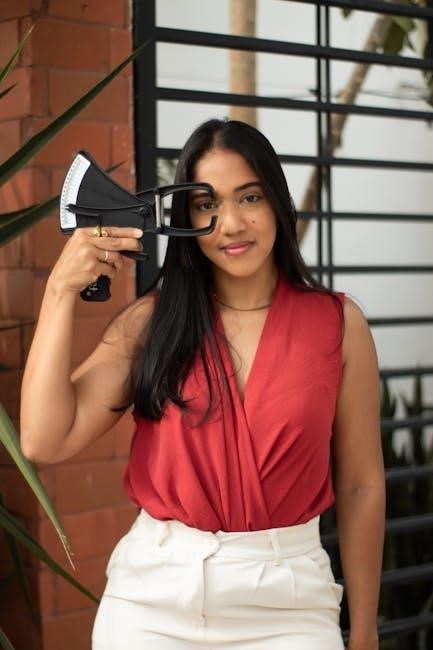
Measuring shoulder width requires identifying the prominent bony points at the top of your shoulders – where your shoulder seam would naturally sit. Stand straight and relax your arms at your sides. Use a measuring tape to measure the straight distance between these two points across your back.
Ensure the tape is level and follows the natural curve of your shoulders. Avoid pulling the tape too tightly‚ as this can distort the measurement. Like meticulous wedding preparations‚ precision is key.
Record the measurement in inches or centimeters. This measurement is crucial for ensuring the blouse sits correctly on your shoulders and doesn’t feel restrictive or too loose.
Measuring Back Width for a Proper Fit
Determining back width is vital for a blouse that drapes correctly and allows for comfortable movement. Stand naturally with your arms relaxed at your sides. Have someone assist you for the most accurate reading‚ or use a mirror.
Position the measuring tape horizontally across your back‚ at the widest point – typically between your shoulder blades. Ensure the tape is level and doesn’t dip down towards your spine. Just as every wedding detail matters‚ so does this measurement.
Record the measurement in inches or centimeters. This measurement‚ combined with shoulder width‚ dictates how the blouse will fit across your upper back and influences overall comfort and style.
Accurate Armhole and Sleeve Length Measurements
Precise armhole and sleeve length measurements are crucial for blouse comfort and range of motion. Begin with the armhole: measure around the fullest part of your upper arm‚ keeping the tape measure parallel to the floor. A snug‚ but not tight‚ fit is ideal.
For sleeve length‚ start at the shoulder point (where the sleeve joins the body). Extend the tape measure down the outside of your arm‚ to your desired sleeve ending point – wrist‚ elbow‚ or longer.
Consider your preferred style: a longer sleeve for warmth‚ or a shorter one for a more relaxed look. Just like wedding rituals evolve‚ sleeve lengths adapt to personal preference. Record both measurements carefully for a perfect fit!
Dealing with Measurement Variations
Measurement inconsistencies are common‚ even with careful technique! Factors like posture‚ tape measure tension‚ and even time of day can cause slight variations. Don’t panic! It’s wise to measure twice‚ or even three times‚ and average the results.
Remember‚ size charts are guidelines‚ not absolute rules. Different brands interpret sizes differently‚ much like wedding traditions vary. If you fall between sizes‚ it’s generally better to size up and have the blouse tailored for a perfect fit.
Consider the blouse’s style: a looser fit can accommodate minor variations‚ while a fitted blouse requires greater precision. Embrace adjustments – they’re key to a flattering silhouette!
Converting Measurements for Different Size Charts
Navigating international sizing can feel like planning a complex wedding! Size charts vary significantly between countries (US‚ UK‚ Europe‚ Asia) and even between brands within the same region. A US size 8 isn’t necessarily the same as a UK size 12.
Utilize online conversion tools as a starting point‚ but always cross-reference with the specific brand’s size chart. Pay close attention to whether the chart uses inches or centimeters. Don’t assume consistency!
Focus on your actual measurements‚ not the size label. Compare your bust‚ shoulder‚ and other key measurements to the chart‚ ignoring the traditional size number. This ensures a better fit‚ mirroring the personalized details of a special event.
Resources for Blouse Size Charts (International Standards)
Finding reliable size charts is crucial‚ much like meticulously planning wedding rituals. Here are valuable resources for international standards:
- ASOS Size Guide: https://www.asos.com/us/size-guide/ – Offers comprehensive charts for various regions.
- Lands’ End Size Guide: https://www.landsend.com/helpdesk/size-charts/ – Detailed charts with measurement instructions.
- International Clothing Size Conversion: https://www.worldwide-size-conversion.com/clothing-sizes – A broad conversion table.
Remember these are general guidelines. Always prioritize the brand’s specific chart. Consider using printable measurement tapes and seeking assistance for accurate readings‚ just as you’d seek help with event preparations!