Guiding questions foster dialogue, ensuring deep comprehension between individuals, like a teacher and student, or during intense situations like a blizzard․
Effective questioning, as seen in narratives involving bounty hunters and wartime veterans, unlocks crucial insights and drives meaningful conversations forward․
These questions, essential for reflection, are vital in contexts ranging from westerns to therapeutic settings, encouraging elaboration and understanding․
Unlike direct inquiries, guiding questions subtly steer the conversation, mirroring techniques used in detective work and complex interpersonal dynamics․
What are Guiding Questions?
Guiding questions are thoughtfully crafted inquiries designed not to elicit simple “yes” or “no” answers, but to stimulate deeper thought and exploration․ They function as conversational prompts, gently steering individuals towards self-discovery and a more thorough understanding of a topic․
Consider a scenario involving a group stranded during a blizzard – a guiding question wouldn’t be “Are you scared?” but rather, “What are your immediate concerns given the current situation?” This encourages detailed responses․
These questions, vital in contexts like therapy or investigations involving bounty hunters, prioritize open dialogue and active listening․ They are instrumental in uncovering motivations and fostering a fundamental sense of comprehension, mirroring the tension found in complex narratives․
The Importance of Effective Questioning
Effective questioning is paramount for unlocking understanding and fostering meaningful connections, much like navigating the tense dynamics between characters in a blizzard-stricken western․ Poorly phrased questions can stifle conversation, while well-crafted inquiries ignite insightful dialogue․
Consider a detective investigating a crime – asking “Did you see anything?” is less effective than “Can you describe the events as you remember them?” The latter encourages detailed recall․
In therapeutic settings, or even amongst a group of bounty hunters, skillful questioning builds trust and reveals hidden motivations․ It’s about active listening and prompting elaboration, leading to a fundamental sense of comprehension and resolution․
Guiding Questions vs․ Leading Questions
Guiding questions gently steer a conversation, encouraging exploration, unlike leading questions which subtly suggest a desired answer; Imagine a tense standoff – a guiding question might be, “What are your concerns about this situation?”
A leading question, however, would be, “You agree this is the right course of action, don’t you?” This limits response options and introduces bias․
Effective communication, as demonstrated in complex narratives, relies on open-ended inquiries․ Guiding questions promote reflection and allow individuals to articulate their thoughts freely, fostering genuine understanding and trust, crucial even amongst bounty hunters․

Types of Guiding Questions
Guiding questions encompass open-ended prompts, probing inquiries, hypothetical scenarios, and closed-ended choices, each serving distinct purposes in eliciting thoughtful responses․
These varied approaches, vital in diverse contexts, facilitate deeper understanding and encourage comprehensive exploration of complex topics․
Open-Ended Guiding Questions
Open-ended guiding questions are designed to encourage expansive, detailed responses, moving beyond simple “yes” or “no” answers․ They invite exploration and allow individuals to share their thoughts, feelings, and perspectives freely․
Examples include: “What are your initial thoughts on this situation?” or “How did that experience make you feel?” These prompts, crucial in fostering dialogue, are particularly effective when seeking nuanced understanding, mirroring the complex interactions seen in narratives involving diverse characters․
They are essential for building rapport and encouraging self-reflection, allowing for a deeper connection and a more comprehensive grasp of the subject matter․ Unlike closed questions, they don’t limit the scope of the response․
Closed-Ended Guiding Questions
Closed-ended guiding questions elicit brief, specific responses, typically “yes,” “no,” or a factual piece of information․ While they limit expansive discussion, they are valuable for confirming details or quickly assessing understanding․
Examples include: “Did you complete the task?” or “Is this your understanding of the situation?” These questions, useful in scenarios demanding concise answers, can be strategically employed to establish a baseline of knowledge, similar to verifying details in a tense standoff․
They are efficient for gathering concrete data but should be balanced with open-ended questions to encourage deeper engagement and prevent stifling the conversation’s natural flow․
Probing Guiding Questions
Probing guiding questions delve deeper into initial responses, seeking clarification, elaboration, and underlying reasoning․ They move beyond surface-level answers, encouraging individuals to explore their thoughts and feelings more thoroughly, much like a detective uncovering hidden motives․
Examples include: “Can you tell me more about that?” or “What led you to that conclusion?” These questions are crucial for uncovering nuances and challenging assumptions, mirroring the tense interrogations within a blizzard-bound cabin․
Effective probing requires active listening and a genuine curiosity, fostering a safe space for honest and detailed responses․
Hypothetical Guiding Questions
Hypothetical guiding questions present “what if” scenarios, stimulating imaginative thinking and exploring potential outcomes․ They encourage individuals to consider alternative perspectives and anticipate consequences, much like strategizing during a tense standoff in a Wyoming blizzard․
Examples include: “What if you had acted differently?” or “How might things unfold if…?” These questions are valuable for problem-solving, decision-making, and understanding complex situations․
They promote critical thinking by prompting individuals to move beyond immediate realities and envision possibilities, mirroring the unpredictable nature of a Tarantino narrative․

Guiding Questions in Different Contexts
Guiding questions adapt to various settings – education, therapy, interviews, and research – mirroring diverse scenarios like bounty hunter interrogations or wartime reflections․
Their application shifts, yet the core principle remains: fostering understanding and encouraging thoughtful responses within each unique environment․
Context dictates the question’s nuance, ensuring relevance and maximizing its impact on the conversation’s direction․
Guiding Questions in Education
Guiding questions in education move beyond simple recall, fostering critical thinking and deeper understanding of subject matter․ Instead of asking “What happened in 1863?”, educators might pose, “How did technological advancements influence the Civil War’s outcome?”
This encourages students to analyze, synthesize, and evaluate information, mirroring the complex motivations of characters in narratives like The Hateful Eight․ Questions like “What if the Union had lacked resources?” promote hypothetical thinking․
Effective educational questioning also involves probing: “Can you elaborate on that point?” or “What evidence supports your claim?” These techniques, similar to detective work, build analytical skills and encourage students to articulate their reasoning, fostering a fundamental sense of comprehension․
Guiding Questions in Therapy
Guiding questions in therapy facilitate self-exploration and emotional processing, creating a safe space for clients to unpack complex feelings․ Rather than directly asking “Are you sad?”, a therapist might inquire, “What emotions arose during that experience?”
This subtle approach, akin to unraveling the tensions within a narrative like The Hateful Eight, encourages clients to identify and articulate their internal states․ Probing questions like “Can you tell me more about that feeling?” deepen self-awareness․
Hypothetical questions – “What would it look like to address this fear?” – empower clients to envision positive change, fostering resilience and promoting emotional growth through careful reflection․
Guiding Questions in Interviews
Guiding questions in interviews move beyond simple fact-finding, aiming to understand a candidate’s thought process and problem-solving skills․ Instead of “Do you work well under pressure?”, try “Describe a time you faced a significant challenge at work and how you navigated it․”
This approach, mirroring the unraveling of motivations in a tense situation like a blizzard standoff, reveals more than a yes/no answer․ Probing questions like “What was your role in that situation?” encourage detailed responses․
Hypothetical scenarios – “How would you handle a conflict with a colleague?” – assess judgment and interpersonal skills, offering valuable insights into potential performance․
Guiding Questions in Research
Guiding questions in research shape investigations, ensuring focus and depth, much like a detective piecing together clues during a blizzard․ Instead of “Did the Civil War impact weapon technology?”, ask “How did the Civil War drive innovation in weapon technology?”
Open-ended questions – “What were the key non-military technologies influencing the war?” – encourage expansive answers, revealing unexpected connections․ Probing questions, like “Can you elaborate on that influence?” are crucial․
Hypothetical inquiries – “How might the war have unfolded with different technological advancements?” – stimulate critical thinking and explore alternative scenarios, mirroring complex motivations․

Crafting Effective Guiding Questions
Effective questions, like those used to unravel motives in a tense standoff, require active listening and thoughtful sequencing for optimal conversation flow․
Avoid ambiguity; clear wording, mirroring the precision needed in a western, ensures focused responses and deeper understanding․
Bloom’s Taxonomy aids in creating questions that challenge thinking․
Using Bloom’s Taxonomy in Question Creation
Bloom’s Taxonomy provides a hierarchical framework for crafting guiding questions that progressively challenge cognitive skills․ Starting with remembering – “What happened during the blizzard?” – establishes a baseline;
Moving to understanding – “Explain Daisy Domergue’s situation” – tests comprehension․ Applying asks, “How might John Ruth use the environment to his advantage?”
Analyzing prompts, “Compare the motivations of the characters․” Evaluating – “Was Major Marquis Warren’s plan effective?” – demands critical judgment․
Finally, creating – “Imagine an alternate ending to the standoff” – fosters innovative thinking․ Utilizing this taxonomy ensures questions aren’t simply recall-based, but encourage deeper engagement and nuanced responses, mirroring the complex narratives found in films like The Hateful Eight․
Avoiding Ambiguity in Question Wording
Ambiguous questions yield unclear responses, hindering productive dialogue․ Instead of asking, “What did you think of the situation?” – too broad – specify: “How did Major Warren’s arrival shift the power dynamic?”
Avoid jargon; instead of “Assess the characters’ agency,” ask, “How much control did each character have over their fate?” Eliminate double-barreled questions like, “Was the film suspenseful and well-acted?” Separate into two inquiries․
Ensure pronouns have clear references․ Instead of “They seemed untrustworthy,” clarify: “Did John Ruth and Daisy Domergue appear to be concealing information?” Precise wording, mirroring the careful plotting of The Hateful Eight, elicits focused, insightful answers․
The Role of Active Listening
Active listening is paramount when employing guiding questions․ It’s not merely hearing responses, but fully comprehending the speaker’s perspective, mirroring the intense scrutiny within The Hateful Eight․
After posing a question – like, “What motivated Daisy Domergue’s actions?” – allow silence for thoughtful replies․ Resist interrupting; let the narrative unfold organically․ Paraphrase responses to confirm understanding: “So, you believe her motivations were primarily self-preservation?”
Non-verbal cues – nodding, maintaining eye contact – demonstrate engagement․ Active listening builds trust, encouraging deeper exploration and revealing hidden layers, much like uncovering secrets during a blizzard․
Sequencing Guiding Questions for Optimal Flow
Strategic sequencing of guiding questions is crucial for a natural, productive conversation, akin to the unfolding tension in The Hateful Eight․ Begin with broad, open-ended inquiries – “What are your initial thoughts on this situation?” – to establish a baseline․
Follow with more focused, probing questions: “Can you elaborate on that specific detail?” Gradually increase complexity, building upon previous answers․ Avoid abrupt shifts in topic; maintain a logical progression․
Consider hypothetical scenarios to encourage deeper thinking․ A smooth flow fosters trust and encourages the speaker to fully explore their thoughts, revealing nuanced perspectives․
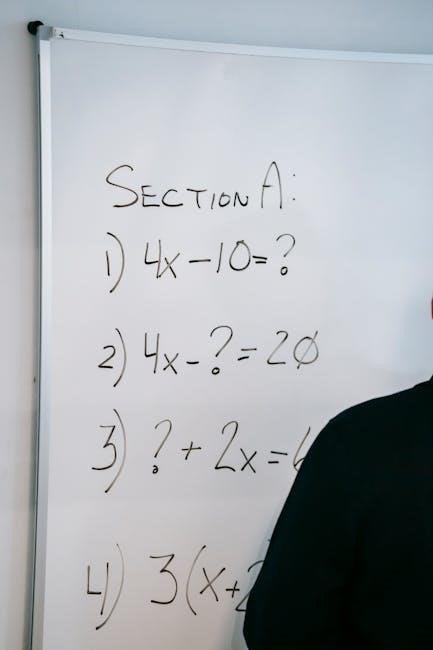
Examples of Guiding Questions by Category
Categorized questions – for problem-solving, critical thinking, self-reflection, or emotional exploration – mirror the diverse motivations of characters in a tense standoff․
These examples, like those used by bounty hunters, help navigate complex scenarios and reveal hidden agendas through thoughtful inquiry and dialogue․
Effective categorization ensures targeted questioning, fostering deeper understanding and insightful responses in any given context․
Guiding Questions for Problem Solving
Problem-solving questions, much like a detective unraveling a mystery during a blizzard, aim to dissect challenges systematically․ Consider: “What are the core components of this issue?” or “What steps have already been attempted, and what were the results?”
Further probing might include: “If resources were unlimited, how would you approach this?” or “What potential obstacles might hinder a solution?” These questions, mirroring the strategic thinking of bounty hunters, encourage a comprehensive analysis․

Crucially, ask: “What alternative perspectives haven’t been considered?” and “How can we break down this complex problem into smaller, manageable parts?” These inquiries facilitate a collaborative and effective path toward resolution․
Finally, “What lessons can be learned from this experience to prevent future occurrences?” promotes continuous improvement․
Guiding Questions for Critical Thinking
Critical thinking questions, akin to discerning truth amidst conflicting narratives in a tense standoff, challenge assumptions․ Begin with: “What evidence supports this claim, and is it reliable?” or “What are the potential biases influencing this perspective?”
Probe further: “What alternative interpretations are possible?” and “What are the logical consequences of accepting this argument?” These questions, mirroring a detective’s scrutiny, demand rigorous evaluation․
Consider: “Are there any inconsistencies or contradictions within this reasoning?” and “How does this information relate to broader contexts?” These inquiries foster nuanced understanding․
Finally, ask: “What are the implications of this conclusion, and what further questions arise?” promoting intellectual curiosity․
Guiding Questions for Self-Reflection
Self-reflection questions, much like a character confronting their motivations during a blizzard, encourage introspection․ Start with: “What were my initial reactions to this situation, and why?” or “What core values influenced my decision-making process?”
Delve deeper: “What did I learn about myself through this experience?” and “What patterns of behavior do I notice in similar circumstances?” These questions promote self-awareness․
Consider: “What could I have done differently, and what would the outcomes have been?” and “How does this align with my long-term goals?”
Finally, ask: “What steps can I take to grow from this experience?” fostering personal development․
Guiding Questions for Exploring Emotions
Exploring emotions, akin to unraveling tension in a confined space, requires sensitive questioning․ Begin with: “What physical sensations are you experiencing right now?” or “Can you describe the emotion in detail, without judgment?”
Probe further: “What thoughts are associated with this feeling?” and “What memories or experiences does this emotion bring to mind?” These questions encourage emotional awareness․
Consider: “What needs are not being met that might be contributing to this emotion?” and “How does this emotion impact your behavior?”
Finally, ask: “What can you do to acknowledge and process this emotion in a healthy way?”

Advanced Techniques with Guiding Questions
Circular questioning and the Socratic method refine inquiry, prompting reflection and deeper elaboration, much like unraveling a complex narrative․
Reframing with questions shifts perspectives, encouraging nuanced understanding and revealing hidden motivations within intense interactions․
Circular Questioning Techniques
Circular questioning involves posing questions that explore the relationships between individuals and their perspectives, fostering a holistic understanding of a situation․ This technique moves beyond linear questioning, encouraging participants to consider how others perceive the issue at hand․
For example, instead of asking “What did you think of Daisy’s actions?”, a circular question might be, “What do you imagine John Ruth thought about Daisy’s reaction to the situation?” This prompts reflection on another’s viewpoint․
Genuine integration of perspectives is essential; questions should allow space for thoughtful consideration and avoid leading responses․ It’s about understanding the interconnectedness of experiences, mirroring the complex dynamics within a confined space like a Wyoming cabin during a blizzard, where everyone’s actions impact others․
This method is particularly useful when navigating tense situations or uncovering hidden agendas․
The Socratic Method and Guiding Questions
The Socratic Method, a cornerstone of critical thinking, relies heavily on skillful questioning to stimulate intellectual exploration and uncover underlying assumptions․ It’s not about providing answers, but guiding individuals to arrive at their own conclusions through a series of probing questions․
Imagine questioning a character like Major Marquis Warren: instead of asking “Do you trust anyone?”, a Socratic approach might be, “What experiences have shaped your current level of trust?”
This encourages self-reflection and a deeper examination of beliefs․ Like a detective unraveling a mystery, the method uses carefully crafted questions to expose inconsistencies and promote clarity, mirroring the tension-filled interrogations within a blizzard-bound cabin․
It’s a powerful tool for fostering genuine understanding․
Using Guiding Questions to Encourage Elaboration
Guiding questions designed to encourage elaboration move beyond simple “yes” or “no” responses, prompting individuals to expand on their thoughts and feelings․ Think of Daisy Domergue – instead of asking “Are you afraid?”, try “What specifically makes you uneasy about this situation?”
This invites a detailed response, revealing motivations and anxieties; Phrases like “Tell me more about that,” or “Can you give me an example?” are invaluable tools․
Such techniques, akin to a detective meticulously gathering evidence, unlock richer insights and foster a more comprehensive understanding of the subject’s perspective, even amidst a tense standoff․
It’s about drawing out the narrative․
Reframing with Guiding Questions
Guiding questions can subtly reframe a situation, shifting perspective without imposing a new viewpoint․ Consider the tension amongst the characters trapped in the Wyoming blizzard – instead of “Isn’t everyone acting suspiciously?”, ask “What alternative explanations could there be for their behavior?”
This encourages exploration of different interpretations, fostering empathy and reducing immediate judgment․ Reframing isn’t about changing facts, but altering how they’re perceived․
Like a skilled negotiator, a well-placed question can transform a hostile encounter into a collaborative search for understanding, mirroring the complex dynamics of a Tarantino film․
It’s about opening possibilities․

Common Mistakes to Avoid
Avoid double-barreled questions, jargon, and interruptions; these hinder genuine dialogue, much like distrust amongst the characters in a tense standoff․
Always follow up on responses, ensuring complete understanding and encouraging further exploration of thoughts and feelings․
Asking Double-Barreled Questions
Double-barreled questions, a common pitfall, combine multiple inquiries into a single statement, creating confusion and yielding unclear responses․ Imagine attempting to discern individual motivations within a group of bounty hunters – a complex task!
For example, asking “What did you enjoy and dislike about the film?” forces a combined answer, obscuring specific preferences․ Instead, separate into “What did you enjoy?” and “What did you dislike?”
This approach, vital for effective communication, mirrors the need for clarity when navigating tense situations, like those found in a Wyoming blizzard․ It ensures each aspect receives focused attention, fostering a more productive and insightful exchange․
Breaking down complex questions yields richer, more actionable information․
Using Jargon or Technical Terms
Employing jargon or overly technical language hinders understanding, particularly when engaging with diverse individuals, much like a group stranded during a Wyoming snowstorm․ Clarity is paramount, especially when exploring complex motivations․
Avoid specialized terms unless you’re certain your audience comprehends them․ A question like, “How did the mise-en-scène contribute to the narrative?” might confuse someone unfamiliar with film terminology․
Instead, opt for accessible phrasing: “How did the visual elements of the scene impact the story?” This ensures everyone can participate meaningfully, mirroring the need for clear communication between bounty hunters․
Simplicity fosters engagement and accurate responses․
Interrupting the Response
Interrupting a response stifles thoughtful consideration and can derail a productive conversation, much like disrupting a tense standoff in a remote cabin․ Active listening is crucial; allow the speaker to fully articulate their thoughts․
Prematurely jumping in with another question prevents complete exploration of the initial response, hindering deeper understanding․ Patience is key, even when faced with lengthy explanations․
Resist the urge to finish sentences or anticipate answers․ Let the individual express themselves fully, mirroring the careful unfolding of a narrative during a blizzard․
Respectful silence demonstrates genuine interest and encourages elaboration․
Failing to Follow Up on Answers
Not following up on answers creates a superficial exchange, akin to overlooking crucial clues in a complex investigation․ A genuine inquiry demands deeper exploration of responses․
Probing questions, building upon initial answers, reveal nuanced perspectives and uncover hidden layers of understanding, much like unraveling a character’s motivations․
Simply accepting a surface-level response misses opportunities for richer insights and can leave important aspects unexplored, hindering true comprehension․
Effective questioning involves a dynamic back-and-forth, mirroring a detailed interrogation or a thoughtful discussion․

Resources for Further Learning
Explore books on questioning, online workshops, and research papers to refine your technique․ Discover tools aiding question generation for impactful dialogues․
Further study enhances skills, mirroring the detailed preparation needed for complex scenarios like those found in western narratives․
Books on Effective Questioning
Delving into literature dedicated to questioning techniques provides a robust foundation for mastering the art of guiding conversations․ Several publications offer practical strategies and theoretical frameworks applicable across diverse contexts, from educational settings to therapeutic practices and even high-stakes scenarios․
Consider exploring resources that emphasize active listening and the nuances of phrasing questions to elicit thoughtful responses․ Books focusing on the Socratic method, for instance, demonstrate how carefully crafted inquiries can stimulate critical thinking and self-reflection․ These texts often provide real-world examples, mirroring the complex interactions seen in narratives involving intricate plots and character motivations․
Furthermore, look for books that address common pitfalls, such as asking leading or double-barreled questions, and offer guidance on adapting your approach based on the individual and the situation․ Mastering these skills is crucial for fostering genuine understanding and achieving desired outcomes․
Online Courses and Workshops
Numerous online platforms offer courses and workshops specifically designed to enhance questioning skills, providing interactive learning experiences and practical application opportunities․ These resources often cater to various professional fields, including education, counseling, coaching, and investigative work, mirroring the diverse contexts where effective questioning is paramount․
Look for programs that emphasize techniques like active listening, probing questions, and the avoidance of leading statements․ Many courses incorporate case studies and role-playing exercises, allowing participants to practice crafting and delivering guiding questions in simulated scenarios, much like navigating tense situations in a blizzard․
Consider workshops that focus on specific methodologies, such as the Socratic method, and offer personalized feedback on your questioning style․ These immersive experiences can significantly accelerate your learning curve and build confidence․
Articles and Research Papers
Scholarly articles and research papers provide a robust foundation for understanding the theoretical underpinnings of effective questioning techniques․ Databases like JSTOR, Google Scholar, and academic journals offer access to studies exploring the impact of questioning on learning, therapeutic outcomes, and investigative processes․
Search for research focusing on “guiding questions,” “open-ended questioning,” and “Socratic questioning” to uncover evidence-based strategies․ Many papers analyze the nuances of question wording, the importance of active listening, and the potential pitfalls of leading or double-barreled questions․
Exploring these resources can deepen your understanding of how questioning influences dialogue, mirroring the complex interactions seen in narratives involving diverse characters and high-stakes scenarios․
Tools for Question Generation
Several digital tools assist in crafting effective guiding questions, moving beyond simple inquiry to stimulate thoughtful responses․ Online question generators, often utilizing Bloom’s Taxonomy, help formulate questions targeting different cognitive levels – from remembering facts to evaluating complex ideas․
Mind mapping software can visually organize concepts and inspire relevant questions, mirroring the intricate plotting of a western thriller․ AI-powered writing assistants can also suggest open-ended prompts and refine question wording for clarity and impact․
These resources streamline the process, ensuring questions are focused, unbiased, and designed to encourage deeper exploration, much like a detective unraveling a mystery․