Article Plan: Automate It with Zapier and Generative AI PDF
This eBook, by Kelly Goss, details leveraging Zapier and Generative AI for workflow automation․ It’s a revised second edition,
focusing on identifying and automating repetitive tasks across 6000+ apps, boosting productivity for businesses of all sizes․

The convergence of no-code automation platforms like Zapier with the capabilities of Generative AI represents a paradigm shift in business productivity․ This eBook, “Automate It with Zapier and Generative AI” by Kelly Goss, serves as a comprehensive guide to harnessing this powerful synergy․ Traditionally, automation focused on rule-based tasks; now, AI introduces intelligence and adaptability․
Zapier’s strength lies in its ability to connect over 6000 cloud-based applications, creating automated workflows – or “Zaps” – that streamline processes․ Integrating Generative AI, particularly through plugins like ChatGPT and OpenAI integrations, elevates these workflows․ Instead of simply moving data, Zaps can now understand and manipulate information, generating content, summarizing text, and making informed decisions․
This combination is particularly valuable for micro, small, and medium-sized businesses seeking to optimize operations and free up valuable time․ The eBook provides a step-by-step approach to identifying automation opportunities and building sophisticated AI-powered workflows, ultimately leading to increased efficiency and innovation․ It’s a practical resource for business owners, operations managers, and teams eager to embrace the future of work․
What is Zapier? A Comprehensive Overview
Zapier is a leading no-code automation platform designed to connect web applications and automate repetitive tasks without requiring any coding knowledge․ At its core, Zapier operates on a simple principle: trigger + action․ A “Zap” is created when an event in one app (the trigger) initiates an action in another app․
The platform boasts an impressive integration library, connecting to over 6000 applications – from popular tools like Gmail, Slack, and Google Sheets to more specialized business software․ This extensive connectivity allows users to build complex workflows that streamline various processes, such as lead management, email marketing, and data synchronization․
Zapier’s user-friendly interface makes it accessible to individuals with varying technical skills․ The eBook, “Automate It with Zapier and Generative AI,” highlights how this ease of use inspired customers to recommend the tool․ Beyond basic automation, Zapier now integrates with powerful AI tools, expanding its capabilities to include intelligent data processing and content generation, as detailed within the guide․
Understanding Generative AI and its Role in Automation
Generative AI represents a significant leap in automation capabilities, moving beyond simple task execution to intelligent content creation and problem-solving․ Unlike traditional automation, which follows pre-defined rules, generative AI can produce novel outputs – text, images, code – based on the data it’s trained on․
Within the context of Zapier, generative AI, particularly through integrations like OpenAI and the ChatGPT plugin, unlocks new possibilities․ Tasks previously requiring human intervention, such as writing email copy, summarizing documents, or generating creative content, can now be automated․ This dramatically increases efficiency and allows businesses to focus on higher-value activities․
The “Automate It with Zapier and Generative AI” eBook emphasizes leveraging these AI functionalities․ Harvey Hu, Founder & CTO at General Agency, is building AI agents for complex workflows, showcasing the potential․ Duolingo’s “AI First” approach further illustrates the growing importance of integrating AI into core business processes, a concept explored in detail within the guide․
The Synergy: Combining Zapier and Generative AI
The true power of “Automate It with Zapier and Generative AI” lies in the synergistic relationship between Zapier’s workflow automation and the intelligent capabilities of generative AI․ Zapier acts as the connective tissue, orchestrating actions across thousands of applications, while generative AI provides the ‘brains’ to handle complex, nuanced tasks․

This combination allows for the creation of sophisticated automated workflows․ For example, Zapier can trigger an OpenAI integration to summarize a new customer support ticket, then automatically route the summary to the appropriate team member․ The eBook, authored by Kelly Goss, guides users through building these workflows step-by-step․
The integration isn’t limited to text-based tasks; generative AI can also assist with image creation, data analysis, and more, all seamlessly integrated within Zapier’s no-code environment․ This empowers businesses, even those without extensive technical expertise, to unlock significant productivity gains, as highlighted by the 4․8/5 rating and positive reviews․
Benefits of Automating with Zapier and Generative AI
“Automate It with Zapier and Generative AI” unlocks a multitude of benefits for businesses seeking increased efficiency and productivity․ The core advantage is time savings – automating repetitive tasks frees up valuable employee hours for more strategic initiatives․ This is particularly impactful for micro, small, and medium-sized businesses, the eBook’s target audience․
Beyond time, automation reduces errors inherent in manual processes, improving data accuracy and overall quality․ The integration of generative AI, like ChatGPT and OpenAI, adds a layer of intelligence, enabling automation of tasks previously requiring human judgment․
The eBook emphasizes streamlining workflows, leading to faster turnaround times and improved customer satisfaction․ Furthermore, the no-code nature of Zapier, as highlighted in customer testimonials, democratizes automation, making it accessible to users without coding skills․ Ultimately, leveraging this synergy translates to cost savings and a competitive edge, as demonstrated by Harvey Hu’s work with AI agents․
Target Audience: Who Should Use This Combination?
“Automate It with Zapier and Generative AI” is ideally suited for a diverse range of professionals and businesses․ Primarily, the eBook targets business owners, operations managers, and teams within micro, small, and medium-sized enterprises (MSMEs) actively seeking to optimize their workflows․
Individuals responsible for repetitive tasks – data entry, lead qualification, customer support responses – will find immediate value in the automation strategies presented․ The no-code approach makes it accessible to those without technical expertise, broadening its appeal․
Furthermore, professionals interested in exploring the potential of AI, specifically generative AI tools like ChatGPT and OpenAI, will benefit from the practical guidance on integration within Zapier․ Those looking to improve productivity, reduce errors, and gain a competitive advantage through streamlined processes are also key members of the target audience․ Even companies like Duolingo are embracing an “AI First” strategy, demonstrating the widespread relevance․
Key Features of “Automate It with Zapier and Generative AI” eBook
This second edition of “Automate It with Zapier and Generative AI” is extensively revised, offering a comprehensive guide to no-code automation․ A core feature is its focus on process analysis – helping readers pinpoint repetitive tasks ripe for automation across a vast network of 6000+ cloud-based business applications․
The eBook provides step-by-step instructions for building AI automation workflows, specifically highlighting the integration of powerful tools like the ChatGPT plugin and broader OpenAI functionalities․ It’s designed to empower users to strategize and create automated business processes efficiently․
Readers gain access to real-world case studies demonstrating practical applications of Zapier and Generative AI․ The eBook boasts a high rating of 4․8 out of 5 stars based on 27 reviews, and is available in PDF format for instant download, making it a readily accessible resource for immediate implementation․
Analyzing Processes for Automation Opportunities
A crucial step in leveraging Zapier and Generative AI, as detailed in the eBook, is a thorough analysis of existing workflows․ This involves meticulously examining daily tasks to identify those that are repetitive, time-consuming, and rule-based – prime candidates for automation․ The book guides readers through this process, encouraging a critical look at how work currently gets done․
The goal isn’t simply to automate everything, but to strategically target processes that will yield the greatest return on investment in terms of time saved and increased productivity․ This includes mapping out current steps, identifying bottlenecks, and determining where AI can augment or replace manual effort․

“Automate It with Zapier and Generative AI” emphasizes that understanding your processes is foundational․ By pinpointing these opportunities, businesses can unlock significant efficiency gains and free up valuable resources for more strategic initiatives, ultimately streamlining operations․
Identifying Repetitive Tasks Suitable for Automation
The “Automate It with Zapier and Generative AI” eBook stresses the importance of pinpointing tasks ripe for automation․ These are typically high-volume, low-complexity activities that consume significant employee time․ Examples include data entry, email sorting, lead qualification, and generating reports – all areas where Zapier’s integrations shine․
The book encourages a detailed audit of daily routines, asking questions like: “What tasks do I dread?” or “What steps are consistently performed in the same way?” Identifying these patterns is key․ Generative AI can then be applied to tasks requiring content creation or analysis, such as summarizing text or drafting initial responses․
Furthermore, the eBook highlights that even seemingly small, repetitive actions add up over time․ Automating these seemingly insignificant tasks can collectively deliver substantial productivity improvements, allowing teams to focus on higher-value work and strategic initiatives․
Zapier Integrations: Connecting to 6000+ Apps
A core strength of Zapier, and a central theme within “Automate It with Zapier and Generative AI,” is its extensive integration library․ The platform boasts connections to over 6000 cloud-based business applications, creating a vast ecosystem for automation possibilities․ This allows users to seamlessly link tools they already use, eliminating data silos and manual transfer․
The eBook emphasizes that this broad connectivity isn’t just about quantity; it’s about enabling complex workflows․ For example, a Zap could trigger an action in a CRM based on a response from a Typeform survey, then utilize OpenAI to personalize a follow-up email via Gmail․
These integrations span categories like marketing, sales, customer support, and project management․ The book guides readers on how to strategically leverage these connections, identifying the apps most relevant to their specific business needs and automating processes across them․
Leveraging the ChatGPT Plugin within Zapier
“Automate It with Zapier and Generative AI” dedicates significant attention to the power of the ChatGPT plugin within the Zapier environment․ This integration unlocks advanced automation capabilities, moving beyond simple task execution to intelligent content creation and data manipulation․
The eBook details how to utilize ChatGPT for tasks like summarizing text, translating languages, generating creative content (marketing copy, email drafts), and even extracting specific information from unstructured data․ Users can feed data from other integrated apps into ChatGPT via Zapier, and then use the AI-generated output to trigger subsequent actions․
For instance, a Zap could automatically generate personalized product descriptions based on data from a spreadsheet, or create social media posts from blog content․ The guide emphasizes prompt engineering – crafting effective instructions for ChatGPT – to maximize the quality and relevance of the AI’s output within automated workflows․
Utilizing OpenAI Integrations for Advanced Automation
Beyond the ChatGPT plugin, “Automate It with Zapier and Generative AI” explores the broader landscape of OpenAI integrations within Zapier․ This allows for more granular control and access to a wider range of OpenAI’s powerful AI models, extending automation possibilities significantly․
The eBook guides readers through utilizing OpenAI’s API directly within Zapier, enabling tasks like sentiment analysis, code generation, image creation (via DALL-E), and complex data analysis․ This direct integration bypasses the limitations of pre-built plugins, offering greater flexibility for customized workflows․
Readers learn how to configure API keys, structure requests, and interpret responses to seamlessly integrate OpenAI’s capabilities into their Zaps․ The guide stresses the importance of understanding OpenAI’s pricing model and usage limits to optimize costs and avoid disruptions․ Harvey Hu’s expertise in AI agents further contextualizes these advanced applications․
Building AI Automation Workflows: A Step-by-Step Guide
“Automate It with Zapier and Generative AI” doesn’t just explain the what but the how – providing a practical, step-by-step guide to building AI-powered workflows․ The eBook breaks down the process into manageable stages, starting with defining clear automation goals and identifying trigger events․
Readers are guided through connecting apps, configuring actions, and integrating OpenAI or ChatGPT plugins․ The guide emphasizes the importance of testing each step thoroughly to ensure accuracy and reliability․ It also covers error handling and troubleshooting common issues․
The book features real-world examples and templates to accelerate learning, demonstrating how to automate tasks like content creation, lead qualification, and customer support․ It highlights the user-friendly interface of Zapier, making complex automation accessible even to those without coding experience, as one customer noted․
Case Studies: Real-World Applications of Zapier and Generative AI
“Automate It with Zapier and Generative AI” brings concepts to life through compelling case studies, showcasing practical applications across diverse business scenarios․ These examples demonstrate how micro, small, and medium-sized businesses are leveraging the synergy between Zapier and AI to achieve tangible results․
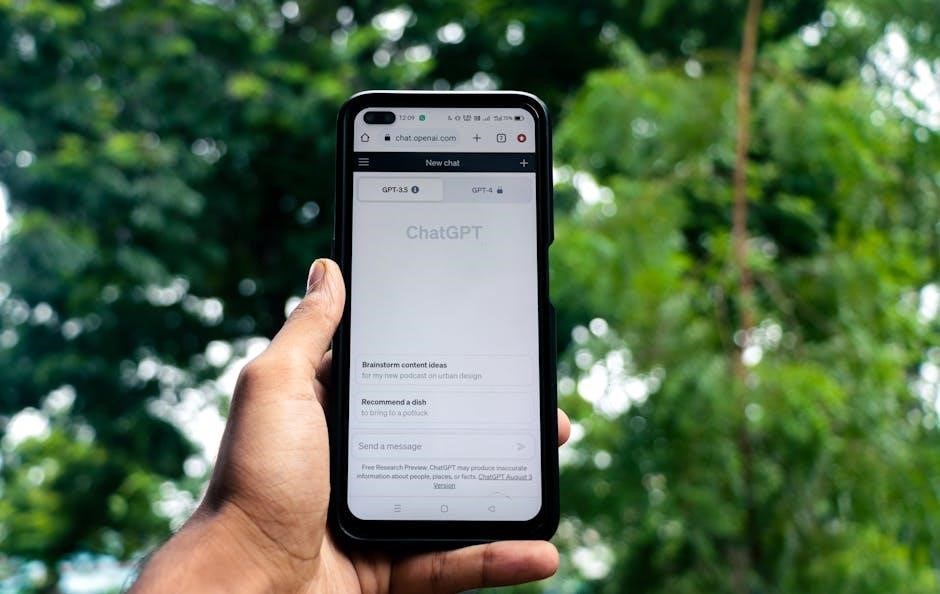
The eBook explores how businesses are using AI-integrated functionalities, such as the ChatGPT plugin and OpenAI integrations, to streamline operations․ Case studies detail automating content creation, improving customer engagement, and optimizing lead generation processes․

One example highlights Harvey Hu, Founder & CTO at General Agency, building AI agents to automate complex web workflows․ Another implicitly points to Duolingo’s “AI First” strategy, showcasing the broader industry trend․ These real-world examples inspire readers and provide a blueprint for implementing similar solutions within their own organizations, ultimately boosting productivity․
Security Considerations When Automating with AI
“Automate It with Zapier and Generative AI” acknowledges the critical importance of security when integrating AI into automated workflows․ While Zapier offers robust security features, utilizing AI introduces new considerations that must be addressed proactively․
The eBook likely details best practices for data handling, emphasizing the need to protect sensitive information shared with AI models like OpenAI․ This includes understanding data privacy policies, implementing appropriate access controls, and regularly monitoring AI-driven processes for potential vulnerabilities․
Users should be aware of the risks associated with prompt injection and data leakage when using generative AI․ The guide probably stresses the importance of carefully reviewing AI-generated content and validating its accuracy before dissemination․ Secure API key management and adherence to Zapier’s security guidelines are also crucial for maintaining a secure automation environment, safeguarding business data and customer trust․

Future Trends: The Evolution of Zapier and AI Integration
“Automate It with Zapier and Generative AI” likely anticipates a rapidly evolving landscape for no-code automation and AI․ The integration between Zapier and AI is poised to become even more seamless and sophisticated, driven by advancements in both technologies․
We can expect to see more powerful AI plugins within Zapier, offering enhanced capabilities for natural language processing, data analysis, and decision-making․ The eBook probably suggests a shift towards more intelligent workflows that can adapt and learn over time, reducing the need for manual intervention․
Furthermore, the rise of AI agents, as exemplified by Harvey Hu’s work at General Agency, hints at a future where Zapier can orchestrate complex, multi-step automations powered by autonomous AI entities․ Duolingo’s “AI First” strategy demonstrates a broader industry trend, suggesting that AI will become increasingly central to business operations, and Zapier will be instrumental in facilitating this transformation․

Resources and Further Learning
For those seeking to deepen their understanding of Zapier and Generative AI automation, several resources complement “Automate It with Zapier and Generative AI․” The eBook itself is available in PDF format for instant download, boasting a high rating of 4․8/5 from 27 reviews, and is part of the 2025 academic edition․
A direct link to explore further is provided: https://bit․ly/48tyXXy․ This likely leads to additional materials, tutorials, or community forums․ Exploring Zapier’s official documentation and help center is crucial for mastering the platform’s functionalities․
Furthermore, staying abreast of OpenAI’s developments and the ChatGPT plugin’s capabilities will be invaluable․ Following industry leaders like Harvey Hu, who are building cutting-edge AI agents, can provide insights into future trends․ Continuous learning and experimentation are key to maximizing the benefits of this powerful combination․