AWD manual cars represent a dwindling‚ yet cherished‚ niche in the automotive world‚ offering a unique blend of driver engagement and all-weather capability.
Currently‚ models like the Subaru WRX‚ Toyota GR Corolla‚ Ford Bronco‚ Jeep Wrangler‚ and select Porsche 911 variants still provide this exhilarating experience.
Despite a decline in availability‚ these vehicles continue to appeal to enthusiasts seeking ultimate control and a connection to the driving process.
The combination delivers a thrilling experience‚ appealing to those who value both performance and a direct link to the mechanics of the vehicle.
The Appeal of a Manual Transmission
Manual transmissions‚ often lauded by driving enthusiasts‚ offer a level of control and engagement absent in automatic systems. This stems from the driver’s direct involvement in gear selection‚ fostering a more connected and immersive driving experience. It’s a “labor of love‚” as some describe it‚ requiring skill and attentiveness.
Beyond the tactile satisfaction‚ a manual gearbox allows for precise engine braking and power delivery‚ crucial for performance driving and navigating challenging terrains. The ability to hold a specific gear during cornering or descending steep hills provides enhanced control.
For many‚ the manual transmission isn’t simply about functionality; it’s about preserving a traditional driving experience in an increasingly automated world. It’s a deliberate choice‚ a rejection of convenience in favor of a more visceral connection with the machine.
This appeal resonates strongly with those who appreciate the art of driving.
Why Choose All-Wheel Drive?
All-Wheel Drive (AWD) systems distribute power to all four wheels‚ dramatically enhancing traction and stability‚ particularly in adverse conditions. This is a significant advantage in scenarios like snow‚ ice‚ gravel‚ or even wet pavement‚ providing increased confidence and control. AWD minimizes wheel slip‚ allowing for quicker acceleration and more secure cornering.
Beyond inclement weather‚ AWD benefits performance-oriented driving. By distributing power more effectively‚ it reduces torque steer and improves handling‚ especially during spirited acceleration. This is particularly valuable in vehicles like the Subaru WRX and Toyota GR Corolla‚ designed for both daily driving and track use.
For off-road applications‚ as seen in the Ford Bronco and Jeep Wrangler‚ AWD is essential for navigating challenging terrain and overcoming obstacles. It’s a system built for versatility and capability.
AWD provides peace of mind and enhanced performance.
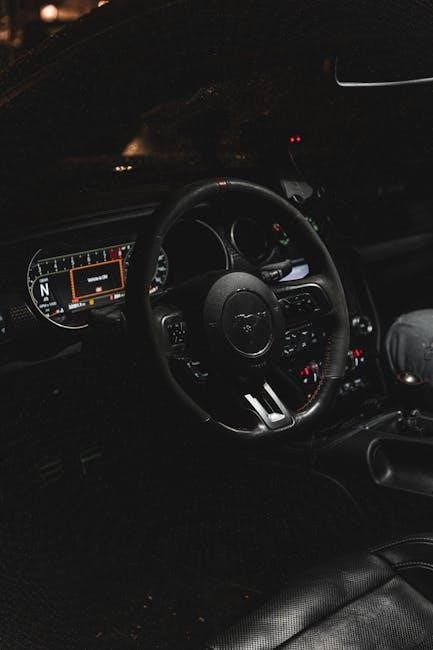
Current Models Available (as of 12/12/2025)
As of today’s date‚ a select few manufacturers still offer AWD vehicles with manual transmissions‚ catering to enthusiast drivers seeking a connected experience.
These include Subaru‚ Toyota‚ Ford‚ Jeep‚ and Porsche.
Subaru WRX
The Subaru WRX remains a stalwart champion of the AWD manual configuration‚ consistently delivering a thrilling driving experience for performance enthusiasts. It’s a popular choice for those desiring a capable and engaging vehicle.
The WRX’s symmetrical all-wheel-drive system provides exceptional grip and stability in various conditions‚ while the available 6-speed manual transmission allows for precise gear control and a direct connection to the engine.
This combination makes it a standout option for spirited driving and tackling challenging roads. Subaru continues to support the manual transmission‚ recognizing its importance to its dedicated fanbase.
It’s a vehicle that embodies the spirit of driver involvement.
Performance Specifications
The Subaru WRX‚ when equipped with a manual transmission‚ typically features a 2.4-liter turbocharged four-cylinder engine. This powerplant delivers around 273 horsepower and 258 lb-ft of torque‚ providing robust acceleration and responsive performance.
The symmetrical all-wheel-drive system is central to its capabilities‚ distributing power effectively for optimal traction. The 6-speed manual transmission is closely-ratioed‚ enhancing driver engagement and control.
Acceleration figures generally place the WRX in the 5-6 second range for 0-60 mph. Suspension tuning prioritizes handling and responsiveness‚ making it a capable performer on both the road and track.
It’s a well-balanced performance package.
Key Features & Trim Levels
The Subaru WRX offers several trim levels when paired with the manual transmission‚ including the base model‚ Premium‚ and Limited. Standard features often include a suite of safety technologies like EyeSight driver assist‚ automatic climate control‚ and a touchscreen infotainment system.
The Premium trim adds features like heated front seats‚ a power moonroof‚ and upgraded audio. The Limited trim boasts leather upholstery‚ Recaro seats‚ and a premium Harman Kardon sound system.
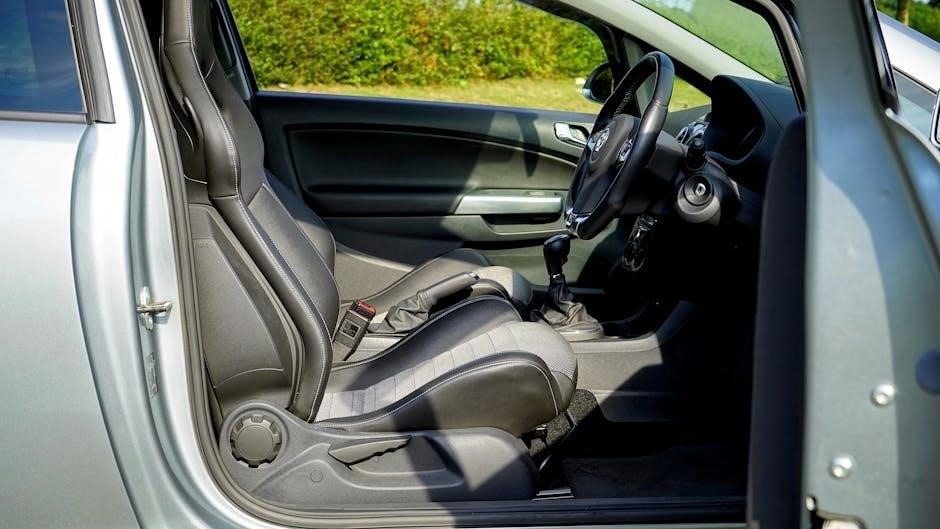
All trims benefit from Subaru’s symmetrical all-wheel drive and the engaging 6-speed manual. Performance enhancements‚ such as upgraded brakes and suspension‚ are available on higher trims‚ further refining the driving experience.
These trims cater to diverse preferences.
Toyota GR Corolla
The Toyota GR Corolla stands out as a relatively new entrant‚ quickly gaining acclaim for its focused driving experience. It exclusively offers a six-speed manual transmission paired with a potent turbocharged three-cylinder engine and GR-FOUR all-wheel drive system.
This system allows drivers to adjust power distribution between the front and rear axles‚ enhancing agility and control. Trim levels include the Core‚ Launch Edition (limited availability)‚ and Circuit Edition.
The Circuit Edition adds features like forged wheels and larger brakes‚ geared towards track performance. The GR Corolla’s design prioritizes functionality and aerodynamics‚ making it a compelling option for enthusiasts.
It’s a modern take on a rally-inspired hot hatch.
Engine and Transmission Details
The Toyota GR Corolla’s heart is a turbocharged 1.6-liter three-cylinder engine‚ producing over 300 horsepower. This compact powerhouse delivers impressive acceleration and responsiveness‚ perfectly complementing the engaging manual transmission.
The sole transmission option is a precise and robust six-speed manual‚ designed for spirited driving and direct driver control. The GR-FOUR AWD system works in harmony with the engine and transmission‚ offering adjustable power distribution.
Drivers can select from Normal‚ Sport‚ and Track modes‚ altering the front/rear bias for optimal performance in various conditions. This combination creates a uniquely balanced and thrilling driving experience‚ prioritizing driver involvement.
It’s a truly driver-focused powertrain.
Track-Focused Design Elements
The Toyota GR Corolla isn’t just about power; it’s meticulously engineered for track performance. Its wide body and aggressive styling aren’t merely aesthetic choices‚ but functional elements enhancing aerodynamics and stability at speed.
Large brake rotors and high-performance calipers ensure consistent stopping power‚ crucial for demanding track sessions. The suspension is tuned for minimal body roll and maximum grip‚ providing confident handling.
Inside‚ supportive sport seats keep the driver firmly planted‚ while a minimalist interior reduces distractions. Every detail‚ from the steering wheel grip to the pedal placement‚ is optimized for a focused driving experience‚ making it a true enthusiast’s machine.
It’s built for performance.
Ford Bronco
The Ford Bronco stands as a modern icon‚ reviving a legendary nameplate with serious off-road prowess. Importantly‚ select Bronco trims offer a satisfying 7-speed manual transmission paired with its advanced four-wheel-drive system.
This combination allows drivers to precisely control power delivery and maintain momentum over challenging terrain. The Bronco’s robust suspension‚ coupled with selectable drive modes‚ tackles rocks‚ mud‚ and sand with confidence.
Its boxy design isn’t just retro-inspired; it maximizes visibility and interior space. The Bronco is a versatile machine‚ equally capable of conquering trails and enjoying everyday driving‚ appealing to adventure seekers.
It’s a true off-road champion.
Off-Road Capabilities
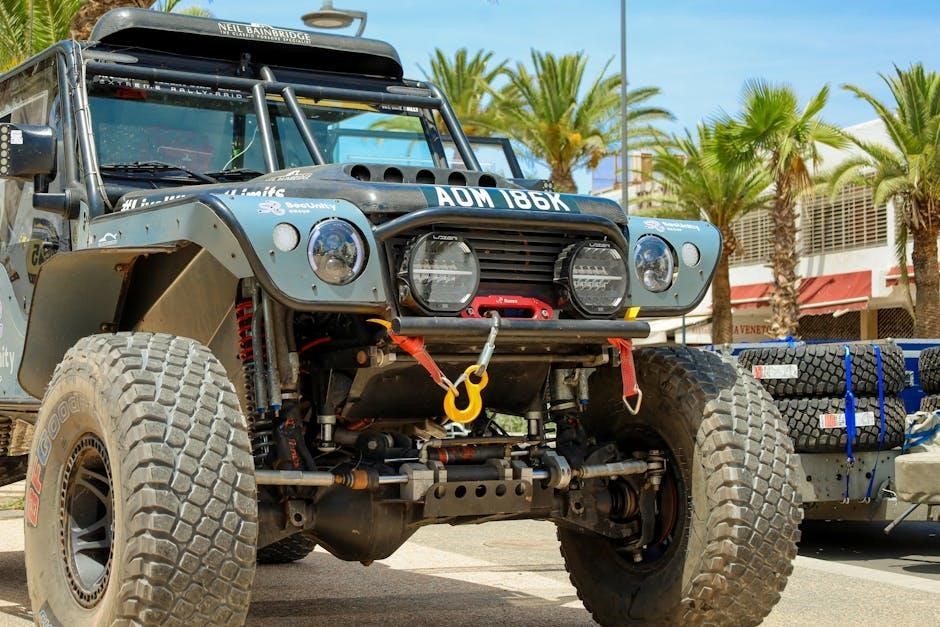
Vehicles like the Ford Bronco and Jeep Wrangler‚ when equipped with a manual transmission and AWD‚ unlock exceptional off-road potential. The manual gearbox provides precise gear selection‚ crucial for navigating tricky obstacles and maintaining control on uneven surfaces.
AWD systems distribute power to all four wheels‚ maximizing traction in low-grip conditions like mud‚ snow‚ or rock. Selectable drive modes further enhance capability‚ allowing drivers to tailor the vehicle’s response to the terrain.
These combinations offer a more connected and engaging off-road experience‚ demanding driver skill and rewarding precise inputs. It’s a thrilling experience for those seeking adventure.
Truly capable machines!
Manual Transmission Options & Gearing
For models offering a manual AWD configuration‚ like the Ford Bronco‚ transmission choices typically include a robust 6-speed or 7-speed manual. Gearing ratios are carefully calibrated to balance on-road drivability with off-road crawling ability.
Lower gear ratios provide increased torque multiplication‚ essential for overcoming obstacles and maintaining control at low speeds. These transmissions are built to withstand the stresses of off-road use‚ featuring strengthened components and durable clutches.
The Bronco‚ for example‚ offers both high and low range gearing‚ maximizing versatility. Precise shifting is key to extracting the full potential of these systems‚ offering a truly engaging driving experience.
A driver’s skill is paramount!
Jeep Wrangler
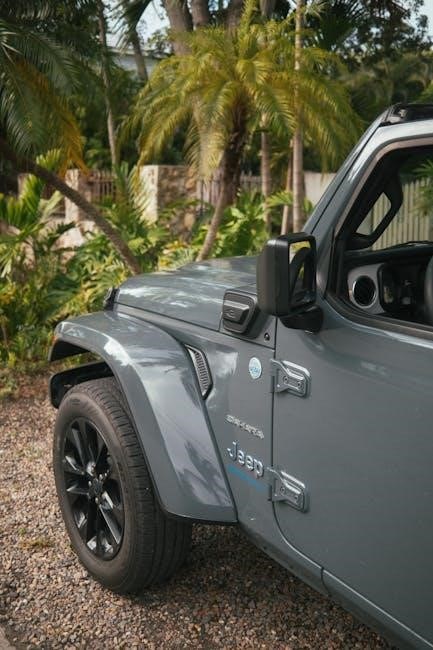
The Jeep Wrangler remains a stalwart champion of the AWD manual transmission‚ offering a uniquely capable and customizable experience. Its legendary off-road prowess is significantly enhanced when paired with a six-speed manual gearbox‚ granting drivers precise control over power delivery.
The Wrangler’s AWD system‚ often referred to as Rock-Trac‚ provides exceptional traction on challenging terrain. Combining this with a manual transmission allows for meticulous gear selection‚ maximizing torque and minimizing wheelspin.
This configuration appeals to enthusiasts who relish the challenge and reward of mastering a traditional driving experience‚ especially when navigating rugged landscapes.
It’s a true icon!
AWD Systems Explained
Jeep Wranglers employ sophisticated All-Wheel Drive (AWD) systems designed for optimal traction in diverse conditions. These systems typically feature a transfer case allowing drivers to switch between 2-High‚ 4-High‚ and 4-Low ranges. 4-High is suited for on-road inclement weather‚ while 4-Low provides maximum torque for challenging off-road obstacles.
The Wrangler’s AWD isn’t always ‘on’; it often operates in rear-wheel drive until wheel slip is detected‚ then automatically engages the front axle. This on-demand system enhances fuel efficiency.
When coupled with a manual transmission‚ the driver has ultimate control over utilizing the AWD system’s capabilities‚ selecting the appropriate gear and range for the terrain.
It’s a perfect match!
Benefits of a Manual in Off-Roading
A manual transmission offers distinct advantages when navigating challenging off-road terrain. Unlike automatics‚ a manual allows precise gear selection‚ crucial for maintaining momentum and controlling wheel speed over obstacles like rocks and steep inclines.
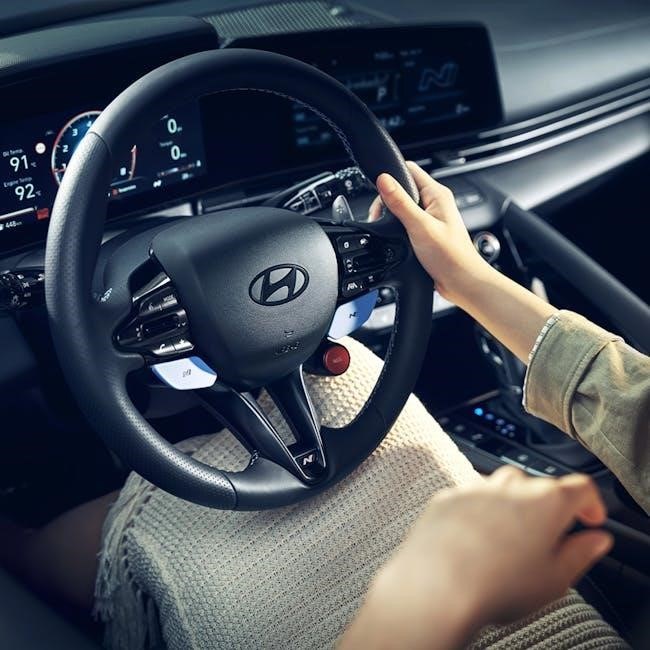
Engine braking becomes a powerful tool for controlled descents‚ reducing reliance on the brakes and preventing overheating. Clutch control enables “feathering” – subtly modulating power to prevent wheel spin and maximize traction.
Combining this control with an AWD system provides unparalleled capability. Drivers can precisely manage power delivery to each wheel‚ enhancing stability and conquering difficult trails with confidence.
It’s a winning combination!
Porsche 911 (Specific Models)
Porsche continues to offer a select range of 911 models with both all-wheel drive (AWD) and a manual transmission‚ catering to purists and driving enthusiasts. Currently‚ certain Carrera 4 and Carrera 4S variants allow for a six-speed manual gearbox option.
However‚ not all 911 trims provide this combination; the newer GTS models‚ even with their hybrid enhancements‚ often prioritize the PDK dual-clutch transmission. This makes the manual AWD 911 a relatively exclusive offering.
The availability varies by year and specific configuration‚ so prospective buyers should carefully review Porsche’s build options to confirm availability.
It’s a true driver’s car!
Which 911 Models Offer Manual AWD?
As of late 2025‚ the Porsche 911 Carrera 4 and Carrera 4S stand out as the primary models offering both all-wheel drive and a satisfying six-speed manual transmission. These variants provide a compelling blend of performance and driver engagement‚ appealing to enthusiasts who prefer a more connected driving experience.
However‚ it’s crucial to note that Porsche’s model lineup and options can change. The GTS models‚ while powerful‚ generally favor the PDK dual-clutch transmission. Therefore‚ confirming availability with a Porsche dealer or through the official configurator is essential.
The manual option enhances the 911’s already legendary driving dynamics.
Performance Advantages of the Combination
Combining all-wheel drive with a manual transmission in a Porsche 911 unlocks a unique performance profile. AWD provides enhanced traction‚ particularly during acceleration and cornering‚ allowing for quicker launches and increased stability. The manual gearbox then empowers the driver to precisely control power delivery‚ maximizing the benefits of the AWD system.
This synergy results in improved lap times and a more engaging driving experience. Drivers can actively manage gear selection to maintain optimal engine RPM‚ further enhancing responsiveness. The manual transmission also fosters a stronger connection between driver and machine‚ increasing confidence and control.
It’s a truly rewarding setup.
The Declining Availability of AWD Manuals
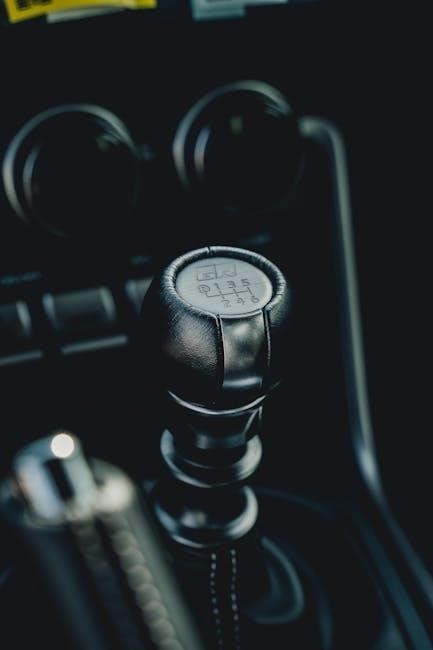
AWD manuals are becoming rare due to shifting consumer preferences towards automatics and the complexities of integrating both systems in modern vehicle production.
Enthusiasts lament this trend‚ fearing the loss of driver engagement and control.
Reasons for the Decrease in Production
Several factors contribute to the dwindling number of AWD vehicles offered with manual transmissions. Primarily‚ market demand heavily favors automatic transmissions‚ perceived as more convenient for daily driving.
Manufacturers respond to consumer trends‚ allocating resources to technologies with higher sales volumes.
Furthermore‚ integrating a manual transmission with sophisticated AWD systems adds complexity and cost to production.
Developing and certifying these combinations for various markets requires significant investment.
Stringent emissions regulations also play a role‚ as optimizing manual transmissions for fuel efficiency can be challenging.
The rise of electric vehicles‚ which predominantly utilize single-speed transmissions‚ further diminishes the need for manual options.
The Enthusiast Perspective
For driving enthusiasts‚ the decline of AWD manual cars is a significant loss. The combination offers an unparalleled level of control and engagement‚ fostering a deeper connection with the vehicle.
Many purists believe a manual transmission enhances the driving experience‚ allowing for precise gear selection and a more visceral feel.
Pairing this with AWD provides confidence and capability in diverse conditions‚ making for a truly rewarding drive.
Enthusiasts actively seek out and cherish these increasingly rare models‚ recognizing their unique appeal.
They view the manual transmission as a skill to be mastered‚ not a convenience to be avoided‚ and lament its disappearance from modern automotive design.
Benefits of Combining AWD and Manual Transmission
AWD and manual transmissions deliver enhanced driver control‚ maximizing performance and confidence in all conditions‚ offering a uniquely engaging and rewarding driving experience;
This pairing allows for precise power management and a more connected feel to the road.
Enhanced Driver Control
The synergy between all-wheel drive and a manual transmission elevates driver control to a remarkable level. AWD distributes power to all four wheels‚ providing superior traction and stability‚ especially in challenging conditions like snow‚ gravel‚ or even spirited driving on pavement.
Coupled with a manual gearbox‚ the driver gains complete authority over gear selection‚ allowing for precise engine braking and power delivery. This direct connection fosters a more intuitive and responsive driving experience‚ enabling nuanced control over the vehicle’s behavior.
Unlike automatic systems‚ a manual transmission eliminates torque converter losses and allows the driver to maintain the engine in its optimal power band‚ maximizing acceleration and responsiveness. This combination empowers drivers to confidently navigate diverse terrains and driving scenarios‚ truly connecting them to the machine.
Improved Fuel Efficiency (in certain scenarios)
While AWD generally adds weight and complexity‚ potentially reducing fuel economy‚ a manual transmission can mitigate this in specific driving situations. Skilled drivers can optimize gear selection to maintain the engine within its most efficient RPM range‚ maximizing miles per gallon.
Unlike automatics that sometimes ‘hunt’ for gears‚ a manual allows precise control‚ avoiding unnecessary shifts and maintaining consistent engine load. This is particularly beneficial during highway cruising or steady-state driving.
Furthermore‚ the driver’s engagement encourages a more mindful driving style‚ potentially leading to smoother acceleration and braking‚ further contributing to fuel savings. However‚ aggressive driving or frequent stop-and-go traffic may negate these benefits.
Historical Context: AWD Manual Cars
Early AWD manuals‚ like those from Subaru and Audi‚ gained traction in the 80s and 90s‚ offering superior grip.
These models pioneered the blend of driver control and all-weather capability‚ establishing a dedicated following.
The technology evolved‚ enhancing performance and refinement over decades.
Notable Models from the Past
Subaru consistently stands out‚ with the Impreza WRX and STI becoming icons of the rally-bred‚ AWD manual experience throughout the 90s and 2000s. These cars offered accessible performance and a robust drivetrain.
Audi’s Quattro models‚ like the Ur-Quattro and subsequent S4/RS4 variants‚ showcased sophisticated AWD systems paired with manual transmissions‚ delivering a refined yet engaging drive.
Mitsubishi’s Lancer Evolution series also deserves recognition‚ providing a formidable competitor with a focus on track performance and driver involvement. These models were highly tunable and popular in motorsport.
Even Nissan offered compelling options‚ with certain Skyline GT-R generations featuring manual transmissions alongside their advanced AWD systems‚ creating legendary performance machines;
These vehicles represent a golden era for enthusiasts seeking a direct connection to their cars.
Evolution of the Technology
Early AWD systems were often mechanically complex‚ relying on viscous couplings and limited-slip differentials to distribute power. Pairing these with manual transmissions demanded skilled drivers to manage the resulting torque delivery.
The introduction of electronic control units (ECUs) revolutionized AWD‚ allowing for more precise and dynamic power distribution. This enhanced stability and traction‚ making AWD manuals more accessible.
Advancements in transmission technology‚ such as improved synchronizers and gear ratios‚ refined the manual shifting experience. This made these cars more enjoyable to drive.
Modern systems now incorporate sophisticated sensors and algorithms‚ seamlessly integrating AWD with manual transmissions for optimal performance in various conditions.
This evolution has broadened the appeal of AWD manuals‚ though their numbers continue to dwindle.
Future Outlook for AWD Manuals
The future is uncertain‚ with electric vehicles potentially overshadowing traditional transmissions. However‚ enthusiast demand could spur limited production runs‚ preserving this engaging driving experience.
Niche manufacturers might continue offering AWD manuals‚ catering to a dedicated customer base seeking a visceral connection to their vehicles.
Potential for Revival
Despite the overall decline‚ a revival of AWD manual cars isn’t entirely out of the question. The enduring passion within the automotive enthusiast community provides a foundation for renewed interest. Manufacturers keenly aware of this dedicated fanbase might strategically introduce limited-edition models.
These wouldn’t necessarily be high-volume sellers‚ but rather halo cars designed to generate excitement and brand loyalty. The success of models like the Toyota GR Corolla demonstrates that there is a market for engaging‚ driver-focused vehicles.
Furthermore‚ a shift towards more customizable vehicle options could allow buyers to specifically request AWD with a manual transmission‚ potentially influencing future production decisions. The key lies in balancing consumer demand with the economic realities of manufacturing.
Impact of Electric Vehicles
The rise of electric vehicles (EVs) presents a significant challenge to the future of AWD manual cars. EVs inherently offer instant torque and often utilize multi-motor setups‚ effectively providing all-wheel drive without the need for traditional mechanical systems.
However‚ the very nature of EVs – typically relying on single-speed transmissions – eliminates the possibility of a manual gearbox. While some enthusiasts explore simulated manual modes‚ they lack the tactile feedback and engagement of a true manual experience.
Consequently‚ the traditional AWD manual combination may become increasingly relegated to niche‚ gasoline-powered vehicles‚ cherished by a dwindling but devoted following. The transition to electric power fundamentally alters the driving experience‚ potentially rendering the manual transmission obsolete.