Golf Strength and Conditioning Program: An Overview
Developing a robust program, like those utilized by collegiate and professional teams, is crucial for golfers seeking peak performance and injury resilience.
Strength and conditioning, as seen with programs at Kansas Athletics and Oklahoma State, focuses on enhancing physical well-being and athletic capabilities.
NFL-level expertise, exemplified by Ted Rath’s approach in New Orleans, highlights the importance of tailored training for optimal sports performance.
Addressing parental concerns about youth strength training, as often encountered, demonstrates the adaptability of these programs across age groups.
Traditionally, golf fitness was often overlooked, focusing primarily on technique. However, modern golf demands a comprehensive approach, recognizing the significant link between physical conditioning and performance on the course. A well-designed program isn’t simply about building general strength; it’s about developing the specific physical attributes required for the complex movements of the golf swing.
Programs, like those implemented at Kansas Athletics, emphasize enhancing overall physical well-being, incorporating strength training, flexibility work, and anaerobic conditioning. This holistic approach acknowledges that golf isn’t solely a skill-based sport, but one that places considerable physical demands on the body.
The role of a dedicated strength and conditioning coach, such as Nick Hoheisel at Oklahoma State, is becoming increasingly vital. These professionals understand the nuances of golf biomechanics and can tailor programs to address individual needs and weaknesses. They move beyond generic workouts, focusing on rotational power, core stability, and the flexibility necessary for a consistent and powerful swing.
Furthermore, dispelling myths about strength training for younger athletes, as often addressed by coaches, demonstrates the adaptability of these principles across all skill levels and ages. A properly structured program can benefit golfers of any age, improving their game and reducing the risk of injury.
The Importance of a Structured Program
A haphazard approach to golf fitness can be ineffective, even detrimental. A structured program, mirroring those used by collegiate and professional athletes, provides a roadmap for progressive improvement, minimizing injury risk and maximizing results. Without a plan, golfers may focus on irrelevant exercises or neglect crucial areas of development.
The expertise of strength and conditioning professionals, like Ted Rath’s NFL background applied to the New Orleans Saints, underscores the value of systematic training. These coaches don’t just prescribe exercises; they design programs based on biomechanical principles and individual assessments.
Consider the Kansas Athletics program, which prioritizes a balanced approach encompassing strength, flexibility, and conditioning. This demonstrates that a comprehensive program isn’t about isolated gains, but about synergistic improvements across multiple physical components.
Addressing concerns about youth strength training highlights the need for age-appropriate programming. A structured program ensures exercises are scaled to individual capabilities, promoting safe and effective development. Ultimately, a well-designed program transforms fitness from a random activity into a strategic advantage on the golf course.

Key Physical Components for Golf
Optimal golf performance demands a blend of rotational power, core stability, and flexibility—elements emphasized in programs for athletes at all levels, from youth to professional.
Rotational Power Development
Generating significant power in the golf swing relies heavily on rotational movements, demanding a focused conditioning approach. Programs, mirroring those used by collegiate and professional athletes, prioritize exercises that build explosive rotational strength.
This involves training the core, hips, and thoracic spine to work cohesively, transferring energy efficiently from the ground up through the swing. Key exercises often include medicine ball throws, cable rotations, and plyometric movements designed to enhance rotational speed and power;
Strength and conditioning coaches, like Nick Hoheisel at Oklahoma State, integrate these drills to improve an athlete’s ability to generate clubhead speed. The goal isn’t simply brute force, but rather coordinated, explosive rotation, mirroring the biomechanics of the golf swing.
Furthermore, a well-structured program will progressively overload these movements, ensuring continuous improvement in rotational power while minimizing the risk of injury. This component is fundamental for maximizing distance and overall performance on the course.
Core Strength and Stability
A robust core is the foundational element of a powerful and consistent golf swing, acting as the crucial link between the lower and upper body. Effective golf fitness programs, similar to those implemented at Kansas Athletics, heavily emphasize core strength and stability training.
This isn’t merely about achieving “six-pack abs”; it’s about developing deep core muscles – the transverse abdominis, obliques, and multifidus – that provide spinal stability and resist unwanted movement during the swing. Exercises commonly include planks, anti-rotation presses, and dead bugs.
The ability to maintain a stable core allows golfers to efficiently transfer energy and control the club throughout the swing arc. Strength and conditioning coaches recognize this, integrating core work into every phase of training.
Just as NFL programs prioritize core strength for athletic performance, golf programs understand its vital role in preventing injuries and maximizing power output, ensuring a solid foundation for a repeatable swing.
Flexibility and Mobility for the Golf Swing
Optimal flexibility and mobility are paramount for achieving a full range of motion in the golf swing, directly impacting power, accuracy, and injury prevention. A comprehensive golf strength and conditioning program, mirroring those used by collegiate and professional athletes, prioritizes these elements.
Restrictions in key areas – hips, thoracic spine, and shoulders – can limit swing mechanics and force compensations, potentially leading to strain. Targeted stretching and mobility drills, such as dynamic stretches before play and static stretches post-round, are essential.
Programs, like those at Kansas Athletics, incorporate exercises to improve rotational mobility, allowing for a greater coil and more efficient energy transfer. Foam rolling and self-myofascial release techniques can also address muscle tightness.
Similar to the holistic approach taken by NFL strength and conditioning coaches, golf fitness emphasizes a balanced approach to flexibility, ensuring the body can withstand the demands of the swing without risk of injury.

Designing a Golf Strength and Conditioning Program
Crafting an effective program requires careful assessment, mirroring collegiate approaches, and a phased implementation to build a solid foundation for power and endurance.
Assessment of Current Fitness Level
Before embarking on any golf-specific strength and conditioning program, a thorough assessment of the golfer’s current fitness level is paramount. This initial evaluation serves as the baseline for tracking progress and tailoring the program to individual needs and limitations.
Similar to the comprehensive approach employed by Kansas Athletics, assessments should encompass several key areas. These include evaluating existing strength levels in both the upper and lower body, assessing core stability and rotational power, and measuring flexibility and range of motion.
Functional movement screens, like those used by qualified strength and conditioning coaches, can identify movement patterns that may predispose the golfer to injury or hinder performance. Cardiovascular fitness should also be evaluated to determine endurance capacity.
Data collected from these assessments will inform the design of a personalized program, ensuring it addresses specific weaknesses and builds upon existing strengths. This individualized approach, mirroring professional team strategies, maximizes effectiveness and minimizes the risk of injury.
Warm-up Routine for Golfers
A dynamic warm-up is essential before any golf strength and conditioning session, or even before a round of golf itself. This prepares the body for the demands of the swing, increasing blood flow to muscles and improving joint mobility.
Inspired by the holistic approach of programs like those at Kansas Athletics, a golfer’s warm-up should incorporate movements that mimic the golf swing. This includes torso rotations, arm circles, and leg swings, gradually increasing in range of motion.
Specific exercises could include hip mobility drills, shoulder dislocations with a light band, and dynamic stretches targeting the hamstrings and glutes. These movements enhance flexibility and prepare the muscles for explosive power.
Furthermore, incorporating light cardiovascular activity, such as jogging or jumping jacks, can elevate the heart rate and further prepare the body for exertion. A well-executed warm-up minimizes injury risk and optimizes performance.
Strength Training Exercises
A comprehensive strength training program for golf, mirroring those used by collegiate and professional athletes, should target key muscle groups involved in the golf swing. This builds a foundation for power, stability, and injury prevention.
Exercises should be categorized into lower body, upper body, and core work. Lower body exercises, like squats and lunges, build leg strength crucial for generating power. Upper body exercises, such as rows and presses, enhance swing speed and control.
Core strengthening is paramount, with exercises like planks and Russian twists improving rotational stability. Programs, like those overseen by strength and conditioning coaches at Oklahoma State, emphasize a balanced approach.
Progressive overload is key – gradually increasing weight or resistance over time. Proper form is vital to avoid injury, echoing the importance of technique emphasized in athletic programs.
Lower Body Exercises
Robust lower body strength is fundamental for generating power in the golf swing, mirroring the demands placed on athletes in programs like Kansas Athletics. Exercises should focus on building strength and stability in the legs, glutes, and core.
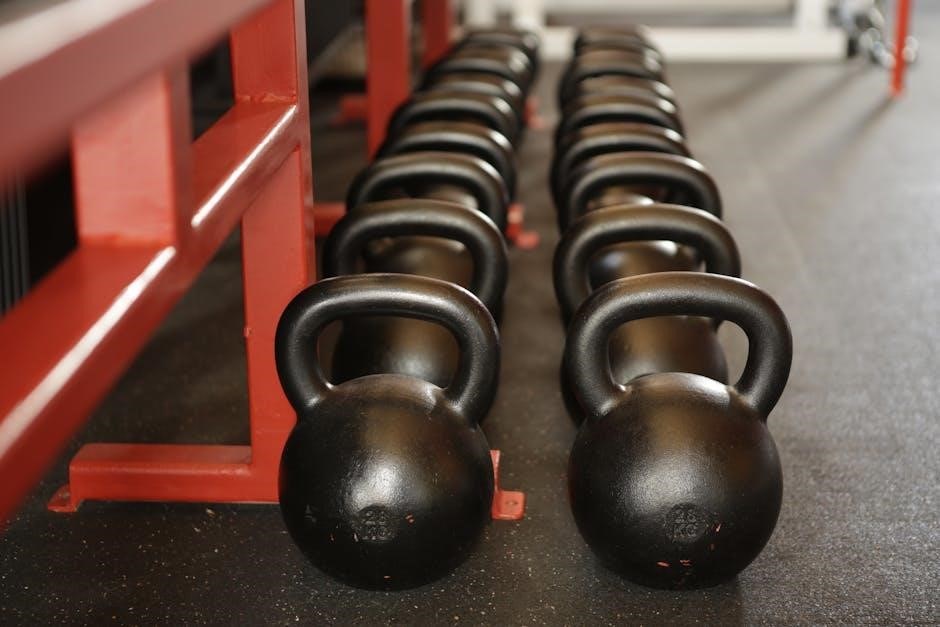
Key exercises include squats – both back and front – to develop overall leg strength. Lunges, in various forms (forward, reverse, lateral), improve balance and single-leg stability, crucial for the swing’s dynamic movements.
Deadlifts, performed with proper form, enhance posterior chain strength, contributing to power generation. Glute bridges and hip thrusts isolate and strengthen the glutes, vital for hip rotation.
Calf raises improve ankle stability and power transfer. Incorporating plyometric exercises, like jump squats, further enhances explosive power, mirroring the training approaches of professional sports performance teams.
Upper Body Exercises
Developing upper body strength and stability is essential for controlling the club and maintaining a consistent swing, aligning with the holistic approach seen in collegiate strength programs.
Key exercises include bench press, focusing on controlled movements to build chest and triceps strength. Overhead press develops shoulder strength and stability, crucial for maintaining posture throughout the swing.
Rows – both barbell and dumbbell – strengthen the back muscles, promoting proper posture and preventing imbalances. Pull-ups, or lat pulldowns, enhance upper body pulling strength.
Rotational exercises, like cable rotations and medicine ball throws, mimic the twisting motion of the golf swing, improving power and coordination. Incorporating exercises that address scapular stability is also vital for shoulder health and efficient movement.
Core Strengthening Exercises
A strong core is the foundation of a powerful and consistent golf swing, mirroring the emphasis on core stability within comprehensive athletic programs like those at Kansas Athletics.
Essential exercises include planks – both standard and side planks – to build isometric core strength and endurance. Russian twists, utilizing a medicine ball or weight plate, enhance rotational core power.
Dead bugs and bird dogs improve core stability while promoting proper spinal alignment. Cable wood chops and pallof presses challenge the core to resist rotation, crucial for controlling the club during the swing.
Integrating anti-extension, anti-rotation, and anti-lateral flexion exercises ensures a well-rounded core strengthening routine; Prioritizing proper form over weight is paramount to prevent injury and maximize effectiveness, aligning with best practices in strength and conditioning.
Plyometric Training for Golf
Plyometrics are vital for developing explosive power, translating directly to increased clubhead speed and distance – a key component of advanced golf fitness programs, similar to those employed by collegiate and professional athletes.
Exercises like box jumps and depth jumps enhance lower body power, crucial for generating force during the swing. Medicine ball throws, performed with rotational movements, improve rotational power and core stability.
Lateral plyometric movements, such as lateral bounds and cone hops, develop lateral power, important for maintaining balance and control throughout the swing. Reactive agility drills further enhance responsiveness and coordination.
Progressive overload is essential; start with low-intensity exercises and gradually increase the height, distance, or resistance. Proper landing mechanics and adequate recovery are crucial to prevent injuries, mirroring the holistic approach to athlete well-being seen in programs like Kansas Athletics’.
Cardiovascular Conditioning for Endurance
Maintaining stamina throughout a round of golf is paramount, demanding a robust cardiovascular conditioning component within a comprehensive golf fitness program, akin to those designed for collegiate and professional athletes.
Interval training, alternating between high-intensity bursts and recovery periods, effectively improves both aerobic and anaerobic capacity. This mirrors the fluctuating energy demands of a golf round.
Long, slow distance (LSD) training builds a solid aerobic base, enhancing endurance for walking the course and maintaining focus over extended periods. Incorporate activities like brisk walking, jogging, or cycling.

Consider incorporating hill sprints to build leg strength and cardiovascular endurance simultaneously. The Kansas Athletics program emphasizes a holistic approach, integrating various conditioning methods. Remember, proper warm-up and cool-down routines are essential for injury prevention, aligning with the principles of athlete well-being.

Sample Weekly Training Schedule
Structured programs, like those employed by collegiate teams, utilize phased approaches – foundation building, power development, and maintenance – to optimize golfer fitness.
Progressive overload is key, gradually increasing intensity and volume to continually challenge the athlete and promote adaptation, mirroring NFL training principles.
Phase 1: Foundation Building (4 Weeks)
This initial phase prioritizes establishing a solid base of strength, stability, and movement proficiency, crucial for injury prevention and maximizing training adaptations. Drawing inspiration from collegiate programs like Kansas Athletics, the focus is on fundamental exercises.
Weeks one through four emphasize proper form and technique over maximal weight. Core stability work is paramount, incorporating planks, bird-dogs, and anti-rotation exercises to build a resilient core – a cornerstone of the golf swing.
Lower body exercises include bodyweight squats, lunges, and glute bridges, building foundational strength and addressing common mobility restrictions. Upper body work centers around resistance band rows, push-ups, and light dumbbell exercises.
Flexibility and mobility are integrated daily, utilizing dynamic stretching before workouts and static stretching afterward. This phase aims to prepare the body for more intense training in subsequent phases, mirroring the progressive approach seen in NFL strength and conditioning.
Phase 2: Power Development (6 Weeks)
Building upon the foundation established in Phase 1, this six-week block focuses on translating strength into explosive power, essential for generating clubhead speed and maximizing distance. This phase mirrors the advanced training methodologies employed by programs like Oklahoma State’s Cowboy golf team.
Plyometric exercises are introduced gradually, starting with low-intensity drills like box step-ups and progressing to more challenging movements like jump squats and medicine ball throws. These exercises enhance rate of force development.
Strength training incorporates heavier weights and more dynamic movements, including power cleans, snatches (with proper coaching), and rotational exercises using cable machines. The goal is to improve rotational power, a key component of the golf swing.
Continued emphasis is placed on core stability and flexibility, ensuring the body can handle the increased demands of power training. This phase prepares golfers for peak performance, aligning with the principles of NFL sports performance training.
Phase 3: Maintenance & Peak Performance (Ongoing)
This ongoing phase prioritizes maintaining the strength and power gains achieved in previous phases while optimizing performance for competition. It’s a continuous cycle of refinement, similar to the long-term approach adopted by Kansas Athletics’ strength and conditioning program.
Training volume is reduced slightly to allow for recovery and prevent overtraining, but intensity remains high. Focus shifts towards sport-specific drills that mimic the golf swing, reinforcing proper movement patterns.
Regular assessments are conducted to monitor progress and identify areas for improvement. This data-driven approach, mirroring NFL-level training, ensures the program remains effective.
Emphasis is placed on injury prevention through continued flexibility work, core stability exercises, and proper warm-up routines. This phase is about sustaining peak performance throughout the golfing season and beyond, adapting to individual needs.

Injury Prevention in Golf
Robust programs, like those at Kansas Athletics, prioritize flexibility, core stability, and proper form to mitigate common golf injuries and enhance athlete well-being.
Common Golf Injuries and Prevention Strategies
Golf, despite appearing low-impact, presents unique injury risks due to its repetitive rotational movements and forceful swings. Common ailments include lower back pain, often stemming from insufficient core strength and improper swing mechanics, mirroring concerns addressed in comprehensive strength and conditioning programs.
Elbow and shoulder injuries, such as tennis elbow and rotator cuff strains, frequently occur from overuse and inadequate muscle support. These can be proactively addressed through targeted upper body strength training, emphasizing balanced muscle development.
Wrist pain and injuries are also prevalent, particularly among amateur golfers lacking sufficient wrist stability. A well-structured program, similar to those employed by collegiate teams, incorporates exercises to strengthen wrist and forearm muscles.
Prevention hinges on a holistic approach: strengthening core muscles for spinal stability, improving flexibility and mobility to enhance swing mechanics, and implementing proper warm-up routines before each round or practice session.
Furthermore, addressing individual biomechanical imbalances and ensuring correct swing technique, guided by a qualified professional, is paramount in minimizing injury risk and maximizing performance.
Importance of Proper Form and Technique
Maintaining impeccable form and technique is paramount in golf, extending beyond simply hitting the ball; it’s intrinsically linked to injury prevention and maximizing the benefits of any strength and conditioning program. Incorrect mechanics place undue stress on joints and muscles, increasing susceptibility to common golf injuries like lower back pain and elbow strains.
A solid foundation in proper technique allows golfers to efficiently transfer power from the ground up, leveraging strength gains achieved through targeted exercises. This synergy, emphasized in programs at institutions like Kansas Athletics, optimizes performance and reduces compensatory movements.
Professional guidance from a qualified golf instructor is crucial for identifying and correcting biomechanical flaws. This ensures that strength gains translate into improved swing efficiency, rather than reinforcing poor habits.
Integrating technique work with strength and conditioning, as seen in collegiate programs, creates a holistic approach to development.
Ultimately, prioritizing proper form safeguards against injury and unlocks a golfer’s full potential, making it a non-negotiable aspect of any effective training regimen.

Resources and Further Information
Seeking expert guidance from a qualified strength and conditioning coach is vital for program personalization and safety, mirroring collegiate approaches.
Numerous golf fitness PDFs and programs are available online, offering structured routines to enhance performance and prevent injuries.
Finding a Qualified Strength and Conditioning Coach
Locating a skilled strength and conditioning coach specializing in golf is paramount for crafting a program tailored to your individual needs and skill level. Look for certifications from reputable organizations like the NSCA (National Strength and Conditioning Association) or the CSCCa (Collegiate Strength and Conditioning Coaches association).
Experience working with golfers specifically is a significant advantage, as they’ll understand the unique physical demands of the sport. Consider coaches affiliated with collegiate programs, like Nick Hoheisel at Oklahoma State, as they often employ cutting-edge techniques.
Inquire about their assessment process – a thorough evaluation of your current fitness level, movement patterns, and any existing limitations is crucial. A good coach will also prioritize injury prevention, mirroring the holistic approach seen in programs like Kansas Athletics.
Don’t hesitate to ask about their philosophy and training methodologies. Ensure it aligns with your goals and preferences, and that they emphasize proper form and technique, similar to the NFL-level focus of Ted Rath’s approach.
Recommended Golf Fitness PDFs and Programs
While a personalized program guided by a qualified coach is ideal, numerous resources can supplement your training. Searching online for “golf strength and conditioning program pdf” yields various downloadable guides, though quality varies significantly.
Look for programs developed by certified strength and conditioning specialists with golf-specific experience. Collegiate athletic programs, like those at Kansas and Oklahoma State, sometimes offer publicly available resources or training philosophies.
Consider programs that emphasize a phased approach, building a foundation of strength and stability before progressing to power development, mirroring the structure of effective training schedules.
Be cautious of overly aggressive or complex programs, especially if you’re new to strength training. Prioritize proper form and technique, as highlighted by professionals like Ted Rath, to minimize injury risk. Remember, consistency and gradual progression are key to long-term success.