Understanding Men’s Jeans Fit: A Comprehensive Guide (12/12/2025)
Navigating the world of men’s denim requires understanding various fits, from straight to skinny, and considering body type, rise, and inseam for optimal style and comfort.
This guide, updated today, December 12, 2025, will help you decipher the nuances of jeans fits, ensuring a perfect pair for any occasion and physique.
Explore how denim weight, stretch, and wash types influence the overall fit, alongside practical tips for trying on jeans and achieving a customized, flattering look.
Embarking on the journey to find the perfect pair of jeans can feel daunting, given the sheer variety available today. Understanding men’s jeans fits is crucial, as the right fit dramatically impacts both appearance and comfort. This isn’t simply about aesthetics; it’s about finding denim that complements your body type and lifestyle.
Historically, jeans were workwear, prioritizing durability and practicality. However, they’ve evolved into a fashion staple, with fits ranging from relaxed and loose to slim and skinny. The modern landscape offers a spectrum of options, including straight, tapered, and bootcut styles, each catering to different preferences and body shapes.
This guide aims to demystify these fits, providing a comprehensive overview to empower you to make informed decisions. We’ll explore the key characteristics of each fit, helping you navigate the complexities of denim and ultimately discover jeans that make you look and feel your best. Knowing your jeans is essential, even if other menswear knowledge is lacking!
Why Jeans Fit Matters
The fit of your jeans profoundly impacts your overall appearance and confidence. A well-fitting pair can enhance your physique, creating a streamlined and proportionate silhouette, while an ill-fitting pair can detract from your best features. It’s more than just fashion; it’s about how clothing interacts with your body.
Properly fitted jeans contribute to comfort and ease of movement. Restrictive jeans can be uncomfortable for extended wear, hindering daily activities. Conversely, jeans that are too loose can appear sloppy and lack definition. Finding the balance is key.
Jeans fit also reflects your personal style. Whether you prefer a classic, relaxed look or a modern, slim fit, your choice communicates your aesthetic preferences. Understanding fit allows you to express yourself authentically through denim. Ultimately, the right fit elevates your entire ensemble, making a lasting impression.
Core Jeans Fit Types
Exploring the spectrum of denim, we uncover essential fits like straight, slim, skinny, relaxed, loose, tapered, and bootcut – each offering a distinct silhouette and style.
Straight Fit Jeans
Straight fit jeans represent a classic and versatile denim option, maintaining a consistent width from the hip to the ankle. This timeless style offers a comfortable and balanced look, suitable for various body types and occasions.
Unlike slimmer cuts, straight leg jeans don’t taper, providing ample room for movement without appearing overly baggy. They are a foundational piece in any man’s wardrobe, easily dressed up or down.
Often considered a universally flattering fit, straight jeans pair well with a wide range of footwear, from sneakers to boots. They are a reliable choice for those seeking a traditional and uncomplicated denim aesthetic.
The straight fit is a great starting point for individuals new to exploring different jean styles, offering a comfortable and stylish foundation for building outfits.
Slim Fit Jeans
Slim fit jeans offer a modern and streamlined silhouette, closely following the natural lines of the leg without being overly tight. They strike a balance between comfort and style, providing a more fitted appearance than traditional straight-leg jeans.

These jeans typically have a narrower cut through the thigh and knee, creating a clean and contemporary look. They are a popular choice for men seeking a polished yet relaxed aesthetic.
Slim fit jeans are incredibly versatile, easily paired with various tops and shoes, from casual t-shirts and sneakers to more dressed-up button-down shirts and loafers.
While not as restrictive as skinny jeans, slim fits still offer a defined shape, making them a flattering option for many body types. They are a staple in modern menswear, offering a refined and stylish look.
Skinny Fit Jeans
Skinny fit jeans are characterized by their extremely close-fitting silhouette, hugging the legs from hip to ankle. They represent a more fashion-forward and contemporary style, often favored by those seeking a streamlined and modern aesthetic.
These jeans typically feature a very narrow leg opening, creating a tight fit around the boots or shoes. They are constructed with stretch denim to allow for movement and comfort despite the close fit.
Skinny jeans are often paired with more relaxed tops to balance the silhouette, such as oversized sweaters or looser-fitting shirts. They can also be styled with fitted tees for a more cohesive look.
While offering a bold and stylish appearance, skinny jeans may not be the most comfortable option for all body types or activities. They are best suited for those who prioritize fashion and a close, defined fit.
Relaxed Fit Jeans
Relaxed fit jeans offer a comfortable and easy-going style, providing ample room through the seat, thigh, and leg. They strike a balance between a loose fit and a more tailored appearance, making them a versatile choice for everyday wear.
Unlike looser fits, relaxed jeans aren’t excessively baggy, maintaining a relatively clean silhouette without feeling restrictive. They typically feature a straight leg opening, offering a classic and timeless look.
These jeans are ideal for those who prioritize comfort and freedom of movement, while still wanting a presentable and stylish appearance. They pair well with a variety of tops, from t-shirts to button-down shirts.
Relaxed fit jeans are a great option for men of all body types, offering a flattering and comfortable fit without being overly trendy or restrictive. They represent a classic denim staple.
Loose Fit Jeans
Loose fit jeans are characterized by their generous cut throughout the entire leg, offering maximum comfort and a distinctly relaxed aesthetic. They provide significant room in the seat, thigh, and leg opening, creating a noticeably baggy silhouette.
Often favored for their casual vibe, loose fit jeans have experienced resurgences in popularity, particularly influenced by streetwear and skate culture. They are a departure from slimmer, more tailored fits, prioritizing ease of movement and a laid-back style.
These jeans are best suited for individuals who appreciate a roomy feel and a bolder fashion statement. They can be styled with oversized tops or more fitted pieces for contrast, creating a balanced look.
While not universally flattering, loose fit jeans can work well for taller individuals or those who prefer a more unconventional style. They represent a comfortable and expressive denim option.
Tapered Fit Jeans
Tapered fit jeans strike a balance between a classic and modern aesthetic, offering a comfortable yet streamlined silhouette. They are generally fitted through the seat and thigh, then gradually narrow from the knee to the ankle, creating a distinct “tapered” effect.
In comparison to straight and regular fit jeans, they provide a closer fit without being overly restrictive like slim or skinny styles. This makes them a versatile option for various body types and occasions.
Tapered jeans are incredibly adaptable, pairing well with both casual and slightly more dressed-up outfits. They look great with t-shirts, sweaters, or even button-down shirts and blazers.
The taper provides a modern edge, while still maintaining a comfortable level of roominess. They are a popular choice for those seeking a stylish and wearable denim option.
Bootcut Jeans
Bootcut jeans are characterized by a slight flare below the knee, designed to accommodate boots – hence the name. They offer a classic, timeless style that has remained popular for decades, providing a balanced silhouette.
Unlike skinny or slim fits, bootcut jeans typically have a more relaxed fit through the thigh and seat, offering greater comfort and freedom of movement. The subtle flare balances broader shoulders and creates a proportional look.
These jeans are particularly well-suited for men with larger builds or those who prefer a more traditional aesthetic. They pair exceptionally well with boots, as intended, but also look stylish with leather shoes or sneakers.
Bootcut jeans offer a versatile option, bridging the gap between casual and slightly more refined styles. They remain a staple in many men’s wardrobes due to their enduring appeal and comfortable fit.
Key Fit Components
Understanding rise, inseam, waist size, and leg opening is crucial for achieving the perfect jeans fit, ensuring both comfort and a flattering silhouette for every man.
Rise: Low, Mid, and High
Jeans rise refers to the distance from the crotch seam to the top of the waistband, significantly impacting fit and style. Low-rise jeans sit below the natural waist, offering a more relaxed, sometimes controversial look, popular in earlier decades but experiencing a resurgence.
Mid-rise jeans, the most versatile option, rest around the natural waist, providing comfort and suiting most body types. They offer a balanced aesthetic, working well with various shirt lengths and footwear.
High-rise jeans sit above the natural waist, creating a longer leg line and a more defined waist. This style is particularly flattering for taller men or those seeking a retro aesthetic, often paired with tucked-in shirts or belts to accentuate the waist. Choosing the right rise depends on personal preference, body shape, and desired style.
Inseam: Finding the Right Length
Inseam, measured from the crotch to the hem, is crucial for a well-proportioned jeans fit. An incorrect inseam can lead to bunching at the ankles or jeans that appear too short. Traditionally, inseam measurements range from 30 to 34 inches, but vary based on height and desired style.
To determine your ideal inseam, measure from your crotch to where you want the hem to fall on your shoes – typically, a slight break or no break is preferred for a modern look. Consider your footwear; wearing boots necessitates a longer inseam than sneakers.
Jeans are often sold with varying inseam lengths, allowing for adjustments. If you’re between sizes, it’s generally better to err on the longer side, as jeans can be hemmed for a perfect fit. A professional alteration ensures a clean, tailored finish.
Waist Size and Measurement
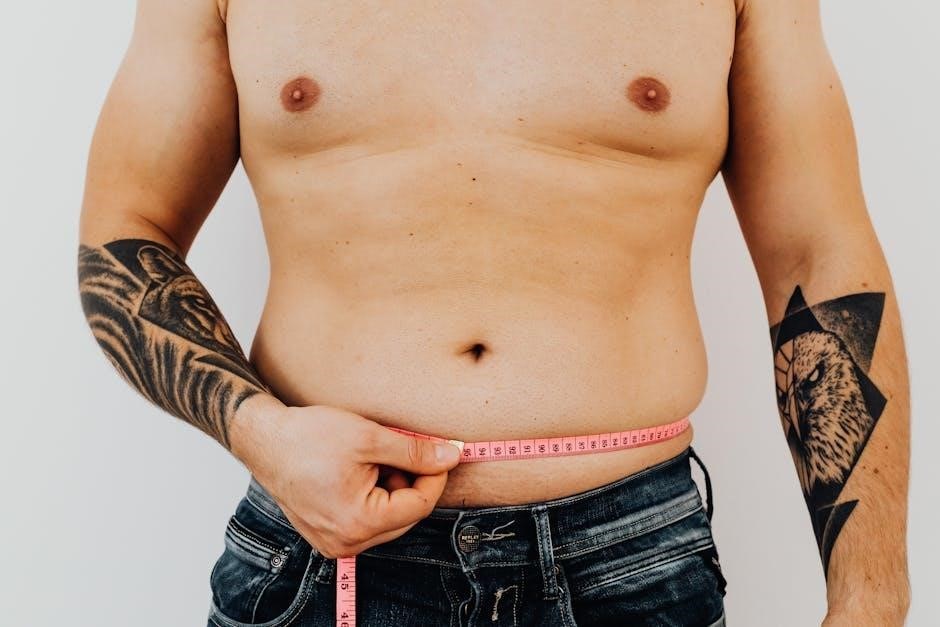
Accurate waist measurement is fundamental to a comfortable and flattering jeans fit. Unlike suit pants, jeans waist sizes often differ from your actual waist circumference. Traditionally, waist sizes are measured in inches, and can range significantly depending on body type and brand sizing conventions.
To determine your jeans waist size, measure your natural waistline – typically just above your hip bones – using a flexible measuring tape. Ensure the tape is snug but not constricting. Many men find they need to size up one or two inches from their actual waist measurement when purchasing jeans.
Consider the rise of the jeans; a lower rise may require a slightly larger waist size for comfort. Always check the brand’s specific size chart, as variations exist. A well-fitting waist should allow for comfortable movement without feeling overly tight or loose.
Leg Opening: Understanding Width
The leg opening of jeans significantly impacts the overall silhouette and aesthetic. It’s measured in inches and dictates how the jeans fall from the knee to the ankle, influencing both style and comfort. Different fits feature varying leg opening widths, catering to diverse preferences and body types.
Skinny jeans boast the narrowest leg opening, typically between 10-14 inches, creating a streamlined look. Slim fit jeans offer a slightly wider opening, around 14-16 inches, providing more room without sacrificing a modern silhouette. Straight leg jeans maintain a consistent width from thigh to ankle, usually 16-18 inches.
Bootcut jeans feature a wider leg opening, designed to accommodate boots, generally 19-21 inches. Relaxed and loose fits have the widest openings, exceeding 22 inches, offering maximum comfort and a more casual vibe. Choosing the right leg opening complements your body shape and desired style.
Jeans Fit Based on Body Type
Selecting jeans that complement your physique is crucial for a flattering fit; consider your build—athletic, slim, larger, tall, or shorter—to optimize style and comfort.
Understanding how different cuts interact with your body shape ensures a well-proportioned and confident look, enhancing your overall appearance.
Jeans for Athletic Builds
Men with athletic builds generally possess broader shoulders and a V-shaped torso, requiring jeans that balance proportions and accommodate muscular legs. Slim-fit and tapered-fit jeans are often excellent choices, providing enough room in the thighs and seat without appearing overly tight or restrictive.
Avoid skinny jeans, as they can accentuate the difference between your upper and lower body, creating an unbalanced silhouette. Straight-leg jeans can also work, but ensure they aren’t too loose, which can diminish your athletic physique.
Consider a mid-rise waist to comfortably sit at your natural waistline, and pay attention to the leg opening—a moderate width will complement your build. Stretch denim can enhance comfort and mobility, while darker washes often create a more streamlined appearance. Prioritize jeans that follow the natural line of your body without constricting movement, allowing you to showcase your athletic form confidently.
Jeans for Slim Builds
For men with a slim build, the goal is to add visual bulk and create a more proportionate silhouette. Straight-fit and relaxed-fit jeans are generally the most flattering options, providing enough structure without overwhelming the frame. Avoid skinny jeans, as they can emphasize a lack of muscle mass and appear disproportionate.
Consider a mid to high-rise waist to elongate the legs and create a more balanced look. Look for jeans with a slightly wider leg opening to add visual width to the lower body. Lighter to medium washes can also help create the illusion of more volume, while avoiding overly dark washes that can make you appear smaller.
Jeans with subtle detailing, such as whiskering or fading, can add dimension and visual interest. Focus on finding a comfortable fit that doesn’t cling too tightly, allowing for ease of movement and a more confident appearance.
Jeans for Larger Builds
Men with larger builds should prioritize comfort and a balanced silhouette. Straight-fit and relaxed-fit jeans are excellent choices, offering ample room without appearing overly baggy. Avoid skinny or slim-fit jeans, as they can accentuate areas you may prefer to minimize and restrict movement.
A mid-rise waist is generally the most flattering, providing support and avoiding discomfort. Opt for a darker wash, as darker colors have a slimming effect. Ensure the leg opening isn’t too narrow, allowing for comfortable movement and a proportionate look.
Look for jeans with a bit of stretch, such as those containing elastane, for added comfort and flexibility. Avoid excessive detailing or embellishments, which can add unnecessary bulk. Prioritize a well-fitting waistband to ensure a secure and comfortable fit throughout the day.
Jeans for Tall Men
Tall men often struggle with jeans that are simply too short in the inseam. Prioritize finding jeans with longer inseam options, typically 34 inches or greater, to avoid a cropped or awkward appearance. Straight-fit and tapered-fit jeans are generally the most flattering, creating a balanced proportion.
A mid-rise or high-rise waist can help balance a longer torso, preventing the jeans from appearing too low-slung. Consider a slightly wider leg opening to avoid a disproportionately narrow silhouette. Darker washes can visually shorten the leg line, while lighter washes may elongate it.
Don’t be afraid to explore custom tailoring to achieve the perfect fit. Ensure the jeans are long enough to cover most of your shoe without bunching excessively. A well-fitted pair of jeans will enhance your height and create a polished, sophisticated look.
Jeans for Shorter Men
Shorter men should focus on jeans that create the illusion of length. Avoid overly baggy or loose fits, as they can overwhelm the frame and make legs appear even shorter. Slim-fit and tapered-fit jeans are excellent choices, offering a streamlined silhouette. A lower rise can also help elongate the legs, but ensure comfort isn’t sacrificed.
Opt for darker washes and avoid excessive detailing like large pockets or distressing, which can break up the leg line. Consider a smaller leg opening to maintain proportion. Hemming is crucial; jeans should barely graze the top of your shoes.
Vertical details, like subtle whiskering, can add height. Avoid stacking at the ankles, as this visually shortens the legs. A well-fitted pair of jeans will create a longer, leaner appearance, boosting confidence and style.

Fabric and Wash Considerations
Denim weight, stretch content, and wash type significantly impact fit and feel; lighter weights offer comfort, stretch enhances movement, and washes define style.
Understanding these elements is key to selecting jeans that complement your body type and desired aesthetic, ensuring both comfort and a flattering silhouette.
Denim Weight and its Impact on Fit
Denim weight, measured in ounces, profoundly influences a jean’s fit, drape, and overall feel. Lighter-weight denim, typically ranging from 8 to 12 ounces, offers superior comfort and flexibility, making it ideal for warmer climates or everyday wear. These lighter fabrics tend to conform to the body more easily, resulting in a closer, more relaxed fit.
Mid-weight denim (12 to 14 ounces) strikes a balance between comfort and durability, providing a more structured fit that still allows for movement. Heavier-weight denim, exceeding 14 ounces, is exceptionally durable and holds its shape remarkably well, often requiring a break-in period.
Heavier denim generally provides a more rigid and substantial fit, best suited for classic styles like straight or relaxed fits. The weight also affects how the jeans drape – lighter weights drape more softly, while heavier weights maintain a more defined silhouette. Consider the season and your activity level when choosing denim weight to ensure optimal comfort and fit.
The Role of Stretch Denim
Stretch denim, incorporating elastane or spandex, has revolutionized men’s jeans fit, offering enhanced comfort and flexibility without sacrificing style. The addition of these fibers allows jeans to move with the body, accommodating a wider range of body types and activities. Stretch denim is particularly beneficial in slimmer fits, like slim or skinny jeans, where a close-to-the-body fit is desired.
The percentage of stretch fiber varies, influencing the level of elasticity. Lower percentages (1-3%) provide subtle stretch for improved comfort, while higher percentages (5-10%) offer significant give, ideal for active lifestyles.
However, be mindful that excessive stretch can lead to “blowout,” where the jeans lose their shape over time. Consider the balance between comfort and retention when selecting stretch denim, and prioritize quality construction for long-lasting fit. Stretch denim can also impact wash retention, potentially fading faster than rigid denim.
Wash Types: Light, Medium, and Dark
The wash of your jeans significantly impacts their overall aesthetic and how they complement your fit. Light washes, characterized by a faded appearance, offer a more casual and relaxed vibe, often showcasing more distressing. They tend to visually expand the leg, making them a good choice for leaner builds. Medium washes strike a balance between casual and refined, providing versatility for various occasions.

Dark washes, approaching raw denim in color, create a sleeker, more sophisticated look. They have a slimming effect and are suitable for both casual and dressier settings. The wash also influences the perceived structure of the jean; lighter washes often appear softer, while darker washes can appear more rigid.
Consider the occasion and your personal style when choosing a wash. Remember that lighter washes may show wear more prominently, while darker washes generally maintain their color longer.

Tips for Finding the Perfect Fit
Prioritize trying on multiple sizes and styles, checking for comfort and a flattering silhouette. Understand return policies and consider professional alterations for a truly customized fit.
Trying On Jeans: What to Look For
When trying on jeans, movement is key; squat, sit, and walk around to assess comfort and restriction. Ensure the waistband isn’t too tight or loose, allowing a comfortable, secure fit without gaping.
Check the length – a slight break (a small crease) is generally preferred, but consider your style and footwear. Avoid excessive bunching or jeans that drag on the floor.
Examine the seat and thigh areas; they should follow your body’s natural shape without being overly tight or baggy. Look for evenness and avoid pulling or straining.
Pay attention to the rise; it should sit comfortably on your waist without feeling too high or low. Consider how the rise affects your overall proportions and style. Finally, don’t hesitate to size up or down to find the perfect fit – sizes can vary between brands!
Understanding Return Policies
Before purchasing jeans, meticulously review the retailer’s return policy. Note the timeframe for returns – typically 30 to 60 days – and any specific conditions, such as unworn and unwashed status with tags attached.
Clarify whether returns are free, or if you’re responsible for shipping costs. Some retailers offer free returns, while others provide store credit instead of a full refund.
Understand the exceptions; certain items, like final sale or personalized jeans, may be non-returnable. Keep your receipt or order confirmation as proof of purchase.
If ordering online, familiarize yourself with the online return process, including generating return labels and packaging instructions. A clear understanding of the return policy ensures a hassle-free experience if the jeans don’t fit perfectly.
Professional Alterations for a Custom Fit
Even with careful selection, off-the-rack jeans may not achieve a perfect fit. Professional alterations offer a solution for a truly customized look. A skilled tailor can adjust the waist, inseam, and leg opening to flatter your body shape.
Consider tapering the legs for a more modern silhouette, or shortening the inseam for a cleaner break. Waist adjustments are crucial for comfort and a secure fit. Don’t hesitate to bring your jeans and shoes to the tailor for accurate length adjustments.
While alterations add cost, they significantly enhance the overall appearance and wearability of your jeans. Investing in alterations transforms a good pair of jeans into a great, personalized wardrobe staple.