Orea Rental Application Form 410 Fillable: A Comprehensive Guide
Form 410, developed by the Ontario Real Estate Association (OREA), is a standard tool for landlords․ It efficiently gathers applicant details for tenant screening processes, ensuring legal compliance․
Understanding Orea and its Forms
The Ontario Real Estate Association (OREA) is a professional organization representing over 50,000 real estate professionals across Ontario․ Established to advocate for the industry and its members, OREA plays a crucial role in shaping real estate practices and legislation within the province․

A core function of OREA is the development of standardized forms, designed to streamline real estate transactions and ensure clarity for all parties involved․ These forms, including the widely used Form 410 – the Residential Rental Application, are regularly updated to reflect changes in Ontario law and best practices․
OREA’s commitment to providing these resources demonstrates its dedication to professionalism and consumer protection․ The forms are not merely templates; they are carefully crafted documents intended to mitigate risk and facilitate legally sound agreements․ Landlords frequently utilize OREA’s renter application to comprehensively screen potential tenants․ Using these standardized forms helps maintain consistency and reduces potential disputes․
Members of OREA have the right to use and reproduce these forms, ensuring broad accessibility within the Ontario real estate market․
The Purpose of Form 410
Form 410, officially titled the Ontario Residential Rental Application, serves as a comprehensive information-gathering tool for landlords and property managers․ Its primary purpose is to facilitate a thorough tenant screening process, enabling informed decisions about rental approvals․
The form requests detailed information from prospective tenants, encompassing rental history, employment details, income verification, and credit check authorization․ This data allows landlords to assess an applicant’s financial stability and past tenancy behavior․
Crucially, Form 410 isn’t simply a request for personal details; it’s designed to comply with Ontario’s landlord-tenant laws, specifically regarding permissible information requests․ It helps landlords avoid discriminatory practices and ensures a fair and legally defensible selection process․

By utilizing Form 410, landlords aim to minimize the risk of future rental arrears, property damage, or lease violations․ It provides a standardized framework for evaluating applicants, promoting consistency and reducing potential legal challenges․ The form also includes sections for emergency contacts and consent statements, further enhancing its utility․
Where to Find the Fillable Form 410
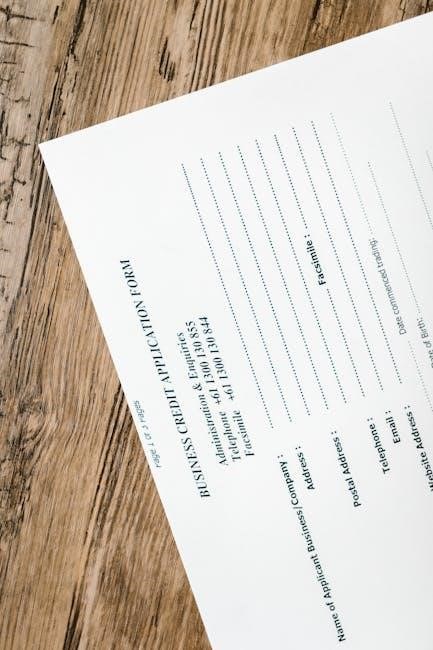
Locating the official, fillable Orea Form 410 is straightforward․ The primary source is the Ontario Real Estate Association (OREA) website․ While direct links can change, navigating to the OREA website and searching for “Rental Application Form 410” will yield the most current version․
Several third-party websites also host the form, but it’s crucial to verify the source to ensure you’re using the latest, legally compliant version․ Look for websites explicitly stating they are providing the official OREA form․ Be cautious of sites offering outdated or altered versions․
You can typically find both a downloadable PDF version and an interactive, fillable online version․ The fillable version allows direct input of information, while the PDF requires printing, completion by hand, and then scanning or physical submission․
Always prioritize obtaining the form directly from OREA or a trusted source to avoid potential issues related to outdated clauses or unauthorized modifications․ Remember to check the revision date on the form to confirm its currency․
Accessing the Form Online
The online access to the Orea Form 410 provides a convenient, digital experience for both landlords and prospective tenants․ Typically, accessing the form online involves navigating to the OREA website or a reputable real estate resource platform hosting the official form․ Once located, you’ll usually find an option to “Fill Online” or a similar prompt․
This initiates an interactive form within your web browser․ You can directly type information into the designated fields, eliminating the need for printing and manual completion․ Many online versions offer features like auto-saving, ensuring your progress isn’t lost․
However, ensure your browser is up-to-date for optimal compatibility․ Some older browsers may experience display or functionality issues with the form’s interactive elements․ Security is paramount; verify the website uses a secure (HTTPS) connection before entering any personal information․
After completion, the online form usually allows you to download a completed PDF copy for your records or submit it directly to the landlord, depending on the platform’s capabilities․
Downloading the PDF Version
Downloading the Orea Form 410 as a PDF offers flexibility for offline completion and printing․ Typically, the OREA website or associated real estate portals provide a direct download link for the form․ Clicking this link will initiate the download to your computer or device․
Ensure you have a PDF reader installed, such as Adobe Acrobat Reader, to open and view the downloaded file․ Once opened, you can manually fill in the form fields using a computer or print it for handwritten completion․ Remember to use black ink if filling by hand for clear readability․
When downloading, always verify the source to ensure you’re obtaining the official and most current version of Form 410․ Outdated versions may lack essential clauses or be non-compliant with current regulations; Save the downloaded PDF to a secure location on your device to prevent accidental deletion or unauthorized access․
After completing the PDF, you can digitally sign it using a PDF editor or print, sign, and scan it for submission to the landlord․
Navigating the Form Sections
Orea Form 410 is structured into distinct sections to comprehensively gather applicant information․ The form begins with Applicant Information, requesting personal details like name, contact information, and date of birth․ Following this is the Rental History Details section, requiring addresses of previous residences and landlord contact information․
A crucial part is Employment and Income Verification, where applicants detail their employment status, income sources, and employer contact details․ This is followed by the Credit Check Authorization section, granting permission for the landlord to conduct a credit check․
If applicable, a Guarantor Information section allows for the inclusion of a guarantor’s details․ Essential safety information is requested in the Emergency Contact Details section․ Finally, Consent and Disclosure Statements outline important legal agreements and disclosures․
Carefully review each section before completing it, ensuring all information provided is accurate and truthful․ Understanding the purpose of each section will streamline the application process and increase your chances of approval․
Applicant Information Section
The Applicant Information Section of Orea Form 410 is the foundational element of the rental application․ It begins with requesting your full legal name, ensuring consistency with official identification․ Accurate contact details – current address, phone number, and email address – are vital for communication․
You’ll be asked to provide your date of birth, which assists landlords in verifying identity and assessing risk․ The form also requests the number of occupants who would reside in the rental property․ This is crucial for ensuring compliance with occupancy limits․
Providing a valid Social Insurance Number (SIN) is optional, but may be requested for credit check purposes․ Landlords may also ask about your intended length of tenancy, helping them plan for future vacancies․
Honesty and accuracy are paramount in this section․ Any discrepancies could raise red flags and potentially jeopardize your application․ Double-check all entries before submitting the form․
Rental History Details
The Rental History Details section of Orea Form 410 is critical for landlords to assess your reliability as a tenant․ You’ll typically be asked to list your previous addresses for the past two to three years, including landlord contact information – names and phone numbers․
Providing accurate details about your rental payments is essential․ Landlords will want to know the monthly rent amount and whether you consistently paid on time․ Be prepared to explain any instances of late payments or disputes․
The form may also inquire about the reasons for leaving your previous rentals․ Honest and concise explanations are best; avoid negativity towards former landlords․ Highlight positive experiences and demonstrate responsible tenancy․
Landlords often contact previous landlords for references․ Having a positive rental history significantly strengthens your application․ Ensure your previous landlords are aware you’ve provided their contact information․
Completing this section thoroughly demonstrates transparency and builds trust with potential landlords․
Employment and Income Verification
The Employment and Income Verification section of Orea Form 410 allows landlords to assess your financial stability․ You’ll be required to provide details about your current employment, including your employer’s name, address, and phone number․
Accurately stating your position and length of employment is crucial․ Landlords may contact your employer to verify this information․ Be prepared to provide pay stubs or other documentation as proof of income․
If you are self-employed, you’ll need to provide details about your business and income sources․ Tax returns or a letter from your accountant may be required to substantiate your income claims․
Clearly indicate your gross monthly income․ This helps the landlord determine if you can comfortably afford the rent․ Honesty is paramount; misrepresenting your income can lead to application denial․
Providing complete and verifiable employment and income information demonstrates your ability to fulfill your financial obligations as a tenant, increasing your chances of approval․
Credit Check Authorization
Orea Form 410 includes a crucial Credit Check Authorization section․ Landlords utilize credit checks to evaluate your financial responsibility and assess potential risks associated with renting to you․ This section requires your explicit consent for the landlord to access your credit report․
By signing this authorization, you grant permission for the landlord or a designated credit reporting agency to obtain a copy of your credit history․ This report reveals details about your past borrowing behavior, including payment history, outstanding debts, and any bankruptcies․
Understand that a poor credit score doesn’t automatically disqualify you, but it may require further explanation or a larger security deposit․ Landlords are looking for a pattern of responsible financial management․
Carefully review the authorization language before signing․ Ensure you understand what information will be accessed and how it will be used․ You typically have the right to request a copy of your credit report․
Providing authorization is standard practice, and refusing may hinder your application․ A strong credit history significantly strengthens your rental application․
Guarantor Information (If Applicable)
The Orea Form 410 includes a Guarantor Information section for situations where an applicant requires a financial backer․ This is common for students, individuals with limited credit history, or those with insufficient income to independently meet rental obligations․
A guarantor is someone who legally agrees to cover the rent and any damages if the tenant defaults on the lease agreement․ The guarantor must demonstrate strong financial stability and a good credit history․
This section of the form requires detailed information about the guarantor, including their full name, address, contact details, employment history, and income verification․ Similar to the applicant, the guarantor may also need to authorize a credit check․
Both the tenant and the guarantor must fully understand the legal implications of this arrangement․ The guarantor is equally responsible for fulfilling the lease terms․
Providing a reliable guarantor can significantly increase your chances of approval, especially if your own financial profile is less established․ Ensure the guarantor is willing and capable of fulfilling their obligations․
Emergency Contact Details
The Orea Form 410 dedicates a section to Emergency Contact Details, a crucial component for responsible tenancy․ This information allows landlords or property managers to reach someone in unforeseen circumstances where the tenant is unavailable․
This section isn’t intended for routine communication; it’s strictly for emergencies – situations like medical incidents, property damage requiring immediate attention, or urgent matters impacting the tenant’s safety or the property itself․
Applicants are required to provide the full name, relationship to the tenant, phone number, and address of their emergency contact․ It’s vital to obtain consent from the designated contact before providing their information․
Landlords will only utilize this information when necessary and will prioritize the tenant’s well-being․ Maintaining accurate and up-to-date emergency contact details demonstrates responsible tenant behavior․
Regularly informing your landlord of any changes to your emergency contact is essential․ This ensures they can reach someone reliable when you cannot be reached, providing peace of mind for both parties․
Consent and Disclosure Statements

Orea Form 410 incorporates vital Consent and Disclosure Statements, ensuring transparency and legal compliance throughout the rental process․ These statements outline the applicant’s agreement to specific conditions and authorize necessary procedures․
A key component is the Credit Check Authorization, granting the landlord permission to access the applicant’s credit report․ This allows for a thorough assessment of financial responsibility․ Applicants must acknowledge and consent to this check․
The form also includes disclosures regarding the collection and use of personal information, adhering to privacy regulations․ Applicants are informed about how their data will be handled and protected․
Furthermore, there are statements confirming the applicant’s accuracy in providing the information contained within the form․ Misrepresentation can have legal consequences․

By signing Form 410, applicants acknowledge they’ve read, understood, and agree to the outlined terms and conditions․ Carefully reviewing these statements before signing is crucial for a smooth and legally sound tenancy․
Understanding the Orea Standard Clauses
Orea Standard Clauses within Form 410 are pre-set provisions designed to protect both landlords and tenants, ensuring a legally sound rental agreement․ These aren’t meant to be altered, maintaining a consistent and fair framework․
These clauses cover essential aspects like payment terms, late fees, and the process for handling lease violations․ They establish clear expectations and minimize potential disputes․ OREA bears no liability if these are modified․
The form includes clauses addressing property maintenance responsibilities, outlining who is accountable for repairs and upkeep․ This prevents misunderstandings regarding property condition․

Standard clauses also detail rules regarding pets, smoking, and alterations to the property, providing clarity on acceptable usage․ These provisions are crucial for maintaining property standards․
Understanding these pre-defined clauses is vital for both parties․ They represent industry best practices and are aligned with Ontario’s landlord-tenant laws․ Familiarizing yourself with them promotes a harmonious rental relationship․
Ontario Landlord-Tenant Law and Form 410
Form 410, while a comprehensive application, operates within the framework of Ontario’s Residential Tenancies Act, 2006․ Landlords must adhere to this legislation throughout the entire rental process, from application to tenancy termination․
The Act dictates permissible information landlords can request․ Form 410 is designed to facilitate gathering legally compliant data, avoiding discriminatory practices․ Requests must be relevant to assessing tenant suitability․
Landlords are legally obligated to screen applicants fairly and consistently․ Utilizing a standardized form like Form 410 helps demonstrate this impartiality, reducing legal risks․
The Act outlines rules regarding credit checks and consent․ Form 410 includes a specific section for obtaining written authorization before conducting a credit inquiry, ensuring compliance․
Understanding the Act’s provisions on privacy is crucial․ Landlords must protect applicant information collected through Form 410 and use it solely for evaluating rental applications․ Failure to comply can result in penalties․
Tenant Screening Practices Using Form 410
Form 410 serves as a central tool in a robust tenant screening process․ Landlords utilize the collected information to assess risk and ensure responsible tenancy․ A thorough review of the applicant’s rental history is paramount, verifying past performance and identifying potential red flags․
Employment and income verification, facilitated by the form, confirms the applicant’s ability to consistently meet rental obligations․ This often involves contacting employers or requesting pay stubs․
Credit checks, with proper authorization obtained via Form 410, provide insight into financial responsibility․ Landlords analyze credit reports for payment history and outstanding debts․
Consistent application of screening criteria is vital․ Using Form 410 ensures all applicants are evaluated using the same standards, minimizing the risk of discrimination claims․
Documenting the entire screening process, including the information gathered from Form 410 and the rationale behind the decision, is crucial for legal protection․ This demonstrates a fair and transparent process․
Common Mistakes to Avoid When Filling Out Form 410
Incomplete information is a frequent error․ Applicants must diligently complete all sections of Form 410; leaving fields blank can delay processing or raise suspicion․ Illegible handwriting poses another challenge, making information difficult to decipher․ Printing clearly or utilizing the fillable digital version is recommended․
Inaccurate details, such as incorrect employment history or income figures, can lead to disqualification․ Honesty and precision are paramount․ Failing to disclose prior evictions or legal issues is a serious oversight․
Missing signatures render the application invalid․ Both the applicant and, if applicable, the guarantor must sign and date the form․ Overlooking the consent and disclosure statements is also a common mistake; these authorize crucial background checks․
Altering the pre-set portions of the OREA form is strictly prohibited․ The standardized sections are legally binding and must remain unchanged․ Ensure you are using the most current version of Form 410, as revisions occur․
Tips for a Successful Rental Application
Preparation is key․ Gather all necessary documents – identification, proof of income, rental history – before starting Form 410․ A complete application demonstrates seriousness and organization․ Present a positive rental history; provide contact information for previous landlords who can vouch for your reliability․
Honesty and transparency are crucial․ Disclose all relevant information, even potentially negative aspects, proactively․ Explain any past issues honestly․ A clean credit report significantly boosts your chances; obtain a copy beforehand to address any discrepancies․

Professional presentation matters․ Complete the form neatly, whether handwritten or digitally․ Proofread carefully for errors in grammar and spelling; A well-presented application reflects positively on your character․
Be responsive․ Promptly provide any additional information requested by the landlord or property manager․ Follow up politely to inquire about the application status․ Demonstrating enthusiasm and initiative can set you apart․
Security Considerations When Submitting Online
Submitting Form 410 online requires vigilance․ Ensure the website is secure – look for “https://“ in the address bar and a padlock icon, indicating encrypted data transmission․ Avoid using public Wi-Fi networks for sensitive submissions; opt for a secure, private connection․
Beware of phishing attempts․ Landlords or property managers will typically communicate through official email addresses․ Be cautious of unsolicited emails requesting personal information or directing you to suspicious websites․ Verify the sender’s identity before clicking any links․
Protect your personal information․ Avoid saving completed Form 410 copies on unsecured devices or cloud storage; Consider redacting sensitive information, like social insurance numbers, before submitting if not explicitly required․
Utilize strong passwords and enable two-factor authentication where available․ Regularly update your antivirus software and operating system to protect against malware․ Report any suspected security breaches immediately to the relevant authorities․
Alternatives to Form 410
While OREA’s Form 410 is widely used, landlords have alternatives․ Some utilize customized rental applications tailored to their specific needs, often created with online form builders․ These allow for greater flexibility in data collection but may lack the standardized legal framework of Form 410․
Third-party tenant screening services often include their own application forms integrated with credit checks and background reports․ These services streamline the process but come with associated fees․ Examples include services offering comprehensive tenant reports․
Provincial standard lease agreements sometimes incorporate application sections, though these are generally less detailed than Form 410․ Landlords may supplement these with additional questionnaires․
However, it’s crucial to ensure any alternative complies with Ontario’s Landlord-Tenant Act and privacy legislation․ Using a non-compliant form could lead to legal challenges․ Consulting with a legal professional is advisable when deviating from the standard OREA form․
Recent Updates to Form 410 (as of 12/12/2025)
As of December 12, 2025, OREA Form 410 underwent a minor revision focusing on clarifying data privacy protocols․ Updates reflect evolving regulations regarding the collection, use, and storage of applicant information, aligning with recent amendments to Ontario’s privacy laws․
The revised form includes more explicit consent language regarding credit checks and background screenings, ensuring applicants are fully informed․ OREA also updated the disclosure statements to address potential biases in tenant screening practices, promoting fair housing․
Minor wording adjustments were made throughout the form to enhance clarity and readability․ The OREA website now features a dedicated FAQ section addressing common questions about the updated form and its implications for landlords and applicants․
Landlords are advised to discard older versions of Form 410 and utilize the latest iteration available on the OREA website to ensure compliance and mitigate legal risks․ The form is dated with a revision year for easy identification․
Resources for Landlords and Tenants
For landlords seeking comprehensive guidance on utilizing OREA Form 410, the Ontario Real Estate Association (OREA) website (orea․com) provides detailed instructions, FAQs, and best practice recommendations․ Landlord associations, such as the Greater Toronto Landlords Association, also offer workshops and resources․
Tenants can access information regarding their rights and responsibilities through the Tribunals Ontario website, specifically the Landlord and Tenant Board (LTB)․ The LTB provides access to forms, guides, and dispute resolution services․ Legal Aid Ontario offers assistance to eligible tenants facing housing-related legal issues․
Several online platforms offer free legal information and templates related to Ontario tenancy law․ Additionally, the Ontario Human Rights Commission provides resources on fair housing and preventing discrimination in the rental process․
Nereosoft provides software solutions related to rental applications․ Remember to always consult with a legal professional for specific advice tailored to your situation․
The Role of Orea in Ontario Real Estate
The Ontario Real Estate Association (OREA) plays a pivotal role in shaping the province’s real estate landscape․ As a professional organization representing over 80,000 real estate professionals, OREA advocates for responsible homeownership and the integrity of the real estate market․
A key function of OREA is the development of standardized forms, including the widely used Form 410 – the Ontario Residential Rental Application․ These forms are designed to ensure clarity, consistency, and legal compliance in real estate transactions, protecting both landlords and tenants․
OREA provides its members with ongoing education, professional development, and advocacy services․ They actively engage with government and policymakers to influence legislation impacting the real estate industry․
The association’s commitment to ethical standards and professional practice contributes to a trustworthy and efficient real estate system in Ontario․ Form 410 is a prime example of OREA’s dedication to providing practical tools for its members and the broader public․