The Honda RSX, celebrated for its sporty handling, often featured a responsive manual transmission. Enthusiasts appreciate its engaging driving experience, with both 5 and 6-speed options available.
Overview of the RSX and its Transmission Options
The Acura RSX (2002-2006), known as the Honda RSX in some markets, was a compact sports coupe designed to appeal to driving enthusiasts. It offered a blend of practicality and performance, with a focus on a fun-to-drive experience. Key to this was the availability of manual transmissions. Base models typically came equipped with a 5-speed manual, while the higher-performance Type-S variant boasted a more sophisticated 6-speed manual gearbox.
These transmissions were integral to the RSX’s character, providing precise control and a direct connection to the engine. Automatic transmission options were also available, but the manuals were favored by those seeking maximum engagement.
Why the Manual Transmission is Popular in the RSX
The RSX’s manual transmissions are highly sought after due to the enhanced driving experience they provide. Owners consistently praise the direct feel and control offered by the 5 and 6-speed gearboxes. The manual allows for greater engagement with the engine, enabling precise gear selection and maximizing the car’s sporty potential.
Furthermore, the RSX’s manual options are often preferred for modification and performance upgrades, as they offer a more robust platform for increased power. The engaging nature of the manual transmission contributes significantly to the RSX’s appeal among car enthusiasts.
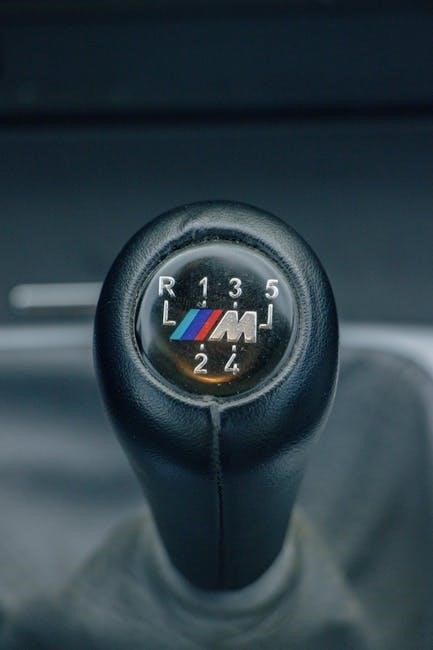
RSX Transmission Types & Identification
The RSX offered two manual transmission choices: a 5-speed in base models and a more refined 6-speed in the performance-oriented Type-S variant, differing in ratios.
5-Speed Manual Transmission (Base Models)
Found in the standard RSX, the 5-speed manual transmission provides a direct and engaging driving experience, though it’s geared more towards everyday usability than outright performance. It’s known for its relative simplicity and durability, making it a reliable choice for higher-mileage vehicles. While not offering the close ratios of the 6-speed, it still allows for confident gear changes and good control. Owners often report a smooth shift feel, suitable for daily commutes and spirited drives alike. Identifying this transmission typically involves checking the vehicle’s build sticker or transmission code.
6-Speed Manual Transmission (Type-S Models)
The RSX Type-S boasts a more performance-oriented 6-speed manual transmission, designed to maximize the engine’s potential. Featuring closer gear ratios, it allows the driver to stay within the powerband more effectively, enhancing acceleration and responsiveness. This transmission is highly sought after by enthusiasts for its precise shifting feel and overall driving engagement. It’s generally considered more robust than the 5-speed, though still susceptible to age-related wear. Identifying the 6-speed is crucial when sourcing parts or performing maintenance, often confirmed via the vehicle’s VIN or transmission code.
Identifying Your RSX Transmission
Determining which manual transmission your RSX has is vital for correct parts sourcing and repair procedures. The easiest method is checking the vehicle’s VIN with a Honda parts database. Base models typically feature the 5-speed, while Type-S models are equipped with the 6-speed. Visually, the 6-speed often has a slightly different shifter linkage. Examining the transmission code stamped onto the casing can also provide definitive identification. Online forums and RSX communities offer resources to decode these numbers. Accurate identification prevents compatibility issues during maintenance or upgrades.
Common RSX Manual Transmission Problems
RSX manual transmissions can develop issues with synchronizers, leading to grinding gears. Clutch failure, including slipping or sticking, is also frequently reported by owners.
Synchro Issues: A Frequent Complaint
Synchro mesh problems are a remarkably common issue reported by Honda RSX owners, particularly those with higher mileage. These issues typically manifest as difficulty shifting into specific gears, most notably 2nd and 3rd. Grinding noises during gear changes are a key indicator of worn or failing synchronizers. The root cause often stems from normal wear and tear, exacerbated by aggressive driving habits or infrequent transmission fluid changes. Ignoring these symptoms can lead to further damage within the transmission, potentially requiring a complete rebuild or replacement. Proper diagnosis and timely repair are crucial to maintaining the RSX’s enjoyable driving experience.
Grinding Gears and Potential Causes
Hearing grinding noises when shifting your Honda RSX’s manual transmission is a clear sign of trouble. Several factors can contribute to this issue. Worn synchronizers, as previously mentioned, are a primary culprit, failing to properly match gear speeds. Low or contaminated transmission fluid reduces lubrication, increasing friction and noise. A worn clutch can also cause grinding, as it doesn’t fully disengage the engine from the transmission. Less common causes include bent shift forks or damaged gear teeth. Thorough inspection and diagnosis are essential to pinpoint the exact source of the grinding and prevent further damage.
Clutch Problems: Slipping, Sticking, and Failure
The RSX manual transmission’s clutch is a frequent point of concern for higher-mileage vehicles. Clutch slippage, indicated by high engine RPMs with minimal acceleration, often signals a worn clutch disc. A sticking clutch pedal, or difficulty shifting, suggests issues with the clutch cable, master cylinder, or slave cylinder. Complete clutch failure can leave you stranded, unable to engage or disengage gears. Contamination from oil or grease, a worn pressure plate, or a failing throw-out bearing can all contribute to these problems. Regular inspection and timely replacement are crucial.

RSX Manual Transmission Maintenance
Consistent fluid checks and changes are vital for a healthy RSX manual transmission. Inspect the clutch for wear, and ensure proper adjustment for smooth operation and longevity;
Regular Fluid Checks and Changes
Maintaining the correct transmission fluid level and condition is paramount for the longevity of your RSX’s manual gearbox. Regularly check the fluid – ideally every 30,000 miles or two years, whichever comes first – for both level and color. Healthy fluid should be a clear amber; dark or murky fluid indicates contamination and the need for a change.
A fluid change should be performed every 30,000-60,000 miles depending on driving conditions. Neglecting this simple maintenance can lead to premature wear of synchronizers and bearings, ultimately resulting in costly repairs. Always ensure the correct fluid type is used, as specified in your RSX’s owner’s manual.
Recommended Transmission Fluid Types
For the Honda RSX manual transmission, Honda Genuine Manual Transmission Fluid (MTF) is the universally recommended choice. This fluid is specifically formulated to provide optimal lubrication and protection for the gearbox’s internal components, ensuring smooth shifting and long-term durability.
While some owners have experimented with aftermarket synthetic fluids, using anything other than Honda MTF can potentially void warranty claims and may not offer the same level of performance or compatibility. Avoid using automatic transmission fluid, as it has different properties and will likely cause damage. Stick with the factory recommendation for best results.
Clutch Inspection and Adjustment
Regular clutch inspection is crucial for maintaining optimal RSX manual transmission performance. Check for signs of wear, such as a soft pedal feel, slipping during acceleration, or difficulty engaging gears. Inspect the clutch disc for glazing or damage when accessible.
Adjustment, if needed, typically involves checking and potentially adjusting the clutch cable free play. Proper free play ensures complete clutch disengagement and prevents dragging. Consult the RSX service manual for specific adjustment procedures and torque specifications to avoid damaging components. Ignoring clutch issues can lead to costly repairs.

RSX Manual Transmission Repair & Rebuild
Addressing RSX transmission issues ranges from DIY fixes to professional rebuilds. Costs vary significantly depending on the extent of damage and labor involved in the repair.
DIY Repair Considerations
Attempting RSX manual transmission repairs yourself requires significant mechanical skill and specialized tools. Thorough research and a detailed repair manual are essential before starting. Common DIY tasks include clutch replacement, though even this can be complex. Internal transmission work, like synchro replacement, is best left to professionals due to the precision needed and potential for further damage. Ensure you have a clean workspace, proper safety equipment, and understand torque specifications. Incorrect assembly can lead to catastrophic failure, so honestly assess your abilities before proceeding. Consider the time investment as well; it’s substantial.
Professional Rebuild Services
For complex RSX manual transmission issues, professional rebuild services are highly recommended. Specialized shops possess the expertise, tools, and parts to diagnose and rectify internal damage accurately. A rebuild typically involves complete disassembly, inspection of all components, replacement of worn parts (synchros, bearings, seals), and meticulous reassembly. Expect a detailed report outlining the work performed and any discovered issues. While more expensive than DIY, a professional rebuild offers peace of mind and a significantly higher chance of a lasting repair, restoring the transmission to optimal performance and reliability.
Cost of RSX Manual Transmission Repair/Replacement
RSX manual transmission repair costs vary widely depending on the issue and labor rates. Simple fixes, like a clutch replacement, might range from $500 to $1000. More complex repairs, such as synchro replacement or gear work, can easily exceed $1500-$2500. A complete transmission rebuild typically falls between $2000 and $3500, including parts and labor. Used transmission replacements can be found for $800-$1800 plus installation ($500-$800). These are estimates; obtaining quotes from multiple shops is crucial for accurate pricing based on your specific needs and location.
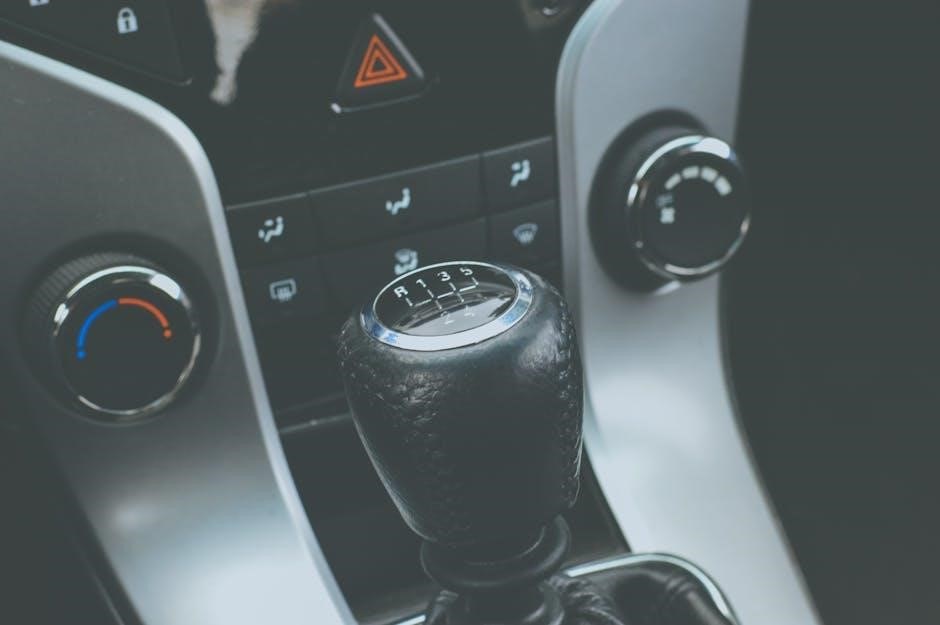
RSX Manual Transmission Modifications & Upgrades
Enhance your RSX’s driving feel with upgrades like short shifters, lightweight flywheels, and clutch kits. Gear ratio changes can further optimize performance for specific driving styles.
Short Shifters for Improved Feel
RSX short shifters dramatically reduce the throw between gears, creating a more direct and connected driving experience. This modification minimizes wasted motion, allowing for quicker and more precise shifts. Several aftermarket options are available, ranging in adjustability and price point. Installation is generally straightforward for mechanically inclined owners, though professional installation is recommended for those unfamiliar with transmission components. Benefits include a sportier feel, improved shift accuracy, and a more engaging driving experience. Consider the level of reduction desired – more aggressive shifters may require acclimation. Ultimately, a short shifter is a popular and effective upgrade for RSX enthusiasts seeking enhanced control.
Lightweight Flywheels and Clutch Kits
Upgrading to a lightweight flywheel significantly impacts the RSX’s engine responsiveness. Reducing rotational mass allows the engine to rev more freely and quickly, enhancing acceleration. Pairing this with a performance clutch kit – offering increased clamping force – prevents slippage during spirited driving. Clutch kits often include a pressure plate, disc, and release bearing. Installation requires transmission removal, making it a more involved process. Consider the driving style; aggressive clutches can be harder to engage for daily use. A balanced combination improves performance and reliability, offering a noticeable improvement in the RSX’s driving dynamics.
Gear Ratio Changes for Performance
Altering the RSX’s final drive ratio, or individual gear ratios, can dramatically reshape its performance characteristics. Shorter ratios prioritize acceleration, beneficial for autocross or track events, but may sacrifice top-end speed. Longer ratios enhance highway cruising and fuel economy, potentially diminishing initial responsiveness. Swapping gears involves dismantling the transmission, requiring specialized tools and expertise. Careful consideration of intended use is crucial. A common approach is a slightly adjusted final drive, balancing improved acceleration with acceptable highway manners. Proper setup and professional installation are vital for optimal results and longevity.
RSX Power Steering Conversion (Electronic)
Converting to electronic power steering (EPS) offers adjustable assistance and weight reduction. This DIY modification eliminates the traditional pump, simplifying the engine bay and improving efficiency.
Benefits of Electronic Power Steering
Switching to an electronic power steering (EPS) system in your RSX unlocks several advantages over the factory hydraulic setup; Primarily, EPS offers adjustable steering feel, allowing drivers to customize the assistance level to their preference – lighter for city driving, heavier for spirited handling. Removing the power steering pump and associated lines reduces parasitic drag on the engine, potentially yielding slight horsepower gains and improved fuel economy.
Furthermore, EPS systems are generally more reliable long-term, eliminating concerns about pump failure and fluid leaks. The simplified design also frees up valuable engine bay space, beneficial for other modifications. Finally, EPS can contribute to a cleaner, more modern aesthetic under the hood.
DIY Conversion Process
The RSX electronic power steering conversion involves removing the existing hydraulic system and installing the EPS unit. This begins with disconnecting the battery and draining the power steering fluid. Next, carefully remove the pump, reservoir, and high-pressure lines. Mounting the EPS motor requires a specific bracket, often purchased as part of a conversion kit.
Wiring is crucial; connect the EPS control module and motor according to the provided instructions. Ensure proper grounding and secure all connections. Finally, calibrate the system using the included software, adjusting settings for desired steering feel. Thorough testing is vital before regular use.
Components Required for Conversion
A complete RSX electronic power steering conversion necessitates several key components. Primarily, you’ll need the EPS motor and control module, specifically designed for Honda applications. A mounting bracket is essential to securely attach the motor to the steering column. Wiring harnesses and connectors are crucial for proper electrical integration.
Additionally, a calibration interface (often USB-based) and software are required for system setup. Some kits include a new steering column shaft or adapter. Don’t forget necessary hardware like bolts, zip ties, and potentially a new steering wheel hub for compatibility.
RSX SRS Light Troubleshooting
The SRS light can illuminate due to various issues. Resetting the light is a first step, but diagnosing the underlying cause—often sensor or wiring related—is vital.
Resetting the SRS Light
Attempting to reset the SRS (Supplemental Restraint System) light is often the initial troubleshooting step. The process typically involves turning the ignition to the “ON” position without starting the engine. Observe the SRS light; it will likely remain illuminated. Then, turn the ignition “OFF”, and repeat this cycle several times – often three to four attempts are needed. Timing is crucial; some sources suggest a specific on/off duration. If successful, the SRS light will extinguish. However, remember that resetting only clears the code; the underlying problem persists and requires further diagnosis to prevent recurrence and ensure safety.
Common Causes of SRS Light Illumination
The SRS light illuminates when the system detects a fault within the airbag deployment system. Common culprits include issues with the airbag sensors located throughout the vehicle, or a problem within the SRS control module itself. A faulty clock spring, responsible for maintaining electrical connection to the airbag, is another frequent cause. Seatbelt pretensioner malfunctions can also trigger the light. Occasionally, a simple low battery voltage or previous collision repair can introduce errors. Proper diagnostic procedures are essential to pinpoint the exact source of the issue for safe and effective repair.
Diagnostic Procedures for SRS Issues
Diagnosing SRS issues requires a specialized scan tool capable of reading SRS codes. Begin by attempting to reset the light, though repeated attempts may be needed. If the light persists, retrieve the diagnostic trouble codes (DTCs) to identify the affected system. Inspect wiring harnesses and connectors for damage or corrosion. Test individual sensors and the clock spring for continuity and proper function. A multimeter is crucial for this step. Consult a wiring diagram for accurate pin locations. Always disconnect the battery before working on the SRS system to prevent accidental deployment.
RSX AC System Troubleshooting
RSX AC problems often stem from the TXV, compressor, or pressure switch. Thorough diagnostics are essential before replacing components, avoiding unnecessary expenses and ensuring proper cooling.
Common AC Problems and Solutions
Diagnosing RSX AC issues requires a systematic approach. A common problem is a failing compressor, often indicated by a lack of cold air or unusual noises. The TXV (Thermal Expansion Valve) can become clogged, restricting refrigerant flow and reducing cooling efficiency. Pressure switches, crucial for system safety, may fail, preventing the compressor from engaging.
Solutions include refrigerant recharge (after leak repair), compressor replacement, TXV cleaning or replacement, and pressure switch testing/replacement. Before component replacement, verify proper electrical signals and check for blockages in the system. A climate control unit diagnostic can also pinpoint issues.
TXV, Compressor, and Pressure Switch Issues
The RSX AC system’s TXV regulates refrigerant flow; a clogged TXV restricts cooling. Compressor failures often stem from internal wear or lack of lubrication, resulting in warm air. Pressure switches monitor system pressure – a faulty high-pressure switch can prevent compressor operation as a safety measure.
Troubleshooting involves checking TXV operation, compressor clutch engagement, and switch continuity. Replacing these components often resolves AC problems, but proper evacuation and recharge are essential. Ignoring these issues can lead to further damage and costly repairs within the entire AC system.
Climate Control Unit Diagnostics
The RSX climate control unit manages airflow and temperature. Diagnostic steps begin with verifying power and ground connections. Inspect the control panel for illuminated error codes, which can pinpoint specific faults. A malfunctioning unit may display incorrect temperatures or fail to activate the compressor.
Testing the unit often involves checking the blower motor resistor and mode door actuators. Using a multimeter, confirm proper voltage signals to these components. If the unit is unresponsive, consider a replacement or professional repair, as internal component failure is common.
RSX Wheel Offset Considerations
Proper wheel offset is crucial for handling and aesthetics. Positive offsets are generally recommended for the RSX, adjusting based on wheel width to ensure correct fitment.
Understanding Wheel Offset
Wheel offset is the distance between a wheel’s mounting surface and its centerline. It’s a critical factor influencing how a wheel sits within the wheel well, impacting handling and appearance. A positive offset means the mounting surface is outboard of the centerline, pushing the wheel further out. Conversely, a negative offset places it inboard. For the Honda RSX, maintaining a positive offset is generally preferred to avoid rubbing and ensure proper suspension geometry. Incorrect offset can lead to instability, uneven tire wear, and potential damage to the vehicle’s body.
Positive Offsets for RSX
The Honda RSX typically functions best with positive wheel offsets, generally ranging between +45mm and +55mm, depending on wheel width. Utilizing a positive offset ensures the wheel sits correctly within the fender, minimizing the risk of rubbing against suspension components or the body. Deviating significantly from this range can compromise handling and potentially cause damage. When selecting aftermarket wheels, carefully consider the offset in relation to wheel width; wider wheels often require lower (less positive) offsets to achieve proper fitment without interference.
Offset Changes with Wheel Width
Wheel width significantly impacts the required offset for a proper RSX fitment. A narrower wheel generally necessitates a higher (more positive) offset to maintain the same stance, while a wider wheel demands a lower (less positive) offset. For example, a 7-inch wide wheel might comfortably utilize a +55mm offset, but a 9-inch wide wheel may require a +45mm offset to avoid rubbing. Calculating the correct offset ensures the wheel is centered within the wheel well, optimizing handling and aesthetics. Careful consideration is crucial when changing wheel width.

RSX High Mileage Considerations
RSX transmissions can be durable, but preventative maintenance is key beyond 188k miles. Watch for signs of wear, and address issues promptly to ensure longevity.
Longevity of the RSX Transmission
The RSX manual transmission’s lifespan is heavily influenced by driving habits and maintenance. Reports suggest original transmissions can exceed 188,000 miles with proper care, though this isn’t guaranteed. Aggressive driving, frequent hard launches, and neglected fluid changes significantly shorten its life. The 6-speed found in Type-S models is generally considered slightly more robust due to its reinforced components. Regular inspections for leaks, smooth shifting, and unusual noises are crucial. Proactive fluid changes using the correct type, and addressing minor issues early, will maximize the transmission’s operational life and prevent costly repairs down the road.
Preventative Maintenance for High Mileage RSXs
For RSXs exceeding 100,000 miles, diligent preventative maintenance is key. More frequent transmission fluid changes – perhaps every 30,000 miles – are recommended. Closely monitor for any signs of synchro wear, like difficulty shifting into specific gears. Inspect the clutch for slippage or engagement issues. Pay attention to any unusual noises during gear changes. Consider adding a transmission fluid additive designed to rejuvenate seals and reduce wear. Regular clutch cable adjustment (if applicable) maintains optimal performance. Addressing small issues promptly prevents them from escalating into major, expensive repairs.
Signs Your Transmission Needs Attention
Several symptoms indicate potential RSX manual transmission problems. Difficulty shifting into gear, especially second or third, is a common warning. Grinding noises during gear changes are a serious concern, suggesting worn synchronizers. Clutch slippage, indicated by high engine RPMs with minimal acceleration, requires immediate attention. A sticky or unresponsive clutch pedal also signals issues. Unusual vibrations or humming sounds from the transmission area should be investigated. Ignoring these signs can lead to complete transmission failure and costly repairs or replacements.