Wild Edible Plants of Texas: A Comprehensive Guide

Discover a wealth of knowledge with downloadable PDF guides detailing 60 wild Texas plants, focusing on identification, safe collection, preparation, and practical usage․
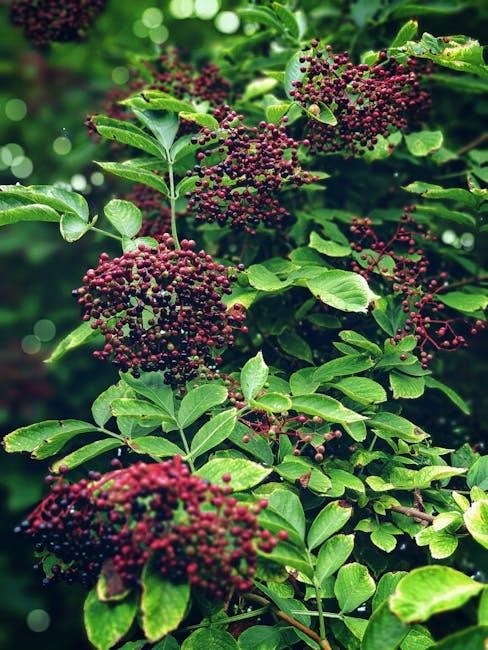
Texas boasts a remarkably diverse flora, offering numerous wild edible plants for those willing to learn responsible foraging practices․ Exploring resources like downloadable PDF guides unlocks a fascinating world of natural sustenance․ These guides, often detailing around 60 species, emphasize accurate plant identification – a crucial skill for safety․
Historically, indigenous populations relied heavily on these plants, and modern foragers can reconnect with this tradition․ Understanding seasonal availability, proper harvesting techniques, and potential look-alikes is paramount․ Peterson Field Guides and publications from Texas A&M AgriLife Extension are invaluable starting points for beginners seeking comprehensive knowledge․
Understanding Plant Identification
Accurate plant identification is non-negotiable when foraging for wild edibles in Texas․ PDF guides, like those referencing Peterson Field Guides, highlight key characteristics – leaf shape, flower structure, stem features – for precise recognition․ Comparing your findings with multiple sources is vital, as variations exist․
Pay close attention to details; subtle differences can distinguish edible plants from toxic look-alikes․ Learning botanical terminology aids in utilizing identification keys effectively․ Remember, relying solely on images can be misleading; consider the plant’s entire context and habitat before consumption․
Essential Safety Precautions
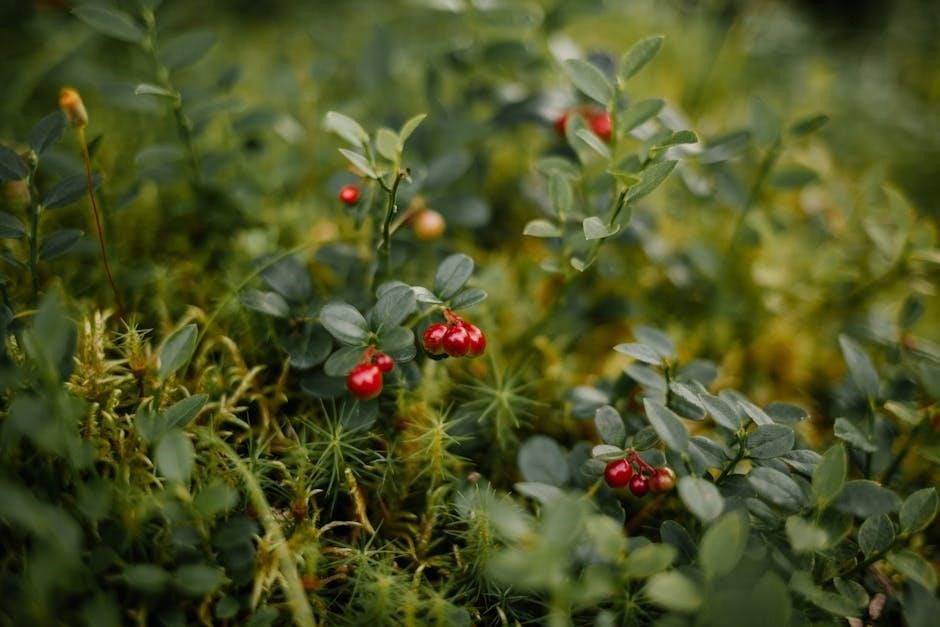
Prioritize safety when foraging! PDF resources, such as TCE publication B-6105 on Toxic Plants of Texas, emphasize the critical need to positively identify every plant before consumption; Never ingest anything you’re unsure about․ Begin with small portions to test for allergic reactions․
Avoid areas treated with pesticides or herbicides, and be mindful of pollution․ Thoroughly wash all foraged plants․ Be aware of potential legal restrictions and ethical foraging practices – only harvest what you need, leaving enough for the plant’s regeneration and wildlife․
Commonly Found Edible Plants in East Texas
East Texas boasts a diverse flora, with several edible species detailed in available PDF guides․ American Beautyberry (Callicarpa americana) offers vibrant berries, while Pawpaw (Asimina triloba) provides a custard-like fruit․ Wild Onion (Allium drummondii) adds flavor to dishes․
Resources like “Edible and Useful Plants of Texas and the Southwest” offer quick identification tips․ Remember to cross-reference with multiple sources and reliable PDFs before consumption, ensuring accurate plant identification for safe foraging practices․
American Beautyberry (Callicarpa americana)
American Beautyberry, detailed in many Texas wild edible plant PDF guides, is a shrub reaching up to 20 feet․ Identification is easy with its striking purple berries․ While technically edible, berries are best cooked into jellies or jams due to their somewhat bland flavor when raw․
PDF resources emphasize caution; consume in moderation․ Historically, Native Americans utilized the berries for various purposes․ Always confirm identification using multiple sources before consumption, as detailed in comprehensive foraging PDFs․
Pawpaw (Asimina triloba)
Pawpaw, often featured in Texas wild edible plant PDF guides, is a unique fruit-bearing tree․ These guides highlight its large, custard-like fruits with a tropical flavor profile․ Identification relies on distinctive leaves and fruit clusters․ PDF resources detail proper harvesting techniques – fruits must be slightly soft to the touch․
Though not as common in Texas as elsewhere, foraging PDFs note its presence in East Texas․ Always verify identification, as unripe pawpaws can cause digestive upset․ Enjoy fresh or use in desserts, as suggested in various PDF recipes․
Wild Onion (Allium drummondii)
Wild Onion, frequently detailed in Texas wild edible plant PDF guides, is easily identified by its onion-like scent when crushed․ These resources emphasize careful differentiation from poisonous look-alikes, a crucial safety point․ PDFs illustrate the plant’s grass-like leaves and small, bulb-shaped base․
Texas foraging PDFs highlight its prevalence, particularly after rainfall․ Use the bulbs and leaves in cooking, similar to cultivated onions․ Always confirm identification using multiple sources before consumption, as detailed in comprehensive PDF guides․
Edible Plants of Central Texas
Central Texas boasts a unique array of edible flora, extensively documented in available PDF guides․ These resources detail plants like Prickly Pear Cactus, Texas Persimmon, and Agarita, providing identification tips and usage instructions․ PDFs emphasize responsible foraging practices within this region․
Many PDFs offer detailed illustrations and descriptions, aiding in accurate plant identification․ They also cover seasonal availability and traditional uses․ Downloadable guides often include recipes and safety precautions specific to Central Texas edible plants, ensuring a safe and rewarding foraging experience․
Prickly Pear Cactus (Opuntia spp․)
PDF guides extensively cover the Prickly Pear Cactus, a staple in Texas foraging․ These resources detail identifying various Opuntia species, emphasizing caution due to glochids․ PDFs explain how to safely harvest pads (nopales) and fruits (tunas) for culinary use․
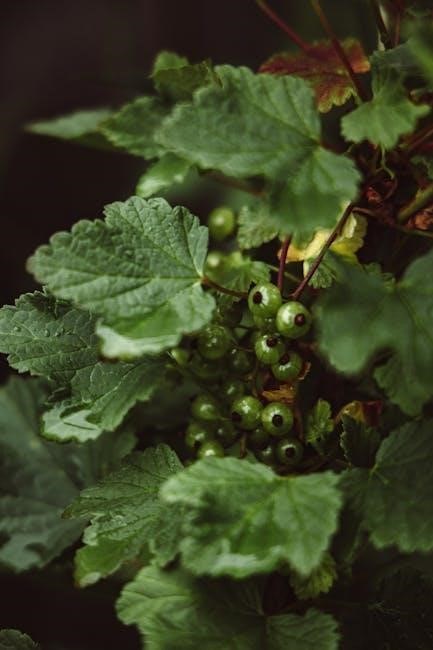
Downloadable guides provide preparation techniques to remove spines, alongside recipes for jams, jellies, and even cactus candy․ PDFs also highlight the cactus’s medicinal properties, traditionally used by indigenous peoples․ Always consult a reliable PDF for accurate identification and safe handling practices․
Texas Persimmon (Diospyros texana)
PDF field guides dedicated to Texas flora often feature the Texas Persimmon․ These resources detail its identification – a small tree with dark, glossy leaves․ PDFs emphasize the fruit’s astringency before ripening, requiring frost or freezing for palatability․ Downloadable guides provide information on harvesting the fruit in late fall and early winter․
PDFs also include traditional uses and recipes, like persimmon pudding․ Accurate identification via PDF images is crucial, as unripe fruit is intensely bitter․ Consult reliable PDF sources for safe foraging and preparation techniques, ensuring a delicious and rewarding experience․
Agarita (Mahonia swaseyi)
PDF guides focusing on East Texas plants frequently highlight Agarita, a shrub reaching up to 20 feet․ These downloadable resources detail its identification – simple, opposite leaves and clusters of yellow flowers․ PDFs emphasize the tart, blueberry-like berries, used for jams and jellies․ They also detail the edible young leaves, though some find them bitter․
PDFs often include warnings about potential look-alikes and proper harvesting techniques․ Reliable PDF sources are vital for confirming identification and ensuring safe consumption․ Downloadable guides provide recipes and information on the plant’s medicinal uses, offering a comprehensive resource․
West Texas Edible Flora
PDF field guides dedicated to Texas’ diverse flora often spotlight West Texas species․ Downloadable resources detail Mesquite, a crucial resource for Native Americans, and Juniper, offering berries used for flavoring․ These PDFs emphasize sustainable harvesting practices in the arid environment․
Comprehensive PDFs provide identification keys, detailing leaf shapes and bark characteristics․ They also cover preparation methods, like grinding Mesquite pods into flour․ Reliable PDF sources from Texas A&M AgriLife Extension are invaluable․ Always cross-reference information from multiple PDF guides for accurate identification․
Mesquite (Prosopis glandulosa)
PDF guides frequently highlight Mesquite as a cornerstone of West Texas foraging․ Downloadable resources detail identifying the tree by its compound leaves and thorny branches․ PDFs explain how Native Americans utilized Mesquite pods, grinding them into flour for bread․
These PDFs also cover the nutritional value of Mesquite, rich in protein and fiber․ Sustainable harvesting techniques are emphasized, focusing on pod collection․ Always consult multiple PDF sources, like those from Texas A&M, to confirm identification and safe consumption practices before utilizing this valuable resource․
Juniper (Juniperus spp․)
PDF field guides dedicated to Texas flora often include detailed sections on various Juniper species․ Downloadable resources illustrate identifying Juniper by its scale-like or needle-like leaves and berry-like cones․ These PDFs explain traditional uses, noting that some Juniper berries are edible, though caution is advised․
PDFs emphasize the importance of correct species identification, as some Juniper varieties are toxic․ They detail how to prepare the berries for consumption, often involving drying and infusion․ Always cross-reference information from multiple PDF sources before consuming any part of a Juniper plant․
Roots and Tubers: Edible Underground Treasures
PDF guides focusing on Texas wild edibles frequently dedicate sections to identifying edible roots and tubers․ Downloadable resources detail how to locate and sustainably harvest these underground treasures․ Information often includes illustrations of Jerusalem Artichokes, a common find․
PDFs emphasize proper identification to avoid toxic look-alikes․ They provide guidance on preparing roots and tubers, often recommending thorough cleaning and cooking․ These guides also highlight responsible foraging practices, ensuring the plant’s continued growth․ Always consult multiple PDFs for confirmation․
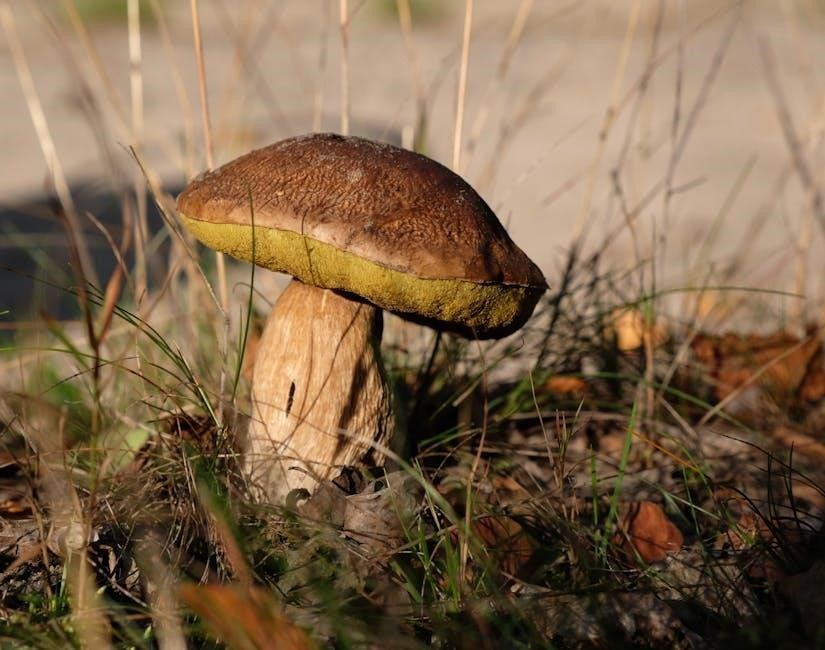
Jerusalem Artichoke (Helianthus tuberosus)
PDF guides on Texas wild edibles often feature the Jerusalem Artichoke, detailing its identification through illustrations of its sunflower-like appearance and tuberous roots․ These resources explain its widespread presence and ease of cultivation․ PDFs emphasize harvesting in late fall or early winter for optimal flavor․
Preparation instructions within these PDFs suggest scrubbing the tubers thoroughly before roasting, boiling, or adding to soups․ They also note the potential for digestive discomfort if consumed in large quantities․ Always cross-reference information across multiple PDFs for accurate identification․
Edible Wild Greens and Leaves
PDF guides dedicated to Texas’ wild edibles frequently showcase a variety of foragable greens․ These resources provide detailed descriptions and images for accurate identification, crucial for avoiding toxic look-alikes․ PDFs often list seasonal availability, noting peak harvest times for optimal flavor and nutritional value․
Commonly featured greens in these PDFs include Dandelion and Lambsquarters, with instructions on preparing them for salads or cooked dishes․ PDFs also emphasize responsible harvesting practices to ensure plant regeneration and sustainability within the ecosystem․
Dandelion (Taraxacum officinale)
PDF guides on Texas wild edibles consistently feature Dandelion, highlighting its complete edibility – roots, leaves, and flowers․ These resources detail how to distinguish it from similar plants, a vital safety step․ PDFs often include recipes utilizing dandelion greens in salads or cooked as a nutritious vegetable․
Information within these PDFs explains the plant’s medicinal properties and traditional uses; Harvesting tips focus on selecting young, tender leaves for less bitterness․ PDFs emphasize sustainable foraging, encouraging leaving some plants to reseed and thrive․
Lambsquarters (Chenopodium album)
PDF guides dedicated to Texas wild edibles frequently showcase Lambsquarters as a highly nutritious and readily available green․ These resources detail its identification, noting the powdery, whitish leaves․ PDFs emphasize its similarity to spinach, offering cooking methods like steaming or sautéing․
Information within these PDFs often includes nutritional breakdowns, highlighting its vitamin and mineral content․ Harvesting advice stresses collecting young leaves before flowering for optimal flavor․ PDFs also caution against consuming plants from contaminated areas, promoting safe foraging practices․
Berries and Fruits for Foraging
PDF guides on Texas wild edibles dedicate significant sections to berries and fruits, emphasizing proper identification due to potential toxic look-alikes․ These resources detail seasonal availability and preferred habitats for species like Elderberry․ PDFs often include detailed photographs aiding in accurate plant recognition․
Harvesting guidelines within these PDFs stress responsible collection, leaving enough fruit for wildlife․ Preparation methods, including jams, jellies, and pies, are frequently outlined․ Cautionary notes regarding poisonous berries are prominent, reinforcing the need for expert confirmation before consumption․
Elderberry (Sambucus canadensis)
PDF guides highlight Elderberry as a valuable Texas foraging find, detailing its shrub-like growth and clusters of dark purple berries․ These resources emphasize that raw berries are toxic and require cooking to neutralize harmful compounds․ PDFs provide specific recipes for syrups, jams, and wines, showcasing its culinary versatility․
Identification keys within these PDFs focus on distinguishing Elderberry from similar-looking, poisonous plants․ Harvesting instructions advise collecting fully ripe berries and avoiding the leaves, stems, and roots․ Safety precautions regarding proper preparation are consistently stressed in these downloadable guides․
Nuts and Seeds: A Protein-Rich Resource
PDF guides dedicated to Texas wild edibles frequently emphasize nuts and seeds as crucial protein sources․ Detailed illustrations aid in identifying Pecan trees (Carya illinoinensis) and understanding their seasonal availability․ These resources outline proper harvesting techniques, ensuring sustainable collection practices․
PDFs also cover seed identification, offering guidance on edible versus inedible varieties․ Preparation methods, like roasting or grinding, are explained to enhance digestibility and flavor․ Safety notes within these guides caution against consuming moldy or damaged nuts, prioritizing food safety for foragers․
Pecan (Carya illinoinensis)
PDF field guides to Texas edible plants prominently feature the Pecan, detailing its identification through leaf shape and nut characteristics․ These resources explain optimal harvesting times – typically autumn – and proper collection methods, emphasizing ethical foraging․ PDFs often include information on pecan nutritional value, highlighting its protein and fat content․
Preparation techniques, such as cracking and roasting, are frequently outlined․ Cautionary notes within these PDFs warn against consuming pecans exhibiting mold or insect damage, ensuring safe consumption․ Detailed range maps within the guides illustrate pecan distribution across Texas․
Resources for Further Identification
Numerous PDF guides and publications enhance Texas wild edible plant identification․ Peterson Field Guides, specifically “Edible Wild Plants of Eastern/Central North America,” are frequently recommended in downloadable resources․ Texas A&M AgriLife Extension publications, often available as PDFs (like TCE publication B-6105 on Toxic Plants of Texas), provide detailed species information․
Online databases and university extension websites offer supplementary PDF checklists and identification keys․ These resources emphasize cross-referencing multiple sources for accurate plant recognition, crucial for safe foraging practices within Texas’ diverse ecosystems․
Peterson Field Guides
Lee Allen Peterson’s “Edible Wild Plants of Eastern/Central North America” is a highly recommended resource, often found as a downloadable PDF or in print․ This guide provides detailed illustrations and descriptions crucial for accurate plant identification in Texas and surrounding regions․ It’s a cornerstone for beginners and experienced foragers alike․
Peterson Field Guides emphasize visual learning, aiding in distinguishing edible species from potentially harmful look-alikes․ Many online resources reference this guide, and supplemental PDF checklists often align with its categorization, making it a valuable tool for safe foraging․
Texas A&M AgriLife Extension Publications
The Texas A&M AgriLife Extension offers valuable resources, including the publication “Toxic Plants of Texas” (TCE publication B-6105), often available as a PDF download․ While focused on toxicity, understanding poisonous plants is vital for safe foraging․ These publications frequently detail plant characteristics and habitats common throughout Texas․
AgriLife Extension’s research-backed information complements field guides, providing regionally specific data․ Searching their online database for “wild edible plants” yields relevant fact sheets and articles, sometimes in PDF format, aiding in responsible identification and consumption․
Legal Considerations and Ethical Foraging
Before foraging, understand Texas property laws; obtain permission for private land access․ Public lands may have restrictions on plant collection – check with managing agencies․ Many PDF guides emphasize responsible harvesting․
Ethical foraging prioritizes plant sustainability․ Never take more than you need, leaving ample resources for wildlife and plant regeneration․ Avoid harvesting endangered or threatened species․ Respect ecosystems, minimizing impact․ Downloadable resources often highlight these principles․ Prioritize accurate plant identification using multiple sources, including PDF field guides, to avoid consuming toxic look-alikes․
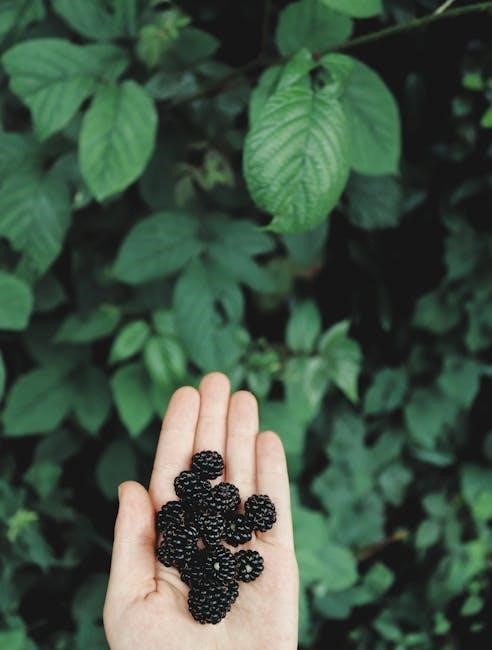
Creating a Texas Wild Edible Plant Field Guide
Compile information from reliable PDF resources like Peterson Field Guides and AgriLife Extension publications․ Include detailed plant descriptions, habitat information, and clear photographs for accurate identification; Categorize plants by region (East, Central, West Texas) for easier navigation․
Highlight key identifying features, potential look-alikes, and safe preparation methods․ A personalized PDF guide should also cover legal considerations and ethical foraging practices․ Consider adding seasonal availability charts and basic recipes․ Regularly update your guide with new findings and improved information, ensuring its continued accuracy and usefulness․
Recipes Using Texas Wild Edible Plants
Explore culinary possibilities using resources found in PDF guides! Prickly pear pads can be grilled or pickled, while mesquite pods create flavorful flour for baking․ Elderberries yield delicious jams and syrups, and pecans enhance both sweet and savory dishes․
Pawpaws offer a unique custard-like fruit perfect for desserts․ Wild onions add zest to various recipes․ Remember to consult reliable PDF sources for safe preparation methods․ Experiment cautiously, starting with small quantities, and always prioritize accurate plant identification before consumption․
Potential Toxic Look-Alikes and How to Avoid Them
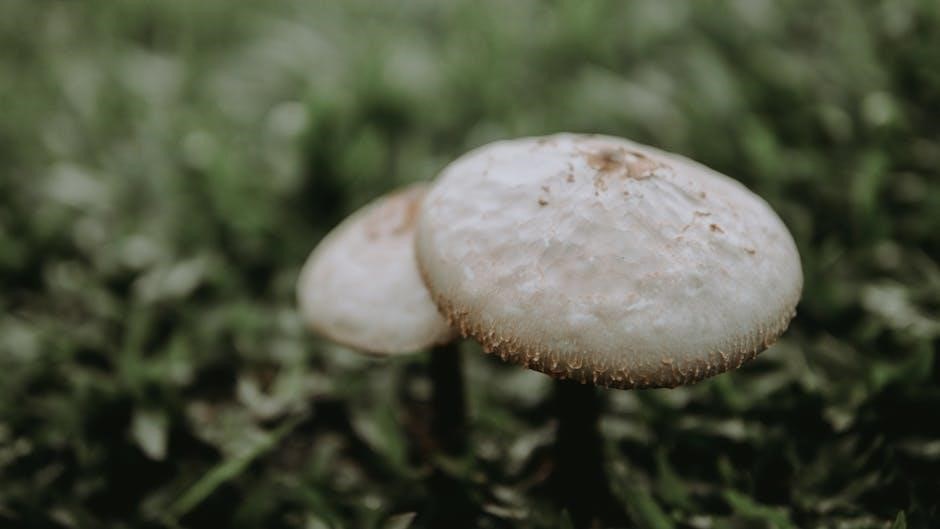
PDF guides emphasize caution! Misidentification can be dangerous․ For example, some parsley-family plants resemble edible ones but are toxic․ Always cross-reference multiple reliable PDF sources and field guides before consuming any wild plant․
Pay close attention to leaf shape, flower structure, and growth habit․ When in doubt, leave it out! Thoroughly research potential look-alikes in your region using detailed PDF resources․ Never rely on a single source for identification․ Prioritize safety and avoid risks associated with consuming unknown plants․