InBios COVID-19 Test Instructions: A Comprehensive Guide
InBios offers rapid and accurate COVID-19 testing solutions, including serological and molecular assays, simplifying detection with easy-to-use kits and clear results․
Understanding the InBios COVID-19 Test
InBios International develops and manufactures a range of diagnostic tests, prominently featuring solutions for COVID-19 detection․ Initially, nucleic acid tests were the primary method, but these required invasive throat swabs and lengthy processing times․ InBios addresses these limitations with innovative approaches, including rapid PCR and serological assays․ Their Smart Detect SARS-CoV-2 rRT-PCR Kit exemplifies this commitment to speed and accuracy․
These tests are designed to identify the presence of the virus or antibodies developed in response to infection․ Crucially, InBios tests aim for simplicity, often requiring minimal manual intervention – some kits automatically draw the necessary blood volume․ The resulting binary readout (one or two lines) provides a straightforward interpretation, facilitating quick decision-making in various settings, from clinical diagnostics to widespread screening initiatives․
Types of InBios COVID-19 Tests Available
InBios International provides a diverse portfolio of COVID-19 tests, catering to varied needs and testing environments․ Key offerings include the Smart Detect SARS-CoV-2 rRT-PCR Kit, a molecular assay for direct virus detection, and various serological tests designed to identify IgG and IgM antibodies․ Other notable tests are the Logix Smart Coronavirus disease 2019 (COVID-19) ePlex, Panther Fusion SARS-CoV-2 assay, and NxTAG CoV Extended Panel․
Furthermore, InBios supports both instrument-based and point-of-care testing solutions․ Newer instrument-based antigen tests (iAg tests) are designed to outperform traditional visually-read tests․ These options range from rapid PCR tests delivering results in under an hour to antibody tests providing insights into past infection and immune response, ensuring comprehensive COVID-19 testing capabilities․
Smart Detect SARS-CoV-2 rRT-PCR Kit: Overview
The InBios Smart Detect SARS-CoV-2 rRT-PCR Kit is a real-time reverse transcription polymerase chain reaction (rRT-PCR) test designed for the qualitative detection of nucleic acid from the SARS-CoV-2 virus․ This molecular assay offers high sensitivity and specificity, making it a reliable tool for diagnosing active COVID-19 infections․ The kit is intended for use by trained laboratory personnel in clinical settings․
It utilizes a streamlined workflow, minimizing hands-on time and reducing the risk of contamination․ Compatible with a range of PCR devices, the Smart Detect kit provides accurate results, aiding in timely clinical decision-making․ The kit’s design focuses on efficient sample processing and reliable amplification, contributing to dependable diagnostic outcomes․
Key Features of InBios COVID-19 Tests
InBios COVID-19 tests are characterized by their rapid turnaround times, delivering results quickly to facilitate prompt clinical responses․ Many tests, like the serological assays, require minimal equipment and are simple to perform, needing only three steps for operation․ The kits include all necessary components, eliminating the need for manual mixing or measuring, ensuring ease of use․
Furthermore, InBios tests demonstrate high accuracy, with notable sensitivity and specificity․ The binary result format – one line for negative, two for positive – provides clear and unambiguous interpretation․ These features contribute to reliable diagnosis and effective patient management during the COVID-19 pandemic, supporting both screening and diagnostic efforts․

Preparing for the Test
Proper preparation involves verifying kit components, ensuring correct storage, and understanding any contraindications before commencing the InBios COVID-19 test procedure․
Required Materials Included in the Kit
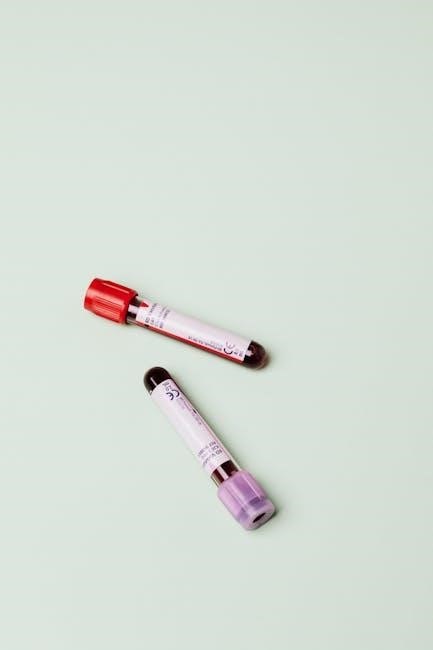
Each InBios COVID-19 test kit is meticulously assembled to provide all necessary components for accurate and reliable results, eliminating the need for sourcing additional materials․ Typically, a kit contains pre-filled testing devices, automatically drawing the correct blood volume – a significant convenience․ This eliminates manual mixing or measuring, simplifying the process considerably․ You’ll find specific components varying based on the test type (e․g․, rRT-PCR vs․ antibody tests)․
Common inclusions are sample collection swabs (nasopharyngeal or nasal, depending on the test), lysis buffer for sample preparation, test cartridges or strips, and a detailed instruction manual․ Some kits, like the Smart Detect SARS-CoV-2 rRT-PCR Kit, require compatible devices for running the test, which may or may not be included․ Always verify the complete contents against the kit’s packaging list before beginning, ensuring nothing is missing or damaged to guarantee optimal performance and valid results․
Ensuring Proper Storage of the Test Kit
Maintaining the integrity of the InBios COVID-19 test kit through proper storage is crucial for accurate results․ Generally, kits should be stored at room temperature, specifically between 2°C to 30°C (36°F to 86°F), unless otherwise specified on the packaging․ Avoid exposure to direct sunlight, extreme temperatures, and humidity, as these conditions can compromise the test’s reagents and performance․
Do not freeze any components of the kit, as freezing can render them ineffective․ Ensure the kit is stored in a dry and secure location, away from potential contaminants․ Always check the expiration date before use; expired kits should not be used; Proper storage not only preserves the test’s reliability but also ensures compliance with regulatory guidelines, contributing to trustworthy diagnostic outcomes․ Refer to the specific kit’s instructions for detailed storage recommendations․
Contraindications and Precautions
While InBios COVID-19 tests are generally safe, certain contraindications and precautions should be observed․ The tests are intended for in vitro diagnostic use only and are not for self-testing without qualified personnel․ Individuals with known allergies to any kit components should avoid using the test․
Proper handling of all specimens is essential to prevent contamination and ensure accurate results․ Use appropriate personal protective equipment (PPE), including gloves and masks, during sample collection and testing․ Avoid contact with skin and eyes․ Discard used materials responsibly, following biohazard waste disposal guidelines․ These tests are designed as an aid to diagnosis and should be interpreted in conjunction with clinical presentation, patient history, and other laboratory findings․
Performing the Test: Step-by-Step Instructions
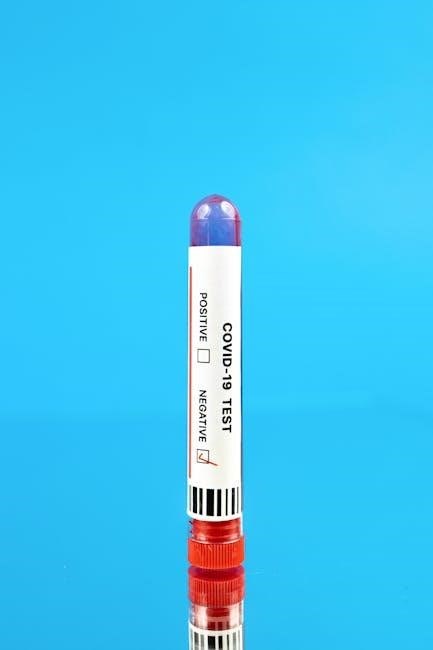
InBios tests utilize a simple, three-step process: sample collection, lysis buffer addition, and running the test on compatible devices for rapid results․
Step 1: Sample Collection – Nasopharyngeal Swab

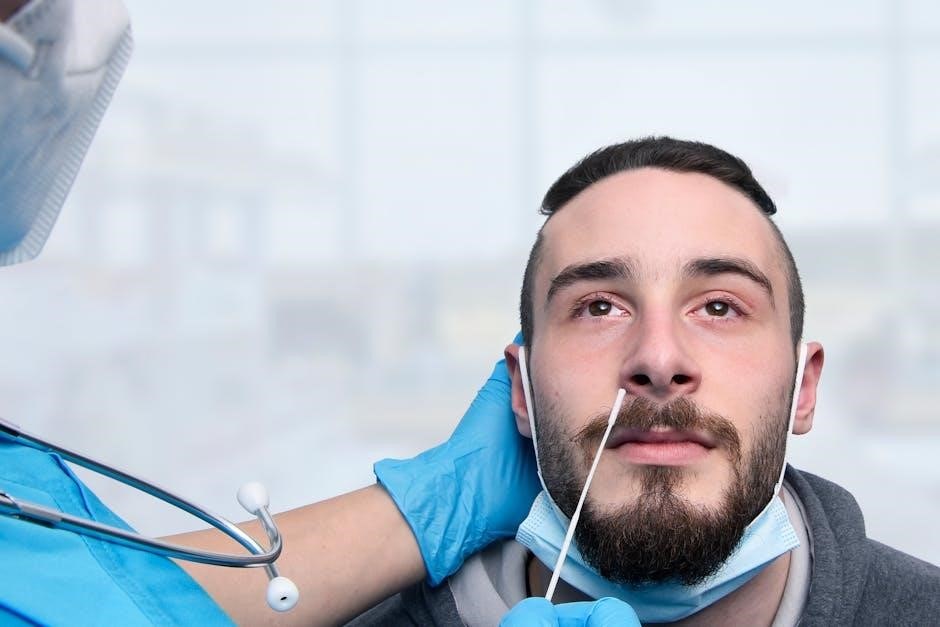
InBios tests, particularly the rRT-PCR kits, often require a nasopharyngeal swab for optimal sample collection․ This involves inserting a sterile swab through the nostril, following the nasal passage until resistance is met, indicating the nasopharynx․ Gently rotate the swab several times to collect sufficient cells․
Proper technique is crucial for accurate results; ensure the swab reaches the nasopharynx and avoid touching other surfaces during collection․ The collected sample is then carefully removed and prepared for analysis, following the kit’s specific instructions․ Early detection methods relied heavily on these types of samples due to their higher viral load compared to throat swabs, which were considered highly infectious․
Always adhere to safety protocols and wear appropriate personal protective equipment (PPE) during the swabbing process to minimize the risk of transmission․
Step 2: Sample Preparation – Lysis Buffer Addition
Following nasopharyngeal swab collection, the InBios test protocol requires careful sample preparation․ This typically involves adding a specific volume of lysis buffer directly to the sample tube containing the swab․ The lysis buffer’s purpose is to release the viral RNA from the collected cells, making it detectable by the subsequent PCR process․
Ensure accurate measurement of the lysis buffer volume, as deviations can affect test accuracy․ After adding the buffer, the sample should be vortexed or mixed thoroughly according to the kit instructions․ Importantly, many InBios kits are designed to eliminate manual mixing or measuring, automating the process for ease of use and reduced error․
This step is critical for ensuring the viral genetic material is properly prepared for amplification and detection․
Step 3: Running the Test on Compatible Devices
The InBios Smart Detect SARS-CoV-2 rRT-PCR Kit, and other InBios tests, are designed for use with specific compatible devices․ These often include real-time PCR instruments commonly found in clinical laboratories․ Carefully consult the kit’s instructions to confirm the approved instrument list․ Proper device calibration and software updates are essential before initiating the test run․
Load the prepared sample into the designated wells or cartridges of the compatible device, following the manufacturer’s guidelines․ Initiate the pre-programmed protocol for the InBios test․ The device will then automatically perform the PCR amplification and detection process․
Monitoring the device during operation is crucial to ensure proper function and timely completion․
Step 4: Interpreting the Results – Line Appearance
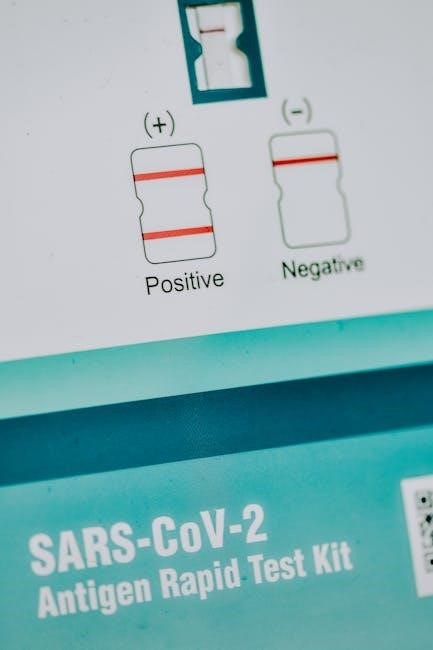
InBios tests, particularly the rapid antibody tests, often utilize a simple line appearance format for result interpretation․ A control line must always appear to validate the test․ If the control line is absent, the test is invalid and should be repeated with a new kit․
A single line appearing at the control position indicates a negative result – no SARS-CoV-2 antibodies or viral RNA were detected․ However, two lines, including both the control line and a test line, signify a positive result, confirming the presence of antibodies or viral RNA․
Carefully read the results within the specified timeframe (typically 20 minutes) as results may change after this period․ Refer to the kit’s instructions for a visual guide to line interpretation․
Understanding the Test Results
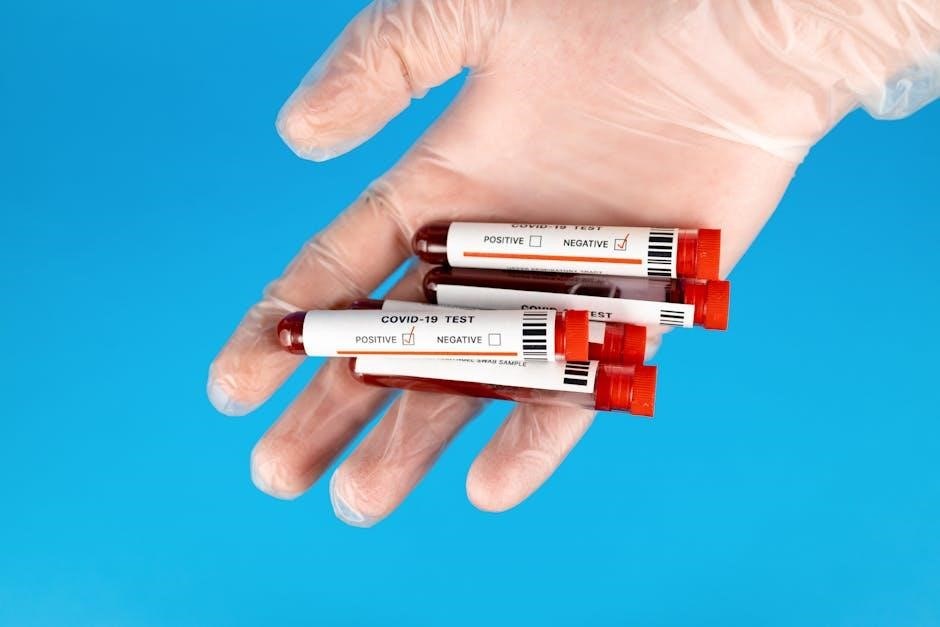
InBios test results, whether positive, negative, or invalid, require careful interpretation, considering potential factors and following recommended guidelines for appropriate action․
Positive Result: What Does It Mean?
A positive result from an InBios COVID-19 test indicates the presence of SARS-CoV-2 viral RNA or antibodies, suggesting a current or recent infection․ It’s crucial to understand that a positive result doesn’t necessarily equate to illness; asymptomatic infections are possible․ Immediate self-isolation is paramount to prevent further transmission․
Contact your healthcare provider promptly to discuss the result, potential symptoms, and appropriate medical guidance․ They may recommend further testing to confirm the diagnosis or assess the severity of the infection․ Public health authorities should also be notified, adhering to local reporting requirements․
Follow your healthcare provider’s instructions regarding quarantine, symptom management, and potential treatment options․ Continue practicing preventative measures, such as mask-wearing and social distancing, even after recovery, to protect others․
Negative Result: What Does It Mean?
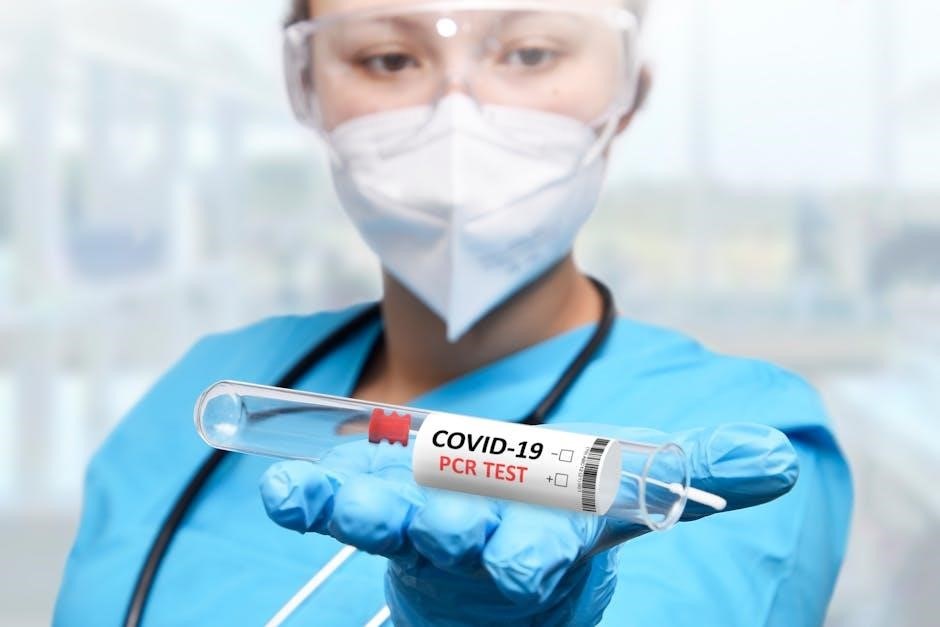
A negative result from an InBios COVID-19 test suggests that SARS-CoV-2 viral RNA or antibodies were not detected at the time of testing․ However, a negative result does not guarantee the absence of infection․ False negatives can occur if the viral load is low, the sample was collected too early or late in the infection, or due to technical limitations of the test․
Continue practicing preventative measures – mask-wearing, social distancing, and frequent handwashing – even with a negative result․ If you experience symptoms consistent with COVID-19, re-testing may be necessary, particularly if exposure is suspected․
Consult your healthcare provider for guidance on appropriate follow-up actions, considering your individual risk factors and exposure history․ A negative result should be interpreted in conjunction with your clinical presentation․
Invalid Result: Troubleshooting and Re-testing
An invalid InBios COVID-19 test result indicates the test failed to function correctly, often displayed by the absence of a control line or other deviations from expected results․ This could stem from insufficient sample volume, improper procedure execution, damaged test components, or device malfunction․
Do not interpret an invalid result as positive or negative․ Carefully review the test instructions to ensure all steps were followed precisely․ If possible, repeat the test with a new kit, paying close attention to sample collection and processing․
If the repeat test also yields an invalid result, contact your healthcare provider or InBios technical support for assistance․ Do not rely on inconclusive results; seek professional guidance for accurate diagnosis and appropriate care․
Accuracy and Limitations of the Test
InBios tests demonstrate high sensitivity and specificity, but false positives/negatives can occur; viral mutations may impact performance, requiring ongoing evaluation․
Sensitivity and Specificity of InBios Tests
InBios’ COVID-19 tests, particularly the Smart Detect SARS-CoV-2 rRT-PCR Kit, are designed for high analytical sensitivity and specificity in detecting the virus․ Sensitivity refers to the test’s ability to correctly identify positive cases, minimizing false negatives, while specificity indicates its capacity to accurately identify negative results, reducing false positives․
While specific values can vary depending on the test type and study conditions, InBios strives to meet or exceed performance benchmarks established by regulatory bodies like the FDA․ The rRT-PCR kits generally exhibit very high sensitivity, capable of detecting even low viral loads․ However, it’s crucial to remember that no diagnostic test is perfect․
Factors influencing test performance include the timing of sample collection relative to infection, the quality of the sample itself, and the presence of interfering substances․ Understanding these parameters is vital for interpreting results accurately and making informed clinical decisions․ Ongoing monitoring and validation are essential to maintain optimal performance․
Potential for False Positives and False Negatives
Despite the high accuracy of InBios COVID-19 tests, the possibility of false positive and false negative results exists․ False negatives can occur if the viral load is very low, particularly early in infection or during the late stages when viral shedding decreases․ Improper sample collection, handling, or storage can also contribute to inaccurate negative results․
False positives, though less common, may arise from laboratory contamination or cross-reactivity with other pathogens․ It’s important to note that the FDA continually monitors and addresses potential issues related to test performance, including the impact of emerging viral variants․
Clinicians should interpret test results in conjunction with clinical presentation, patient history, and epidemiological data․ Repeat testing or confirmation with a different assay may be considered in cases of discordant results or when clinical suspicion remains high, ensuring appropriate patient management․
Impact of Viral Mutations on Test Performance
The emergence of SARS-CoV-2 variants raises concerns about their potential impact on the performance of diagnostic tests, including those offered by InBios․ Viral mutations can alter the virus’s genetic material, potentially affecting the ability of tests to accurately detect the virus․
The FDA actively monitors these changes and requires manufacturers to evaluate their tests against circulating variants․ InBios, like other diagnostic companies, continuously assesses its assays to ensure continued accuracy and reliability․ Updates to authorized labeling are implemented as needed to reflect the latest understanding of variant impacts․
While current InBios tests demonstrate robust performance against known variants, ongoing surveillance is crucial․ The FDA and test developers collaborate to quickly address potential risks and share findings regarding SARS-CoV-2 viral mutations and their effect on testing․
Regulatory Information and Updates
InBios’s COVID-19 tests received FDA Emergency Use Authorization (EUA), requiring ongoing compliance and labeling updates based on variant data․
FDA Emergency Use Authorization (EUA)
InBios’s COVID-19 tests, like the Smart Detect SARS-CoV-2 rRT-PCR Kit, operate under FDA Emergency Use Authorization (EUA)․ This mechanism facilitates the availability of critical diagnostics during public health emergencies, bypassing typical approval timelines․ The EUA isn’t full approval, but allows use based on available evidence demonstrating safety and effectiveness․
InBios, as the EUA holder, has specific obligations, including ongoing monitoring for performance changes, particularly concerning emerging SARS-CoV-2 variants․ They must promptly report any significant alterations in test accuracy or reliability to the FDA․ Furthermore, the FDA requires updates to authorized labeling to reflect new scientific understanding and address potential risks, like those identified regarding viral mutations impacting test performance․
The EUA holder must submit updated labeling within a specified timeframe, ensuring healthcare providers and patients have the most current information․ This dynamic process allows for rapid adaptation to the evolving pandemic landscape and maintains the integrity of COVID-19 testing․
Labeling Updates and Compliance
InBios is committed to maintaining full compliance with FDA regulations regarding labeling for its COVID-19 tests․ Following EUA revisions, updates to authorized labeling are crucial for accurate test administration and result interpretation․ These updates reflect the latest scientific understanding of SARS-CoV-2, including the impact of emerging viral mutations on test performance․
InBios must submit revised labeling to the FDA within three months of receiving a revision letter, ensuring healthcare professionals have access to the most current instructions․ Labeling includes detailed information on intended use, procedures, result interpretation, limitations, and potential interferences․
Adherence to updated labeling is paramount for maintaining test accuracy and reliability․ InBios provides these updates through various channels, including its official website and direct communication with testing laboratories, guaranteeing widespread dissemination of critical information and supporting responsible COVID-19 testing practices․
SARS-CoV-2 Viral Mutations: Impact on Testing
The emergence of SARS-CoV-2 variants necessitates continuous evaluation of test performance․ InBios actively monitors viral mutations and their potential impact on the accuracy of its COVID-19 tests․ Mutations can affect the binding of primers and probes used in rRT-PCR assays, potentially leading to reduced sensitivity or false negative results․
The FDA and InBios collaborate to quickly address identified risks associated with new variants․ This includes assessing the performance of tests against circulating strains and updating labeling accordingly․ Regular monitoring and data analysis are crucial for understanding the extent to which mutations influence test reliability․
InBios is dedicated to providing healthcare professionals with the latest information on variant-specific test performance, ensuring informed decision-making and maintaining confidence in COVID-19 diagnostic capabilities․ Proactive adaptation to evolving viral landscapes is essential for effective pandemic response․
Additional Resources
InBios’ website, the FDA, and CDC provide comprehensive information regarding COVID-19 testing guidelines, updates, and further assistance․
InBios International Official Website
InBios International’s official website serves as a primary resource for detailed product information, including the Smart Detect SARS-CoV-2 rRT-PCR Kit and other COVID-19 testing solutions․ Users can access comprehensive documentation, such as package inserts, frequently asked questions (FAQs), and technical support materials․ The website provides up-to-date information on FDA Emergency Use Authorizations (EUAs) and labeling updates related to their tests․
Furthermore, the site offers resources for healthcare professionals, including training materials and protocols for proper test administration and result interpretation․ Customers can find contact information for direct support and inquiries regarding product availability and ordering․ Regularly checking the InBios website ensures access to the latest guidelines and information concerning SARS-CoV-2 viral mutations and their potential impact on test performance, maintaining accurate and reliable testing practices․
FDA Information on COVID-19 Testing
The FDA’s website provides crucial information regarding COVID-19 testing, including details on Emergency Use Authorizations (EUAs) granted to manufacturers like InBios International for their Smart Detect and other tests․ It offers a comprehensive list of authorized tests, along with performance characteristics, intended use, and limitations․ Users can find guidance documents outlining requirements for test developers, including labeling updates and reporting of potential issues related to SARS-CoV-2 viral mutations․
The FDA also publishes safety communications and recalls related to COVID-19 tests, ensuring healthcare professionals and the public are informed about potential risks․ Accessing this information is vital for understanding the regulatory landscape and ensuring the use of reliable and accurate testing methods, contributing to informed public health decisions and effective pandemic response strategies․
CDC Guidelines on COVID-19 Testing
The Centers for Disease Control and Prevention (CDC) offers detailed guidelines on COVID-19 testing strategies, encompassing recommendations for various populations and settings․ These guidelines outline when to get tested, the types of tests available – including molecular tests like InBios’ Smart Detect – and how to interpret results․ The CDC emphasizes the importance of testing as part of a comprehensive public health approach to control the spread of the virus․
Furthermore, the CDC provides resources on specimen collection procedures, laboratory best practices, and reporting requirements․ They regularly update their guidance to reflect the latest scientific understanding of SARS-CoV-2 and emerging variants, ensuring healthcare providers have access to the most current information for accurate diagnosis and effective patient management․